makeup ad generator
Makeup ad generator
Upload one makeup product photo and generate ad angles built for color cosmetics: shade-range and shade-match, swatch-on-skin, the full-face look, wear-test proof, finish callouts, and viral-look social proof.
Free makeup ad previews are full-quality and view-only. Unlock the full pack only when a swatch, look, or wear-test concept is worth exporting as high-res files, no-watermark assets, ZIP download, and Meta sizes.
Examples
Makeup ad generator examples
For makeup, the buyer's first question is almost always "will this shade and finish work on me." The examples below are ad-pack patterns built around that question — shade, swatch, look, and wear — not a stock gallery of pretty bottles.
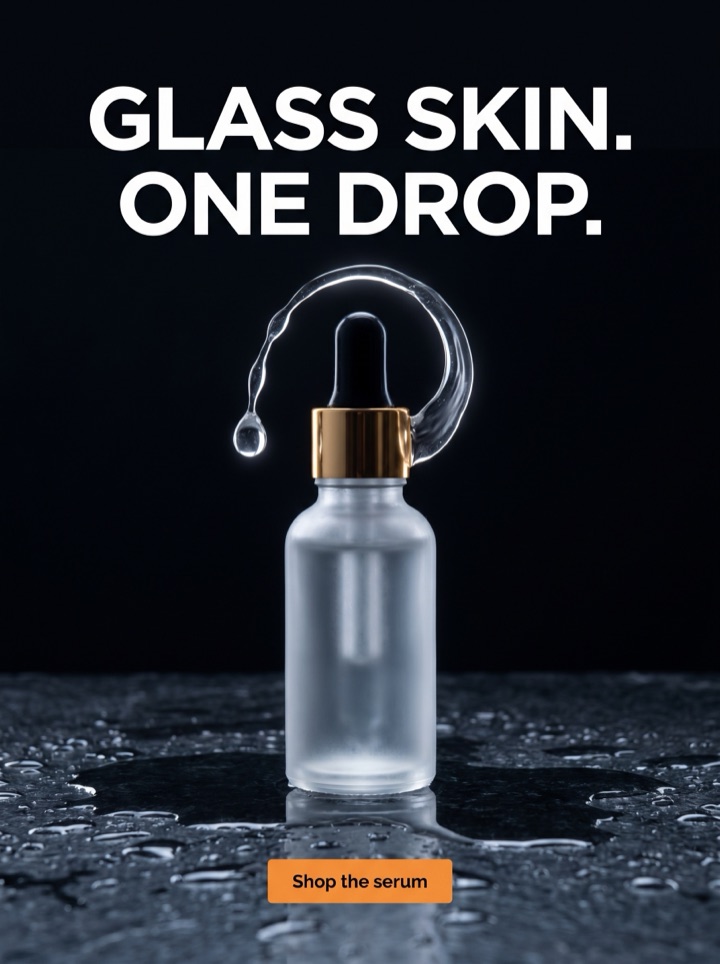

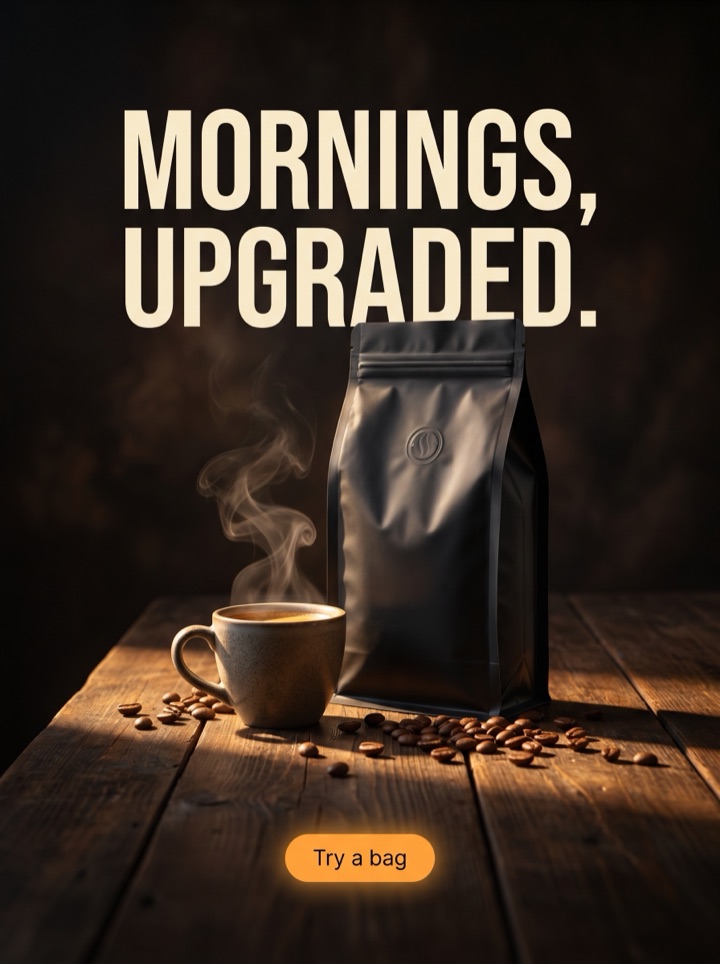
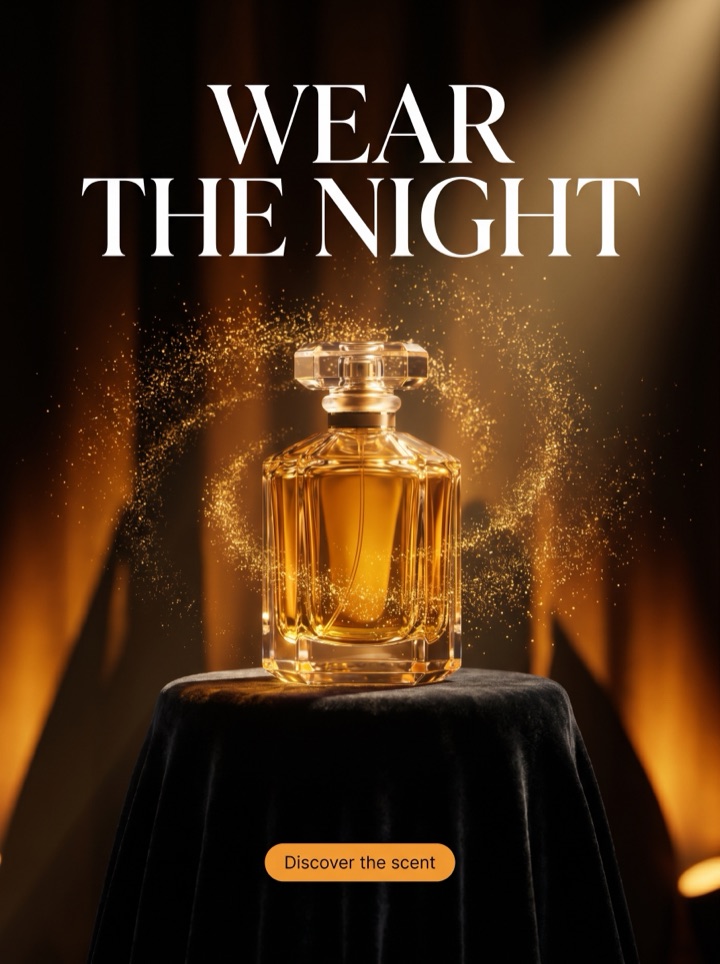
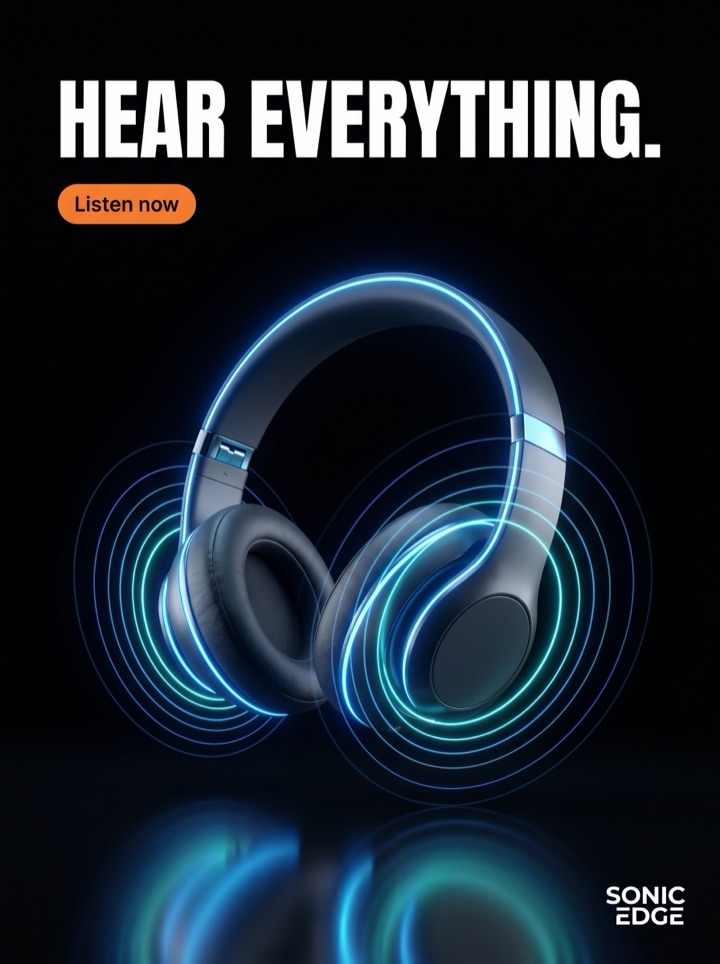
Campaign brief
Makeup Ad Generator campaign brief
A useful makeup ad page should leave you with a better creative decision than you had before arriving. Use these notes to turn one product photo into a shade-, swatch-, or wear-led test you can actually run.
Best use
The makeup generator earns its keep when the buyer's decision is mostly about color and finish — a foundation, lipstick, blush, or palette — and you need the shade story on screen fast, not buried under lifestyle mood.
Asset to upload
Upload a sharp, true-to-color product shot. If you have swatch photography or an arm/skin swatch, keep it handy — accurate color is the single thing a makeup buyer will not forgive you for faking.
First test
Run the shade-range angle against the single hero-shade angle. Cold audiences often need "there's a match for me"; warm audiences who already know the line respond to one striking shade in close crop.
Format choice
Export 1:1 square and 4:5 feed first. A swatch strip or split wear-test needs to stay legible at phone width, so confirm the smallest shade label is still readable before you add story crops.
Copy direction
Use "Find your shade" when match is the hook and "Shop the look" when a finished face is the hook. Save "Shop now" for warm retargeting where the buyer already knows the formula.
Human review
Check the finish word. If the ad says dewy but the formula is matte, the swatch will look wrong in feed and the return rate will tell on you. The claim has to match what the product actually does.
How it works
Build a makeup ad around shade, look, or wear — a real buying reason.
1
Start with true color
Pick the product shot where the shade reads accurately. For color cosmetics the photo is the proof, so a slightly-off swatch will undo the strongest headline.
2
Pick the makeup angle
Choose what sells this product: full shade range, swatch-on-skin, the finished look, a wear-test claim, a finish callout, or viral-look social proof.
3
Preview the pack
Review view-only previews and keep the two that show genuinely different reasons to buy — say match versus longevity — not the same shade with a new line of copy.
4
Export what you can test
Unlock high-res files once the shade labels and claim stay legible at feed and story size, so the ad survives the crop into Meta placements.
Examples
Makeup ad generator examples
Makeup ads live or die on shade match and finish. These are the angles that actually move color cosmetics in paid social, not generic ecommerce templates.
Field notes
Makeup Ad Generator field notes
These notes are specific to selling color cosmetics; they are the human review layer that keeps a makeup ad from looking like every other beauty template in feed.
Creative review
- Within the first second the shopper should be able to read the shade and guess whether it suits them. Shade match beats brand mood as the opening move for most makeup buyers.
- Make the swatch the hero. A textured marble background or a moody gradient can frame the product, but the moment the décor competes with the color payoff, the ad stops selling.
- Run one match-led version (range or undertone) against one wear-led version (12-hour, transfer-proof, mask-proof). Which wins usually tells you whether the audience is discovering the line or already loyal to it.
- Keep the safe starting layout: product or swatch first, shade or finish hook second, CTA third. Push price up only for a promotional drop or kit, not for a hero-shade ad.
Placement review
- Check every shade name at phone width before export. A swatch strip that reads on desktop often turns into unlabeled smears in feed, and an unlabeled swatch is worthless for a makeup buyer.
- Build the first test with contrast: one clean editorial look, one swatch-grid match ad, one wear-test with a before-and-after panel. That spread tells you what the audience actually buys on.
- Do not let the ad claim a finish or wear time the formula cannot hold. "Transfer-proof" on a balmy formula reads great in the ad and terrible in the reviews the moment it ships.
Export review
- Unlock the paid pack once at least two previews show genuinely different buying reasons — match versus longevity, look versus drop — rather than one swatch with three headlines.
- Use the product's real assets as proof: pan count, shade count, true swatch, applicator shape, finish. Those beat a generic "bestseller" badge for a makeup shopper who is evaluating color.
- The final export should be reassuringly boring: shade legible, finish honest, CTA obvious, and no motion or UGC format shown as live when it is still on the roadmap.
Sizes and exports
Sizes and exports for makeup ads
For makeup ads the crop should protect the swatch and the shade label. Static posters are available first; display and HTML5 exports stay clearly labeled as agency or roadmap workflows until enabled.
1:1 square
Best for a single hero shade or a tight swatch crop where the product, finish word, and CTA need equal weight.
4:5 feed
The workhorse for a vertical shade-range strip or a full-face look — more height for the swatch ladder while still living in feed.
9:16 story/reels
Full-screen mobile for a wear-test before-and-after or a look reveal, with room to stack the shade name above and the CTA below.
Facebook feed
Use the 1.91:1 link crop for retargeting a known buyer to a specific shade or kit, where the swatch sits beside the offer rather than above it.
A makeup founder usually knows their next decision is concrete: which shade to lead with, whether to test match or wear, which look to style, and which kit to push. Product AdKit centers that color-cosmetics workflow — upload, pick the angle, preview, export — instead of dropping you into a generic design surface and a million empty layers.
Copy examples
Hooks, CTAs, and mistakes for makeup ads.
Headline hooks
- There's a shade in here for you. Probably more than one.
- Swatched on real skin, not a screen.
- One palette. A whole look, start to finish.
- Still on at 11pm. Coffee, lunch, and a double shift later.
- Matte that doesn't go flat. Dewy that doesn't slide.
- The shade your feed won't stop talking about.
- Find your undertone before you find your match.
- Vegan, cruelty-free, and it actually performs.
CTA examples
- Find your shade
- Shop the look
- See it swatched
- Shop the palette
- Match me
Common mistakes
- Color-grading the photo until the swatch no longer matches what ships — the reviews and returns will expose it fast.
- Leading with brand mood and lifestyle before the buyer can see whether any shade is their match.
- Claiming a finish or wear time (matte, dewy, transfer-proof, 12-hour) the formula can't actually hold.
- Showing one or two shades when the real selling point is an inclusive range — buyers scan for themselves first.
- Putting unreadable shade names on a swatch strip that collapses at phone width in feed.
Examples
Makeup ad generator examples
Run this quick human pass on every makeup preview before you spend on the export or hand it to a media buyer.
1
Does the swatch on screen honestly match the shade the customer will receive?
2
Can a cold shopper tell within a second whether there's a shade for their skin tone?
3
Does the finish word — matte, satin, dewy, transfer-proof — match what the formula actually does?
4
Are the shade names still legible after the ad is cropped into feed and story sizes?
5
Do your two strongest previews show different buying reasons — match versus wear — not the same swatch twice?
FAQ
Makeup ad generator questions
How do I show a wide shade range in a makeup ad?
Lead with a swatch strip or shade grid so the buyer can scan for their match in the first second. Upload a clean product photo, then generate a shade-range angle and a single hero-shade angle, and test which one a cold audience clicks. The shade story is usually the strongest makeup hook because it answers 'is this made for me' before price.
Can I edit the shade names, finish, and offer on a makeup ad?
You set them before you generate. The headline, shade or finish callout (matte, satin, dewy), claim, CTA, and layout are baked in from the direction you give, so use the exact wording on your PDP and regenerate if anything drifts — never promise a finish the product page does not back up.
What makeup ad angles work best on Instagram and TikTok-style placements?
For makeup, the swatch-on-skin, full-face look, and wear-test (transfer-proof, 12-hour, smudge test) angles tend to read well in feed and 9:16 placements. Product AdKit ships Meta-ready static posters first in square, feed, story, and reels-style crops; motion and UGC formats are roadmap, not live.
Can I export a makeup ad without a watermark?
Free makeup ad previews are full-quality and view-only. Paid packs unlock high-res, no-watermark exports and a ZIP download, so you only pay once a swatch, look, or wear-test concept is actually worth running.
Related tools