product launch ad generator
Product Launch ad generator
Turn a product photo into launch-day ad variations that announce a new arrival, build anticipation, and give Facebook and Instagram a clean first impression to test.
Free launch-ad previews are full-quality and view-only. Unlock the full pack only once the announcement reads clearly and the drop is worth exporting as high-res files, no-watermark assets, ZIP download, and Meta sizes.
Examples
Product Launch ad generator examples
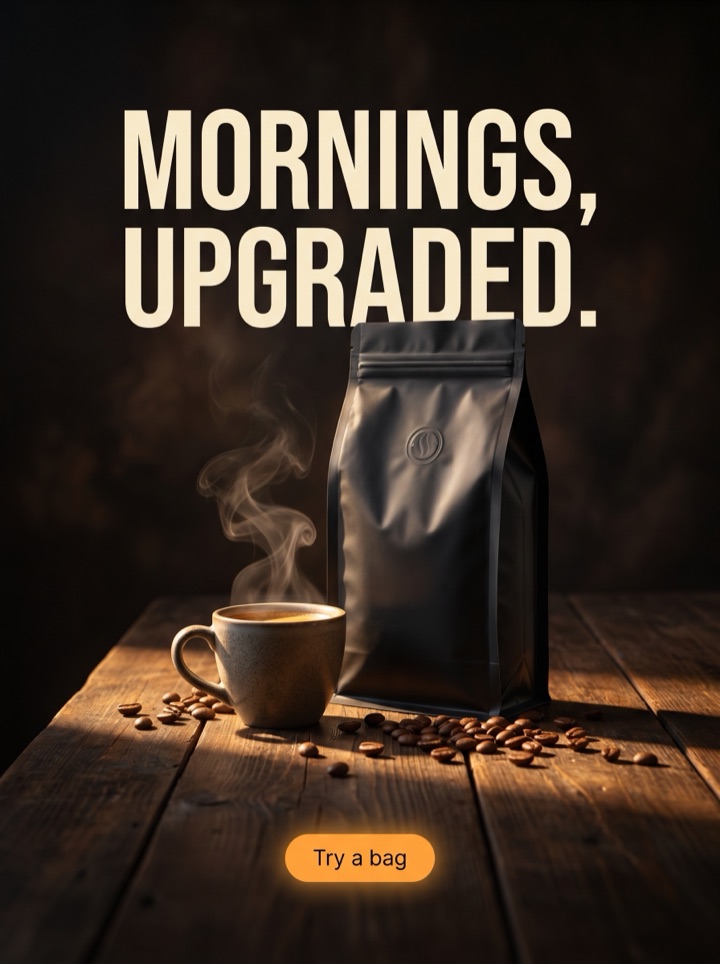
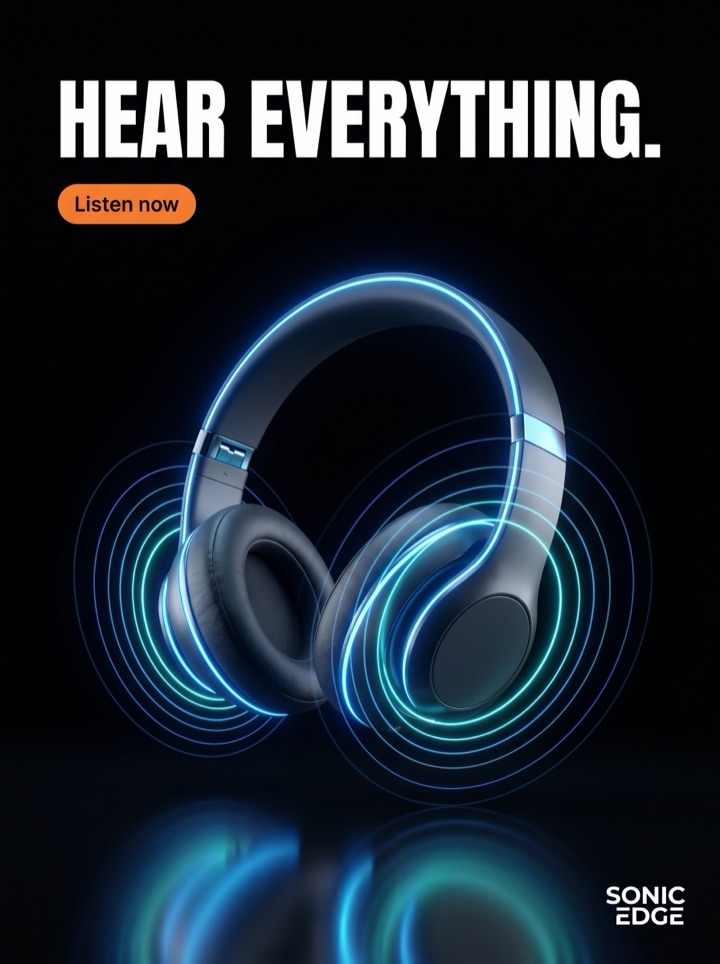
The launch angle is built on one signal: this is new. Each example below carries that signal differently — a teaser, a launch-day hero, a first-look detail shot — so the same product reads as an announcement rather than an evergreen catalog post.




Campaign brief
The launch angle, briefed
A launch ad has a job no other angle has: it has to make a product feel new and worth looking at right now. These notes are about timing the announcement and building the creative around novelty, not discount.
Best moment
The launch angle works in a narrow window — the weeks around a drop, a restock of something people waited for, or a new variant of a product the audience already knows. Outside that window, novelty fades and a different angle usually performs better.
Photo to upload
Use a clean, current shot of the new product with room for an announcement line and a badge. If it is a new colorway or version, a frame that makes the change obvious does more work than a generic hero crop.
First test
Run a teaser version against a launch-day version. Teaser leads with anticipation and a Coming soon cue; launch-day flips to Now available. Keep the product and crop identical so you learn which framing earns the click.
Offer or no offer
Launches rarely need a discount — the news is the hook. Only add an early-bird or launch-week incentive if the category needs a nudge, and keep it secondary to the announcement itself.
Copy direction
Lead with the new fact, then one reason it matters. Shop the launch fits when the product is ready to buy; Get early access or Join the waitlist fits a teaser flight before doors open.
Human review
Ask whether the ad would still feel like an announcement a month from now. If New could be quietly dropped and nothing changes, the launch framing is not actually doing any work.
How it works
Build a launch ad around the announcement, not the discount.
1
Pick the launch moment
Decide which beat you are advertising — teaser, launch day, or a new variant of an existing product — because that beat sets the headline, the badge, and the CTA.
2
Lead with what's new
Generate variations that put the new-arrival signal first: a New or Just dropped cue, the product as hero, and one line on why it exists. The novelty is the hook.
3
Preview the launch pack
Review view-only previews and check that each one still reads as an announcement at a glance before paying for files — regenerate any that don't.
4
Export for launch day
Unlock high-res files once the announcement is unmistakable, so the pack is ready to go live in Meta the moment the drop opens.
Examples
Product launch ad examples
A launch is a sequence, not a single ad. These are the framings the generator covers so you can map a whole flight from first tease to launch day, all from one product photo.
Field notes
Field notes for running the launch angle
These are the things that separate a launch ad that feels like an event from one that just says New on a catalog photo. They are specific to the announcement moment.
Creative review
- The new-arrival signal should be visible before any benefit copy. If a shopper has to read the body line to learn this is a launch, the angle is buried.
- Name the new thing plainly. Meet [product] or Introducing [product] beats a clever line that hides what just dropped.
- Decide whether the audience already knows your brand. A first-look ad to cold traffic needs more context; a launch to warm followers can lean entirely on the New cue.
- Keep the badge honest. Reserve Just dropped for the actual launch window — leaving it on for months trains your audience to ignore it.
Placement review
- Plan the flight, not one ad. A teaser with a notify CTA, a launch-day hero, and a second-wave reminder do different jobs and should look like a set.
- When the teaser runs, point the CTA at a waitlist or product page that can actually capture intent — a Coming soon ad with nowhere to go wastes the build-up.
- On launch day, swap the teaser cue for Now available and move the CTA to Shop the launch the moment the product is buyable. A live ad still saying Coming soon kills trust fast.
Export review
- Unlock a paid launch pack once at least two previews show genuinely different framings of the news — a teaser and a launch-day hero — not the same poster with the word New swapped in.
- If the product has a visible upgrade, a new finish, or fresh packaging, let that detail carry the launch instead of relying on a generic badge.
- Before export, confirm the announcement reads on a phone in feed and that nothing roadmap-only — video, motion, or HTML5 — is being treated as if it ships today.
Sizes and exports
Sizes and exports for launch ads
A launch usually needs to be everywhere at once on drop day, so the same announcement should hold up across placements. Static posters are available first; display and HTML5 exports stay clearly labeled as agency or roadmap workflows until enabled.
1:1 square
Use 1:1 square as the workhorse launch unit — enough room for a New cue, the hero product, and a Shop the launch CTA without crowding.
4:5 feed
Use 4:5 feed when you want the launch announcement to claim more vertical space in the feed and push the product larger on the first scroll.
9:16 story/reels
Use 9:16 story/reels for the launch teaser and day-of takeover, where a full-screen Now available banner over the product makes the drop feel like an event.
Facebook feed
Use the Facebook feed crop to carry the same launch creative to a slightly older, desktop-heavy audience without rewriting the announcement.
A launch has a deadline. The day the product goes live, you need creative that announces it across feed, story, and reels without a design sprint. Product AdKit turns one product photo into a launch flight — teaser, launch day, and reminder — so the announcement is built before the inventory page is.
Copy examples
Hooks, CTAs, and mistakes for launch ads.
Headline hooks
- It's here. Meet [product].
- Just dropped: [product].
- The wait is over — [product] is live.
- New from [brand]. See it first.
- Coming [date]. Be first in line.
- Introducing [product] — built for [reason].
- Now available: the [product] you asked for.
- A new [category] just landed.
CTA examples
- Shop the launch
- See what's new
- Get early access
- Join the waitlist
- Notify me
Common mistakes
- Saying New on a stock catalog photo instead of building the announcement into the layout.
- Leaning on a discount when the launch itself is the news — the offer buries the novelty.
- Running a Coming soon teaser that points nowhere, with no waitlist or notify step to capture the intent.
- Forgetting to flip the teaser to Now available on launch day, so live traffic hits a Coming soon ad.
- Leaving Just dropped running for months until the audience stops believing anything is actually new.
Examples
Product launch ad examples
Run this before a launch goes live. It is the human pass that keeps an announcement from reading like an ordinary product post.
1
Is the new-arrival signal visible in the first second, before any benefit copy?
2
Does the CTA match the moment — notify or waitlist for a teaser, Shop the launch once it's buyable?
3
If a discount appears, does it stay secondary to the announcement rather than becoming the headline?
4
Do you have a teaser and a launch-day version, with a plan to swap one for the other on time?
5
Would the New cue still be true and honest a week into the flight, or is it already going stale?
FAQ
Product Launch ad generator questions
What makes a product launch ad different from a regular product ad?
A launch ad sells novelty, not just the product. The creative leads with a signal that this is new or just dropped, so the hook, badge, and first line carry the announcement. Product AdKit generates that launch framing as a layout, with the new-arrival cue, headline, and CTA in place rather than a single line pasted on a photo.
Can I edit the launch headline, date, and new-arrival badge?
You set them up front. The launch headline, the New, Just dropped, or Now available cue, the launch date or window, the CTA, and the layout are all baked in from the direction you give before generating — regenerate if your drop moves, so the ad matches the exact moment.
How do I run a launch ad without an offer or discount?
Launch ads usually do not need a discount. Lead with the new thing itself, the reason it exists, and a low-friction CTA like Shop the launch or See what's new. Save promo framing for a later flight once the launch novelty has cooled off.
Should I have a teaser version and a live version of the launch ad?
Often, yes. A pre-launch teaser builds anticipation with a Coming soon cue and a waitlist or notify CTA, while the launch-day version flips to Now available with a Shop the launch CTA. Generate both from the same product photo so the look stays consistent across the flight.
Related tools