AI product ad generator
AI product ad generator
Upload one product photo and get a full ad kit back: a spread of distinct angles — launch, flash sale, proof, premium, bundle — each with its own hook, CTA, layout, and Meta-ready size. One upload, several reasons to click, no blank canvas.
Free product ad creative previews are full-quality and view-only. Unlock the full pack only when the ads are worth exporting as high-res files, no-watermark assets, ZIP download, and Meta sizes.
Examples
AI product ad generator examples
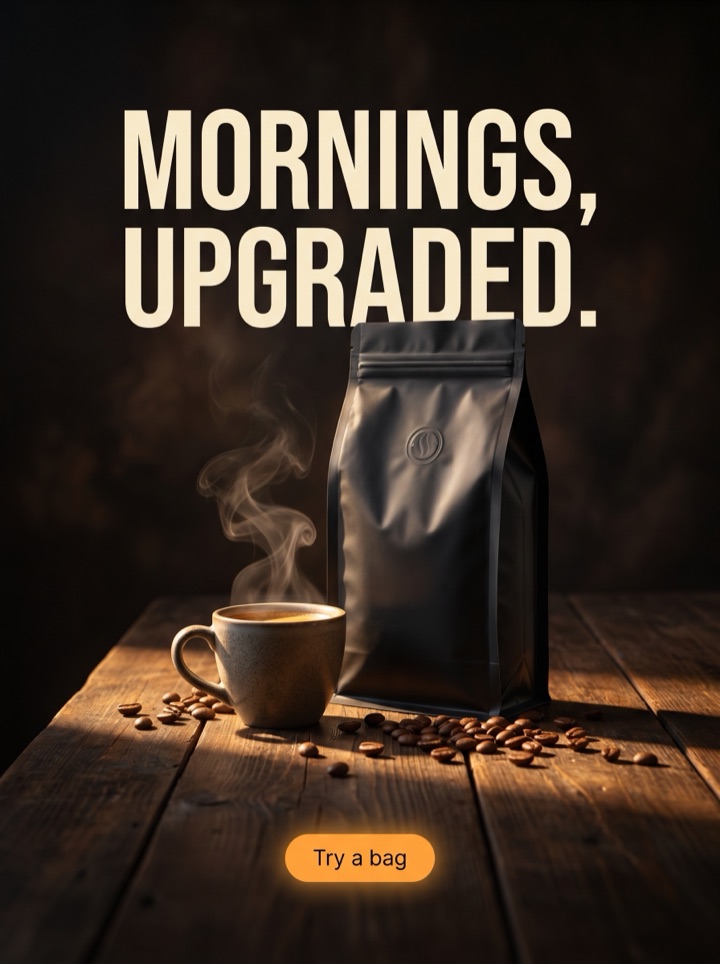
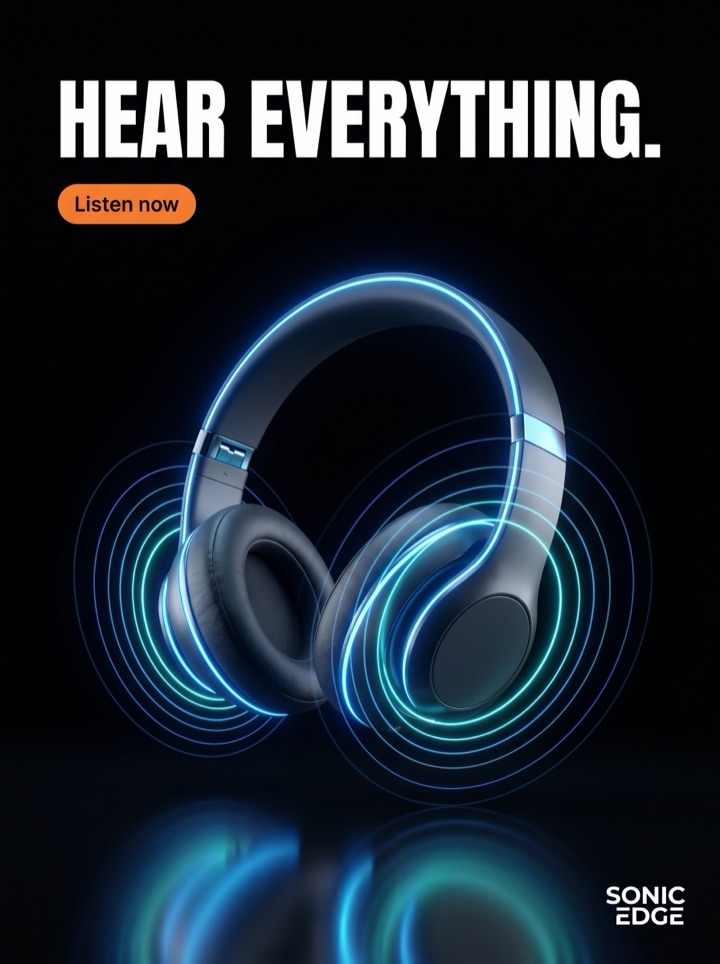
Each example below is a different angle the generator drafts from the same single photo — not the same poster restyled. That spread is the whole reason to use a generator instead of a design canvas: you see six ways to sell the product side by side, then run the two that argue best, instead of guessing one layout in the dark.




Campaign brief
AI product ad generator campaign brief
A generator is most useful when you don't yet know which angle wins. Treat this page as the brief for a first creative test: upload once, let it draft several angles, then ship the two that disagree the most and let the data settle it.
Best use
Reach for the generator when you have a product but no settled ad direction — when you'd otherwise stare at a blank canvas. It's strongest at the start of a test, turning one photo into a spread of angles you can compare.
Asset to upload
One clean, well-lit product shot with breathing room around the subject. The more honest detail the photo shows — texture, scale, packaging — the more the generator can lean on real proof instead of generic badges.
First test
Don't ship all six angles. Pick the two that argue differently — say flash sale against premium — keep the crop and offer steady, and let those compete head to head. One clear winner beats six muddy maybes.
Format choice
Export 1:1 square and 4:5 feed first; they carry most of the early spend. Add 9:16 story when the layout still reads top to bottom. Treat display and HTML5 as later steps, not the opening move.
Copy direction
Use Generate free preview to see the angles before committing. Use Unlock the pack only once two previews show a genuinely different reason to buy — that's the signal the test is worth running.
Human review
The generator drafts; you decide. Before exporting, ask whether each headline could only belong to this product. If it would fit any product, the angle isn't sharp enough yet — regenerate or tighten it by hand.
How it works
From one photo to a testable ad pack, in four steps.
1
Upload the product
Upload your product photo. This single asset feeds every angle the generator drafts, so the cleaner it is, the better the whole pack reads.
2
Let it draft the angles
The generator writes hooks and CTAs and lays the product into several distinct angles — proof, urgency, launch, premium, bundle — instead of one template you fill in by hand.
3
Steer and shortlist
Previews come back view-only, with the text baked into each image. You steered the angle, headline, and offer up front, so here you mark the ones that work, regenerate or make more in that direction, and kill any angle that doesn't earn its place before you spend anything.
4
Export what you'll run
Unlock high-res, no-watermark files and ZIP download only for the angles clear enough to test. Static Meta sizes ship first; display and HTML5 stay roadmap until they're real.
Examples
AI product ad generator examples
The whole value of a generator is breadth: from one photo it should hand you several genuinely different reasons to buy, not one idea dressed eight ways. These are the angles it pulls from — pick the two that contradict each other and let them fight it out in a test.
Field notes
Field notes on running the generator
A generator gets you to a first draft fast; these notes are about the judgment that turns those drafts into ads worth spending on. They're the part the model can't do for you.
Creative review
- The first thing to check on any generated ad is whether the product is the largest thing on screen. If the background texture or the headline outshouts the product, regenerate before anything else.
- Skim the headlines the generator wrote and delete every one that could sit on a competitor's product. The keepers are the ones that name a detail only your product has.
- A generator's default layout is usually product first, hook second, CTA third. That's a safe order. Only move price or discount copy to the top when the offer — not the product — is the actual reason to click.
- If two drafts say the same thing in different fonts, you don't have two angles. Push for one proof-led and one offer-led so the test actually learns something.
Placement review
- View every draft at phone width, not desktop. Benefit copy that reads fine in the editor often vanishes in feed, and feed is where the money goes.
- For a clean first test, keep one version calm and premium, one direct and promotional, and one proof-heavy. Contrast is what makes the early numbers readable.
- The ad should accelerate a click, not write a check the product page can't cash. If a generated claim isn't backed on the landing page, cut it — a generator will happily overpromise.
Export review
- Unlock a paid pack when at least two previews show a distinct buying reason. One layout with a swapped headline is not a pack — it's a single ad pretending to be six.
- When the product has real texture, materials, ingredients, or scale to show, let those carry the proof. They beat any badge a generator can stamp on.
- The right final export is boringly correct: product readable, offer clear, CTA obvious, and nothing roadmap-only (display ZIP, HTML5, video) dressed up as live.
Sizes and exports
Sizes the generator exports
A pack is only useful if you can run it where you actually buy media. Static posters in the core paid-social shapes are live; display and HTML5 exports stay clearly labeled as agency or roadmap workflows until they're enabled — never sold as shipped.
1:1 square
Use 1:1 square when the product ad creative concept needs a balanced product, hook, and CTA layout.
4:5 feed
Use 4:5 feed when the product in product ad creative needs more vertical room than a square ad but still appears in feed.
9:16 story/reels
Use 9:16 story/reels for full-screen mobile placements where the product and CTA for product ad creative need strong top-to-bottom spacing.
Facebook feed
Use Facebook feed when the product in product ad creative needs more vertical room than a square ad but still appears in feed.
A blank-canvas tool hands you a rectangle and a deadline. A product ad generator should hand you a starting point you can argue with: here are six ways to sell this, pick the two worth testing. Product AdKit centers that judgment — one upload in, a spread of distinct angles and Meta-ready sizes out — so a solo founder spends the time choosing, not building from zero.
Copy examples
Hooks, CTAs, and mistakes to steer the generator.
Headline hooks
- One photo in. Six ways to sell it out.
- Stop guessing the angle. Generate them, then test the best two.
- The product you already shot, drafted into ads worth running.
- From "I have a product" to "I have a test" without a design canvas.
- Six angles, one upload — keep the winner, kill the rest.
- Let the generator argue both sides: proof versus offer.
- Your next creative refresh, drafted before lunch.
- Not a blank canvas. A starting point you can steer and ship.
CTA examples
- Generate free preview
- Draft my ad angles
- See the angle spread
- Steer before you generate
- Unlock the pack
Common mistakes
- Shipping all the generated angles instead of testing the two that actually disagree.
- Treating the generator's first draft as final — the hooks are a starting point, not a verdict.
- Calling six versions a pack when they're one layout with the headline swapped.
- Letting a generated claim run that the product page can't back up.
- Exporting before checking the ad at phone width, where most of the spend lands.
Examples
AI product ad generator examples
Run a generated pack through this before you pay to export. It's the human pass that separates a usable test from six pretty drafts.
1
Do at least two angles give a genuinely different reason to buy, or is it one idea in different fonts?
2
Could each headline only belong to this product, or would it fit any product in the category?
3
Is the product still the largest, clearest thing on screen after the crop into the target size?
4
Does every generated claim hold up on the product page the ad clicks through to?
5
Are you exporting only live static sizes, with display, HTML5, and video left as roadmap?
FAQ
AI product ad generator questions
How is an AI product ad generator different from an AI photo or background tool?
A photo tool gives you a nicer image of one product. An AI product ad generator gives you finished ads: it writes the hook and CTA, picks an ad angle like launch or flash sale, lays the product into a poster, and sizes it for the placement. You leave with copy and layout decisions, not just a cleaner photo.
How many ad variations does the generator make from one photo?
From a single upload Product AdKit drafts several distinct angles — proof, urgency, launch, premium, bundle, and minimal — each with its own headline, CTA, and layout. The point is contrast for your first test, not ten copies of the same poster with the headline swapped.
Which ad sizes and formats are live right now?
Static posters in 1:1 square, 4:5 feed, and 9:16 story/reels are live, which covers the Meta placements most ecommerce founders run first. Display banner sizes, HTML5 ZIP exports, and video are roadmap items labeled as agency or coming-soon — never presented as shipped.
Can I edit the hook and layout before I export?
Each ad is a finished image with the headline and CTA baked in, so you shape it up front — set the direction, offer, and a reference before you generate — then mark winners and make more like them, rather than editing text on a canvas. Free previews are full-quality and view-only; paid packs unlock high-res, no-watermark files and ZIP download.
Related tools