art print ad generator
Art Print ad generator
Wall art has a two-shot rule: the buyer needs to see the print in a room to judge scale, and up close to judge quality. Upload one photo and get a pack of ad posters that cover both — plus frame clarity, edition honesty, and the gallery-wall bundles that lift a $40 order into one worth advertising.
Free previews are full-quality and view-only — enough to judge whether the in-room and detail angles do your art justice. Unlock the $29 pack when one does, for high-res, no-watermark files in every Meta size.
Examples
Art Print ad generator examples
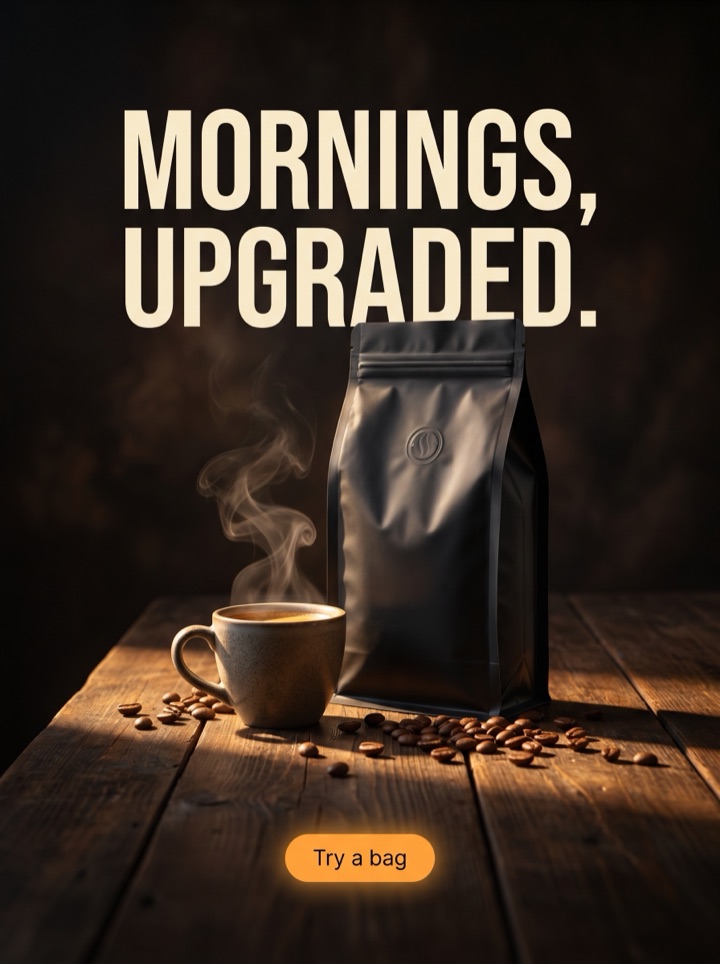
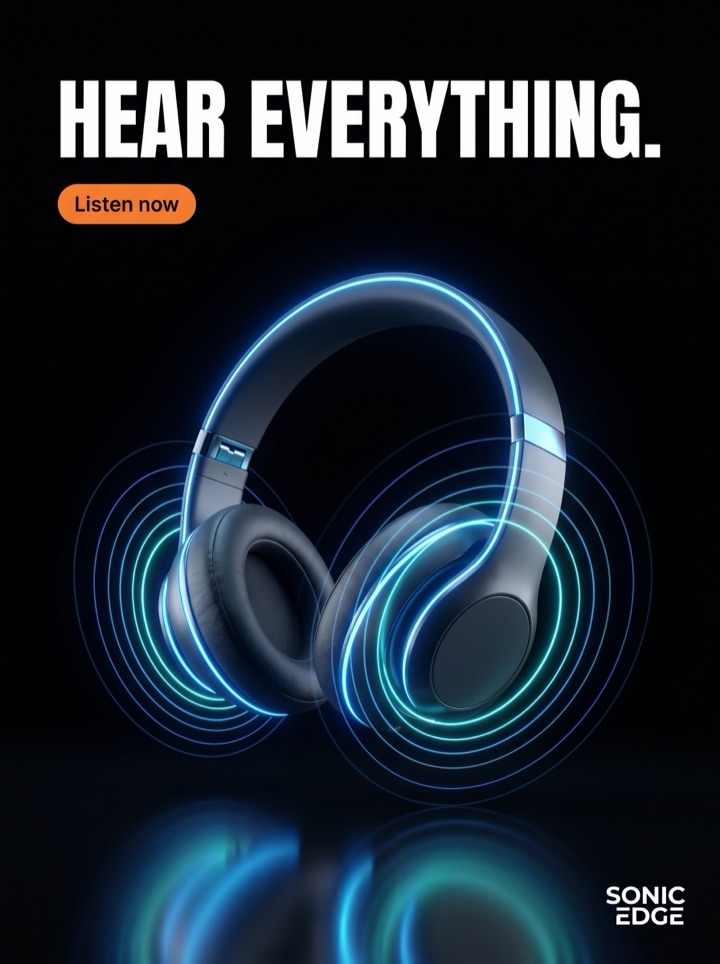
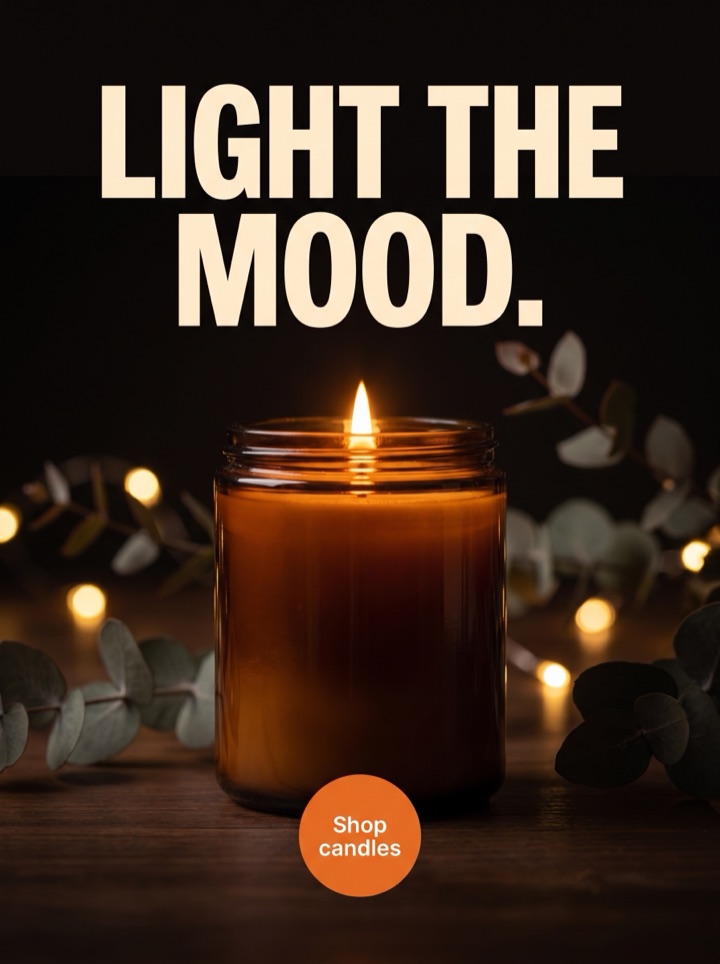
Each example below is one print rebuilt into a different argument for the same wall. The room shots sell scale and styling; the close-ups sell paper and printing; the sets sell the finished wall. Strong art needs all three told separately — not mashed into one crowded layout.



Campaign brief
Art Print Ad Generator campaign brief
A useful art print product ads page should give the visitor a better creative decision than they had before arriving. Use these notes to turn the keyword into a practical ad test.
Best use
Use the generator when your product shots are flat scans of the art. A scan shows the image; it doesn't sell the object on a wall. The pack drafts the in-room, detail, and set layouts a print shop needs but rarely has photographed.
Asset to upload
The highest-resolution photo of the print you have — detail close-ups live or die on source sharpness. A straight-on, evenly lit shot lets the generator place it in rooms and crops without distortion.
First test
In-room scale against the gallery-wall set. The first tests whether your art converts at all; the second tests whether bundles fix your order value. Between them you learn price tolerance and taste in one cheap round.
Format choice
Run 1:1 and 4:5 on Meta, but treat the pin size as a first-class export, not an extra — wall art is one of Pinterest's native categories, and pins keep pulling traffic long after feed ads fade.
Copy direction
Steer toward specifics a buyer can verify: dimensions in the image, edition size if limited, frame status stated plainly. Name the style — 'botanical,' 'minimalist,' 'vintage' — because style words are what art buyers actually search.
Human review
Before export, check the color: the generated room scene must not shift your art's palette, because the buyer will compare the delivered print against the ad. Then check the frame line — 'framed' in an ad for a rolled print is your most expensive possible typo.
How it works
Build Art Print Ad Generator creative around a real buying reason.
1
Upload the print
One straight-on, high-resolution, evenly lit photo of the art. Every room placement, crop, and detail shot in the pack is derived from this single file, so sharpness in equals sharpness out.
2
Get the two-shot spread
The generator drafts the layouts wall art needs: in-room scale, close-up detail, gallery-wall sets, frame clarity, and edition angles — each a finished poster with headline and CTA baked in.
3
Steer and shortlist
Set dimensions, frame status, edition size, and style direction up front — the text is baked in, so the honesty goes in before generation. Keep the drafts where your art's color holds true and regenerate winners.
4
Export the Meta sizes
Unlock high-res, no-watermark files in 1:1, 4:5, 9:16, feed, and pin. Only QA-passed ads spend credits; under 12 passing, the difference auto-refunds.
Ad angles included
Ad angles for Art Print ad generator
Art print ads fail in two predictable ways: the scale lie (a 30x40 print shot so it could be a postcard) and the quality mystery (no close-up, so the buyer assumes the worst about the paper). The angles below are built around closing those two gaps, then adding the commercial layers — sets, editions, style audiences — that turn taste into order value.
Field notes
Art Print Ad Generator field notes
These field notes are a quick human quality pass before you turn previews into production ads.
Creative review
- Always pair the room shot with the dimensions in the image itself. 'Large' means nothing; '24 x 36 above a standard sofa' lets the buyer measure their own wall from their phone.
- The close-up is your quality argument and most shops skip it. Paper texture and edge sharpness at crop distance say 'this is a real object' in a way no adjective can.
- State the frame situation in every ad, not just the listing. 'Frame included' and 'print only, ships rolled' attract different buyers at different prices — ambiguity converts worse than either truth.
- Edition honesty is enforceable scarcity: 'edition of 50, hand-numbered' is a real reason to act now. Open editions shouldn't fake it — 'printed when you order' is its own honest angle.
Placement review
- Gallery-wall sets are the order-value lever. A single $40 print fights the ad math; a three-print curated set at $100 doesn't. Curate the set for the buyer instead of hoping they assemble one.
- Color fidelity is the category's refund engine. If the generated room scene warms or cools your palette, regenerate — the delivered print gets compared against the ad, not the listing.
- Sell to a taste, not to everyone. 'Botanical prints for a calm bedroom' targets a person; 'beautiful wall art' targets nobody. Steer each angle at one named style audience.
Export review
- Pinterest behaves differently for wall art than for almost any other category: pins surface in style searches for months. Export the pin size by default and treat it as a slow-burn channel, not an afterthought.
- Room styling should flatter the art, not compete with it — if the sofa is more interesting than the print, the layout failed. The art is the largest, sharpest thing in frame or it's the wrong draft.
- Watch the crop into 9:16: vertical formats can guillotine a landscape composition. Check that the artwork survives every size before export, not just the square.
Sizes and exports
Sizes and exports for Art Print ad generator
For art print product ads, the export shape should support the product story. Static posters are available first; display and HTML5 exports stay clearly labeled as agency or roadmap workflows until enabled.
1:1 square
Use 1:1 square when the art print product ads concept needs a balanced product, hook, and CTA layout.
4:5 feed
Use 4:5 feed when the product in art print product ads needs more vertical room than a square ad but still appears in feed.
9:16 story/reels
Use 9:16 story/reels for full-screen mobile placements where the product and CTA for art print product ads need strong top-to-bottom spacing.
Facebook feed
Use Facebook feed when the product in art print product ads needs more vertical room than a square ad but still appears in feed.
Art Print Ad Generator pages should help a founder decide what to make next: which product image to use, which hook to test, which placement to export, and what should stay locked behind a paid pack. That is why Product AdKit centers the product workflow instead of offering a generic design surface.
Copy examples
Hooks, CTAs, and mistakes for Art Print ad generator.
Headline hooks
- That wall has been blank long enough.
- See it at actual size. Then measure nothing else.
- Three prints. One finished wall. Zero guesswork.
- Close enough to see the paper. That's the point.
- Edition of 50. The number on yours won't repeat.
- Frame included. Hang it the day it arrives.
- Art that survives the close-up.
- The cheapest room renovation is one nail.
CTA examples
- Shop Art Print
- Try the Art Print
- See the offer
- Build my ad pack
- Get the bundle
Common mistakes
- Advertising with a flat scan of the artwork — it shows the image and sells nothing about scale, paper, or presence on a wall.
- Leaving the frame question open. 'Framed?' is the first comment on every wall-art ad that didn't answer it in the layout.
- Letting the room scene shift the print's colors — the delivered art gets judged against the ad, and color drift is the category's refund engine.
- Running single low-priced prints against paid CPCs without a gallery-wall set in the test.
- Implying scarcity on an open edition. Buyers in this category know the difference, and the trust loss outlives the campaign.
Editorial review
Art Print Ad Generator review checklist
Use this art print product ads checklist as a human quality pass before turning previews into production ads.
1
Does the test include both an in-room scale shot and a true close-up of the print?
2
Is the frame situation stated in the layout — included, optional, or ships rolled?
3
Do the ad's colors match the actual print closely enough to survive an unboxing comparison?
4
Is there a gallery-wall set angle so the order value can carry the click?
5
Did the artwork survive every export size uncropped — especially 9:16 — and is the pin version exported?
FAQ
Art Print ad generator questions
Why do art print ads need both a room shot and a close-up?
Because they answer two different objections. The in-room shot answers scale — will it look right above my sofa — and the close-up answers quality — is this real printing on real paper or a poster-tube afterthought. Product AdKit drafts both from one photo of your print, as separate posters, so each argument gets a full frame instead of fighting for space.
Will the generated room scenes change how my art looks?
That's the thing to check before exporting. The pack's QA pass screens drafts, and the free view-only preview lets you compare the ad against your original at no cost — only QA-passed ads spend credits. If a scene warms or cools your palette, regenerate that angle: in wall art, color drift between the ad and the delivered print is the classic refund driver.
How should limited editions and open editions be advertised differently?
Limited editions earn real urgency — edition size and hand-numbering are honest scarcity, so put them in the headline. Open editions should never fake it; 'printed when you order' is its own clean angle about freshness and zero warehouse time. Steer the generator with whichever truth applies, because a faked 'almost gone' on an open edition is the kind of thing art buyers remember.
What does a pack include and cost?
A view-only preview is free, no credit card. The $29 Product Pack delivers 10 ad concepts from one photo; $49 covers two products, and $59 adds Premium 3D. Packs generate in a few minutes and export in 1:1, 4:5, 9:16, feed, and pin — and the pin matters in this category. Under 12 QA-passed ads and the difference auto-refunds.
Related tools