Product AdKit vs Photoroom
Product AdKit vs Photoroom
Photoroom gets you a clean cutout. Then you still have a blank PNG and a to-do list: write the hook, pick the angle, lay it out, resize for every placement. Product AdKit picks up there — upload that photo and get a pack of finished ads with copy and Meta sizes already done.
Free previews are full-quality and view-only, so you can judge the hooks and layouts before paying. Unlock the full pack only once the ads are worth exporting as high-res, no-watermark files in their Meta sizes.
Examples
Product AdKit vs Photoroom examples
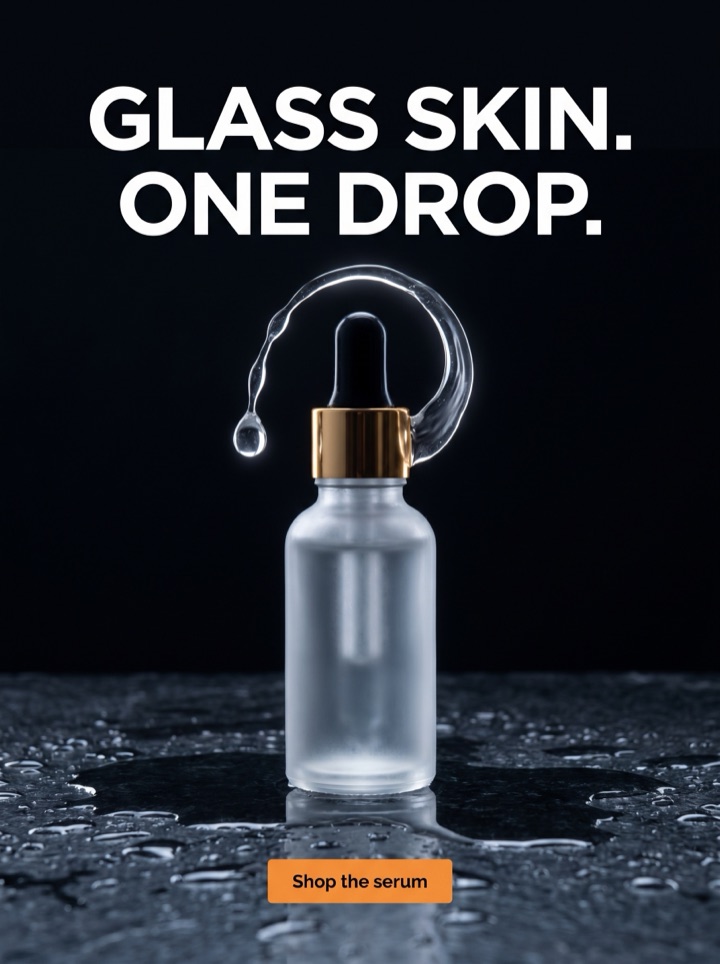
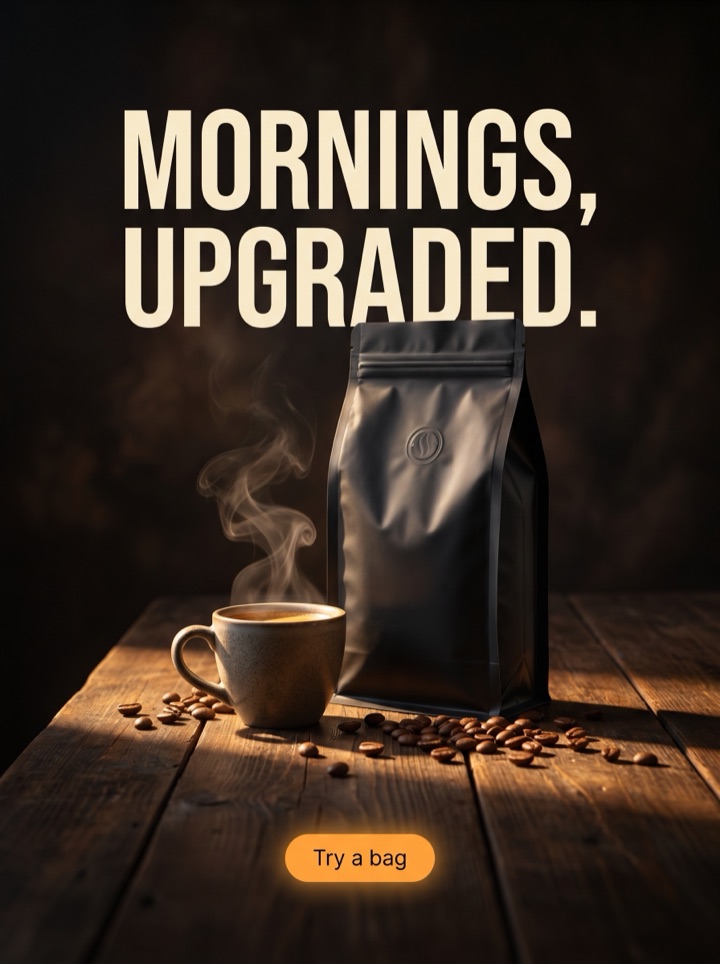
Photoroom would hand you the cutout. These are the next step: the same kind of product shot already built into ads with a headline, an offer, and a CTA in the frame. This is the work that still sits between a clean PNG and something you can actually run in feed.




Methodology
Comparison method and disclosure.
We make Product AdKit, so this page is not neutral. It compares the job each tool is best for, cites public sources, and states where the other product is the better choice.
Sources checked
Prices and feature claims should be rechecked before major edits. This version was reviewed on June 4, 2026 against official Photoroom source and Product AdKit's shipped static-ad workflow.
Where Photoroom wins
Photoroom is stronger for background removal, product retouching, and preparing a clean image asset.
Where Product AdKit wins
Product AdKit wins once the image is ready and the remaining job is hooks, CTAs, static layouts, and test-ready Meta sizes.
Campaign brief
If you already use Photoroom, here is where Product AdKit fits
Most people land here with a folder of clean Photoroom cutouts and the same question: now what do I actually say in the ad? This brief turns that finished photo into a first test.
When it fits
Reach for Product AdKit once the photo is already good — cut out and retouched in Photoroom — and the real work left is the copy, the angle, and the layout, not the image itself.
Photo to upload
A Photoroom cutout on a clean or solid background is ideal. Leave breathing room around the product so a headline and CTA have somewhere to live, and keep one real detail (label, texture, scale) in shot.
First test
Generate the pack and put a promotional angle next to a premium angle off the same photo. Photoroom can't make that call for you; here you get both versions to test instead of guessing one.
Format choice
Start with 1:1 square and 4:5 feed, the sizes most Meta tests need. Add other placements once the product and CTA still read when the frame shrinks. HTML5 and video stay on the roadmap.
Copy direction
Let the product decide. If it's a familiar category, lead with the offer; if it needs explaining, lead with the hook. The pack drafts several so you're choosing between angles, not writing from scratch.
Human review
Before you publish, ask whether the headline could only belong to this product. A clean cutout looks generic if the words around it would fit anything — that's the gap a photo editor never closes.
How it works
From the photo Photoroom hands you to a pack of finished ads.
1
Upload the cleaned photo
Drop in the cutout or retouched shot you'd export from Photoroom. No background to remove and no canvas to set up — the photo is the input, not a project file.
2
Get the angles written for you
The pack drafts the part Photoroom never touches: hooks, headlines, offers, and CTAs across angles like proof, urgency, launch, premium, and bundle — all composed around your product.
3
Preview before you pay
Skim view-only previews and keep what works — steer and regenerate the rest — so you're approving real ads, not buying blind.
4
Export what you'll actually run
Unlock high-res, no-watermark files in their Meta sizes once a layout reads clearly at feed size. One upload covers the sizing Photoroom would make you redo by hand.
Examples
What a cleaned photo looks like as a finished ad pack
A background-removal tool hands you one clean image and stops. The decision it can't make is which story to tell with it. Product AdKit drafts each of these angles from the same photo, so you pick a winner instead of writing one from a blank PNG.
Field notes
Notes for turning a Photoroom photo into an ad
These field notes are a quick human quality pass before you turn previews into production ads.
Creative review
- A flawless cutout still has to earn the scroll. The first screen should make clear what the product is, who it's for, and why it deserves a stop — Photoroom got the image clean, the words have to do the rest.
- Keep the product bigger than the decoration. A swapped-in AI background can support the offer, but if the scene becomes the subject you've made a wallpaper, not an ad.
- Put a proof-led version next to an offer-led version. Which wins usually depends on whether the audience already knows the category — and that's a copy call, not a retouching call.
- The safest starter layout is product first, hook second, CTA third. Move price or discount copy up only when the offer is the actual reason to click.
Placement review
- Check the ad at phone width before you export. A product shot that looks pristine at full size can lose its benefit copy entirely once Meta shrinks it into feed.
- Keep one version calm and premium, one direct and promotional, one proof-heavy. That spread gives your first test real contrast instead of three near-identical frames.
- Don't let the copy promise something the product page can't back up. The ad should speed up the click, not write a check the landing page has to cover.
Export review
- A paid pack is worth unlocking once at least two previews show a genuinely distinct buying reason — not the same cutout with a swapped headline.
- If the product has packaging, texture, materials, ingredients, or a sense of scale, lean on those as visual proof instead of stacking on generic badges. The clean photo already does that work; let it.
- The final export call should be boring in the best way: product readable, offer clear, CTA obvious, and nothing roadmap-only (HTML5, video) presented as if it ships today.
Sizes and exports
Every placement sized for you, not resized by hand
In Photoroom, each placement is a separate resize you set up and export yourself. Here the pack lays the product, hook, and CTA into each size at once. Static posters ship today; HTML5 and video exports stay clearly labeled as roadmap until they're live.
1:1 square
The default Meta workhorse. Use it when the product, hook, and CTA need a balanced, evenly weighted layout that reads anywhere in feed.
4:5 feed
Taller than square and the largest a feed ad runs on mobile. Use it when the product wants more vertical presence without leaving the feed.
9:16 story/reels
Full-screen vertical for Stories and Reels. Use it when the product and CTA need real top-to-bottom space and a thumb-stopping crop.
Facebook feed
Tuned for the desktop and mobile Facebook feed, where headline room matters. The same photo carries over so the campaign stays consistent across placements.
Photoroom is the fastest way to remove a background and walk away with a clean product shot. The open question it leaves is what to do with that shot — which hook, which headline, which placement. Product AdKit picks up exactly there, turning the cleaned photo into a full pack of ad angles, copy, and feed-ready sizes.
Copy examples
Hooks, CTAs, and mistakes for Product AdKit vs Photoroom.
Headline hooks
- Photoroom gives you a clean cutout. Product AdKit turns it into a pack of ads.
- Background removed is step one — Product AdKit writes the hooks, CTAs, and layouts that follow.
- Use Photoroom to fix the photo, use Product AdKit to build the campaign around it.
- A great product cutout still needs an angle. Product AdKit drafts ten.
- Stop exporting clean PNGs you then have to design by hand.
- From background removal to feed-ready ad pack in a single upload.
- Photoroom is photo editing. Product AdKit is ad creative.
- One cleaned photo, every Meta size and selling angle laid out for you.
CTA examples
- Compare workflows
- Generate a free preview
- See the ad pack
- Test Product AdKit
- View pricing
Common mistakes
- Treating a clean cutout as a finished ad — the photo still needs a hook, a headline, and an offer.
- Exporting dozens of background-free PNGs, then rebuilding each one by hand in a design tool.
- Comparing Photoroom and Product AdKit on photo quality when they solve different steps of the same job.
- Assuming a great product shot resizes itself into every Meta, story, and feed placement.
- Paying for image editing when the slow part is actually writing and laying out the ads.
Examples
What a cleaned photo looks like as a finished ad pack
Run this quick pass on each preview before you export, so a clean cutout actually turns into an ad worth running.
1
Does the headline say something only this product could say, or could it sit on any clean cutout in your catalog?
2
Is the product still the hero, or has the swapped-in background quietly become the subject of the ad?
3
Do at least two previews show a genuinely different buying reason, not the same layout with new words?
4
Does the product, hook, and CTA still read once Meta crops the ad down to its feed placement?
5
Are you exporting only formats that ship today, with HTML5 and video left as roadmap rather than treated as live?
FAQ
Product AdKit vs Photoroom questions
What is the difference between Product AdKit and Photoroom?
Photoroom is a product-photo editor. It removes backgrounds, swaps in AI scenes, retouches, and resizes catalog images, usually one picture at a time. None of that writes a hook, picks a selling angle, or lays the product into a finished feed ad. Product AdKit starts where Photoroom stops: you upload the clean photo and it generates a pack of static ecommerce ads with headlines, CTAs, and Meta-ready layouts already composed around the product.
Can I use a photo I already cleaned in Photoroom with Product AdKit?
Yes, and that is the ideal input. A Photoroom cutout on a clean background is exactly the kind of crisp, distraction-free product shot Product AdKit builds around. Upload it and the pack writes the headline, offer, and CTA and arranges them around your product in 1:1, 4:5, and 9:16, so you are not dropping the PNG into a design tool and laying out every ad yourself.
Does Product AdKit replace Photoroom?
No, and it is not trying to. Background removal and product retouching are Photoroom's job and it does them well. Product AdKit does not cut out backgrounds or fix lighting. It turns a finished photo into ad creative. The two sit back to back: retouch and cut out in Photoroom, then build the campaign in Product AdKit.
Can I get multiple ad angles instead of one edited image?
Yes. Photoroom hands you one polished image and leaves the angle to you. Product AdKit drafts the angles for you: a flash-sale version, a premium version, a social-proof version, a launch version, and more, each with its own hook and CTA, all from the same uploaded photo. Free previews are full-quality and view-only; you steer the headline, CTA, offer, and layout up front and regenerate what misses, and paid packs unlock high-res, no-watermark exports.
Related tools