Product AdKit vs Pebblely
Product AdKit vs Pebblely
Pebblely is a scene generator: it surrounds your product with a fresh AI background so the photo looks styled and intentional. What it does not do is decide why a shopper should click. Product AdKit picks up that styled shot and writes the hook, the offer, the CTA, and the Meta sizes around it — so you end with an ad, not just a nicer picture.
Free previews come full-quality and view-only — much like a fresh Pebblely scene is a styled photo you still have to turn into an ad. Unlock the full pack only once the finished posters, with their hooks and CTAs in place, are worth exporting as high-res, no-watermark files in Meta sizes.
Examples
Product AdKit vs Pebblely examples
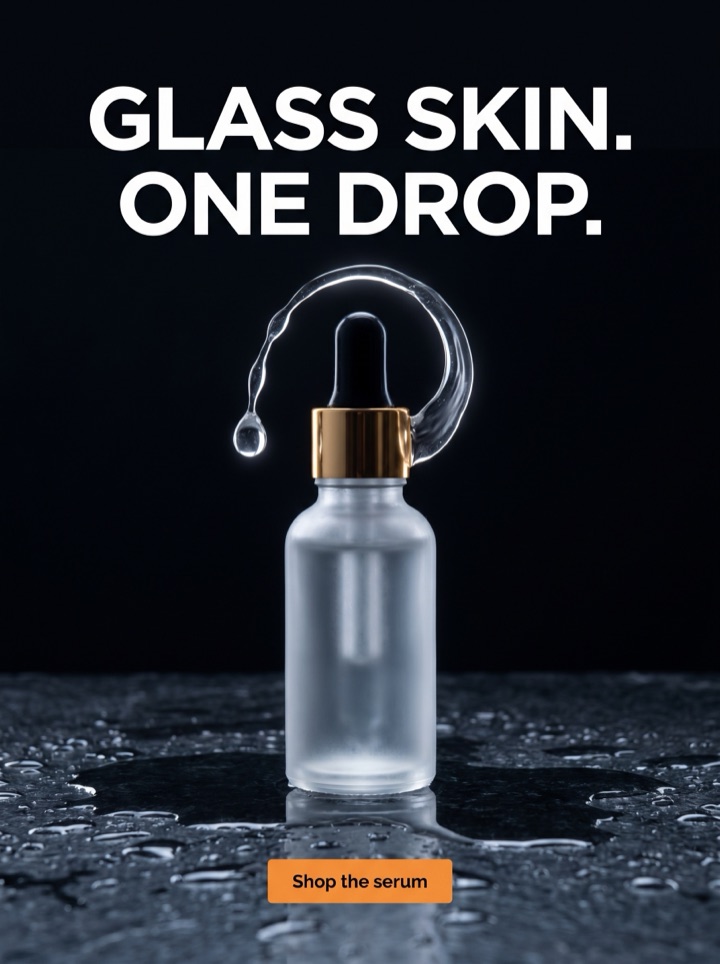
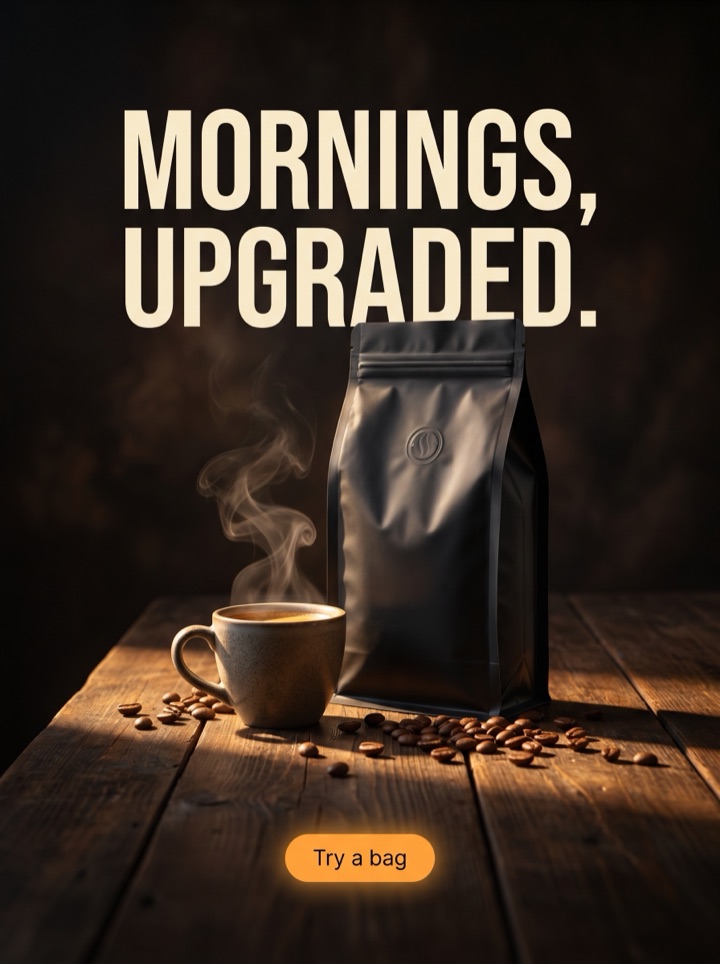
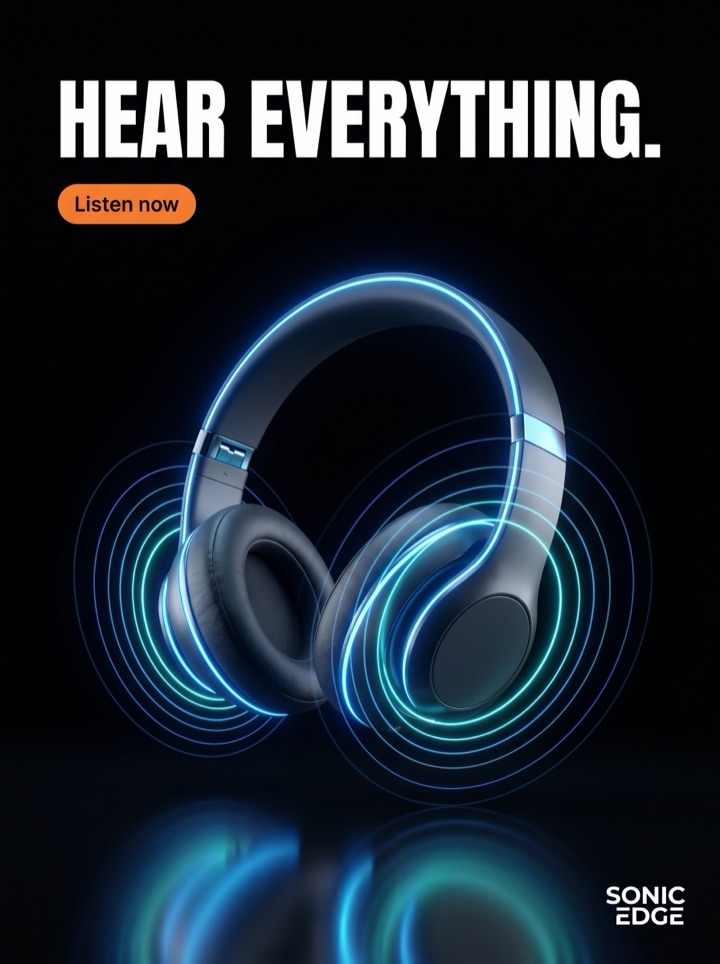
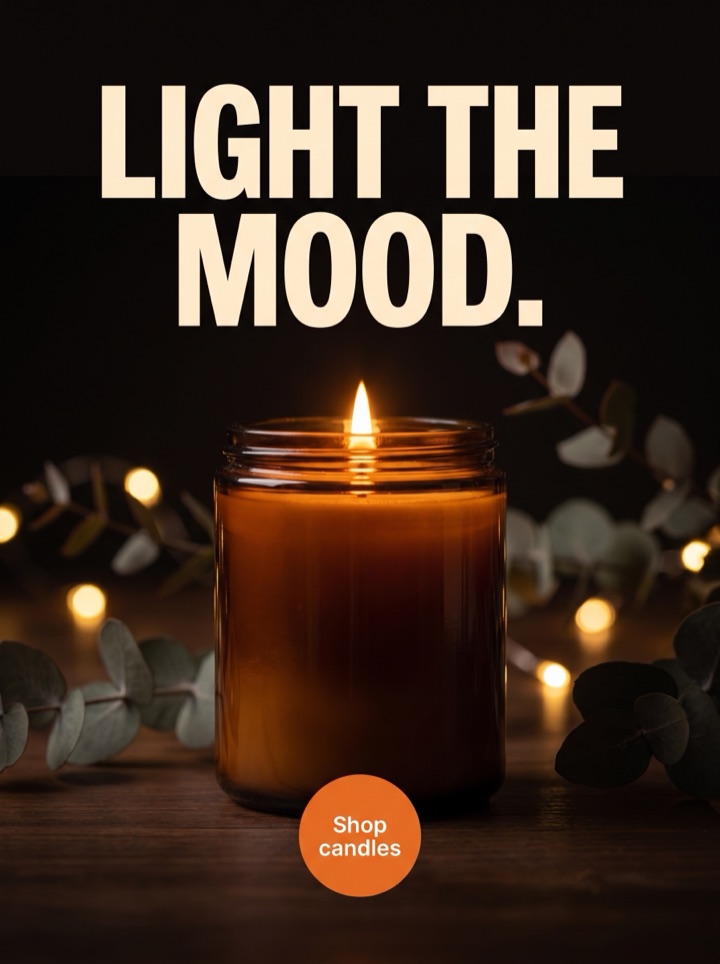
Picture the kind of frame Pebblely gives back: a product sitting in a clean generated scene, nicely lit, ready to be admired. The examples below pick up from there. Each one takes that styled scene and finishes the job an ad actually needs — a reason to stop scrolling on top, an offer in the middle, a CTA you can tap — across the angles and crops you would run.


Methodology
Comparison method and disclosure.
We make Product AdKit, so this page is not neutral. It compares the job each tool is best for, cites public sources, and states where the other product is the better choice.
Sources checked
Prices and feature claims should be rechecked before major edits. This version was reviewed on June 4, 2026 against official Pebblely source and Product AdKit's shipped static-ad workflow.
Where Pebblely wins
Pebblely is stronger when the core job is product photography, generated backgrounds, and making the product image itself look better.
Where Product AdKit wins
Product AdKit fits after the photo step: it turns a clean product image or scene into static ad angles that can be tested.
Campaign brief
When the scene is done, what comes next?
If Pebblely is already your go-to for generating scenes, the gap is everything that happens after the render. These notes are a quick map of when a styled scene is the finish line and when it is really only the photo step.
What Pebblely solves
The job Pebblely nails is the setting. Drop in a flat product shot and it conjures a scene around it — soft surfaces, props, lighting — so the product no longer looks like it was photographed on a kitchen counter.
What it leaves open
A generated scene says nothing about why anyone should buy. There is no headline, no offer, no call to action, and no feed-sized crop. That blank is exactly the part Product AdKit fills in.
What to upload
Feed in your sharpest product shot — a Pebblely scene you already love is perfect. The one thing to watch for: keep a little breathing room near the edges so a hook and a CTA have somewhere to land without covering the product.
Run this first test
Take a single scene and split it two ways: one urgent flash-sale read, one quiet premium read. Identical product, two different reasons to click. You will learn more from that one fork than from generating a dozen near-identical scenes.
Pick the crop
Lead with 1:1 square and 4:5 feed. The prettiest scene in the world is wasted if the headline and CTA fall apart the moment the ad is cropped down to the placement you are paying to show it in.
Sanity-check the words
Lovely scenery is not persuasion. Read the copy and ask whether it gives a shopper a reason to stop. If the same headline could sit over any product in your catalogue, the scene is doing work the words should be doing.
How it works
Take a styled scene and turn it into ads people click.
1
Bring in the scene
Upload the product shot you want to advertise. If it is already a Pebblely scene you are happy with, even better — that becomes the hero the rest of the ad is built on.
2
Pick the selling angle
This is the step a scene generator skips. Choose how the ad should sell — proof, urgency, a launch, a premium read, a bundle — and Product AdKit writes the headline and CTA to match.
3
Look over the pack
You get a spread of view-only previews instead of one frame. Scan them, keep the angles that land, and steer a regenerate on any of them before a dollar changes hands.
4
Export the keepers
Once a preview clearly reads as an ad, unlock the high-res, no-watermark version in the Meta sizes you run. You leave with finished creative, not a photo to go design.
Examples
From a Pebblely scene to a finished ad pack
Pebblely gives you one beautifully staged frame. The catch is that a single frame is a single idea — and you usually need several to find the one that converts. Product AdKit takes that scene and spins it into a set of distinct ad angles, each with its own hook, CTA, and crop.
Field notes
Notes for the step after the scene
These field notes are a quick human quality pass before you turn previews into production ads.
Creative review
- A Pebblely scene can be stunning and still say nothing. Before you commit, make sure the first thing a shopper reads is a reason to care, not just a pretty environment.
- Watch the balance of attention. If the generated backdrop is pulling the eye more than the product, shrink the scenery or lift the product forward — the thing you sell should win.
- Try one proof-led read against one offer-led read on the same scene. Which wins usually depends on whether your audience already knows the category or is meeting it for the first time.
- Product first, hook second, CTA third is the safe stacking order. Only push the price or discount to the top when the deal itself is the reason someone clicks.
Placement review
- A scene shot wide for a desktop preview can lose its product in a phone feed. Check every angle at mobile width before you export it.
- Spread your first test across moods: one calm and premium, one blunt and promotional, one leaning on reviews. Three honest contrasts beat three flavours of the same idea.
- Do not let the ad promise something the scene implies but the product page cannot back up. The job is to earn the click, not to set up a let-down on the landing page.
Export review
- Pay for the pack when at least two previews carry genuinely different buying reasons — not the same layout wearing a new headline.
- If the product has real texture, packaging, materials, ingredients, or a sense of scale, let those details do the persuading instead of bolting on a generic badge.
- The final call should feel reassuringly dull: product legible, offer obvious, CTA unmissable, and nothing roadmap-only dressed up as if it ships today.
Sizes and exports
The same scene, sized for every placement
A Pebblely scene comes out at one shape; a campaign needs several. Product AdKit re-lays the hook and CTA so the scene holds up in each crop. Static posters ship today; display and HTML5 exports stay clearly marked as agency or roadmap workflows until they are switched on.
1:1 square
The all-rounder. Square gives the scene, the headline, and the CTA equal room, which makes it the safest crop to test a new angle in first.
4:5 feed
Taller than square and the workhorse of the Meta feed. Use it when the scene wants a little vertical height but still has to sit inline as someone scrolls.
9:16 story/reels
Full-screen and vertical. Here the scene fills the frame, so the hook needs to ride high and the CTA needs to anchor low, with the product breathing in between.
Facebook feed
The classic placement where caption, scene, and CTA stack together. Keep the headline short enough that it survives the feed's own cropping.
Pebblely is brilliant at one thing: wrapping your product in a generated scene so the photo finally looks the part. What it hands back is still a photo, though — no hook, no offer, no feed size. Product AdKit takes it from there, layering on the headline, CTA, and every placement crop until the scene becomes creative you can run.
Copy examples
Hooks, CTAs, and mistakes for Product AdKit vs Pebblely.
Headline hooks
- Pebblely makes the scene. Product AdKit makes the ad.
- A generated background is gorgeous — but it still needs a hook and a CTA.
- Use Pebblely for the photo, Product AdKit for the campaign around it.
- From AI product scene to ten finished ad angles in one upload.
- Stop exporting pretty product shots you then have to caption and lay out by hand.
- One scene, every Meta size and selling angle drafted for you.
- Pebblely is product photography. Product AdKit is ad creative.
- Turn a single generated scene into a full, ready-to-run ad pack.
CTA examples
- Compare workflows
- Generate a free preview
- See the ad pack
- Test Product AdKit
- View pricing
Common mistakes
- Treating a beautiful product scene as a finished ad — it still needs a headline, an offer, and a CTA.
- Generating lots of scenes, then rebuilding each one into an ad by hand.
- Comparing Pebblely and Product AdKit on image quality when they cover different steps of the same job.
- Assuming one stunning scene works as-is across square, story, and feed placements.
- Investing in backgrounds when the real bottleneck is writing and laying out the ads.
Examples
From a Pebblely scene to a finished ad pack
Run any preview through this short checklist before you turn it into a live ad — it is the human pass a scene generator cannot do for you.
1
Does the headline give a reason to click, or is the styled scene quietly doing all the persuading?
2
Could you swap this headline onto a different product and have it still make sense? If so, it is too generic.
3
Have you separated what ships today (static posters) from roadmap formats like HTML5 or video?
4
Is the product still the clear hero once the ad is cropped down to its target placement — not buried in the scene?
5
Do your two or three angles actually sell differently, or are they one scene in three near-identical outfits?
FAQ
Product AdKit vs Pebblely questions
What is the difference between Product AdKit and Pebblely?
Pebblely's job is the background: it sets your product inside a generated scene so the photo looks styled and shot on purpose. It does not write the headline, pick a selling angle, or size the ad for a feed. Product AdKit starts where that styled photo ends and builds the ad around it — hook, offer, CTA, and the Meta placement sizes you run.
Can I use a scene I already generated in Pebblely with Product AdKit?
Yes, and it is a good way to work. Export the styled scene from Pebblely, then upload it to Product AdKit as your hero image. The pack treats that scene as the backdrop and layers a headline, offer, and CTA over it, so a pretty photo becomes something a shopper can actually click.
Does Product AdKit replace Pebblely?
No — they sit on either side of the same job. Pebblely earns its keep when the scenery is the weak link and the product needs a better-looking environment. Product AdKit earns its keep once the scene looks good and you still have to turn it into eight selling angles with copy and feed sizes. Many founders use Pebblely for the look, then Product AdKit for the ad.
A Pebblely render gives me one image — can Product AdKit give me several ad angles?
Yes. One Pebblely render is a single styled frame. From one upload, Product AdKit drafts a pack of distinct angles around it — flash sale, social proof, premium, launch, and bundle — each with its own headline and CTA, all shaped by your direction before you pay to export.
Related tools