Product AdKit vs hiring a designer
Product AdKit vs hiring a designer
A freelance designer or agency is the right call for a brand system, packaging, or a flagship campaign that needs original art direction. Product AdKit is for the in-between weeks: when you need ten more product ad variations to test and you do not want to write a brief, wait for a revision round, or pay project rates to do it.
Free previews are full-quality and view-only, no design brief or revision round required to see them. Unlock the full pack only once the variations are worth exporting as high-res, no-watermark files, ZIP download, and Meta sizes.
Examples
Product AdKit vs hiring a designer examples
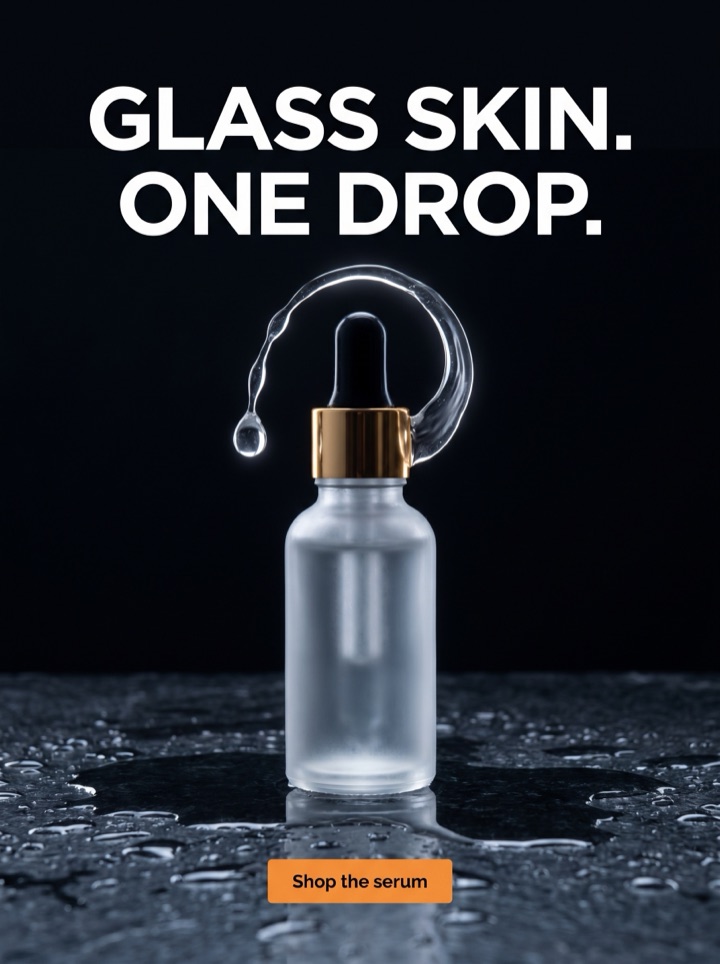
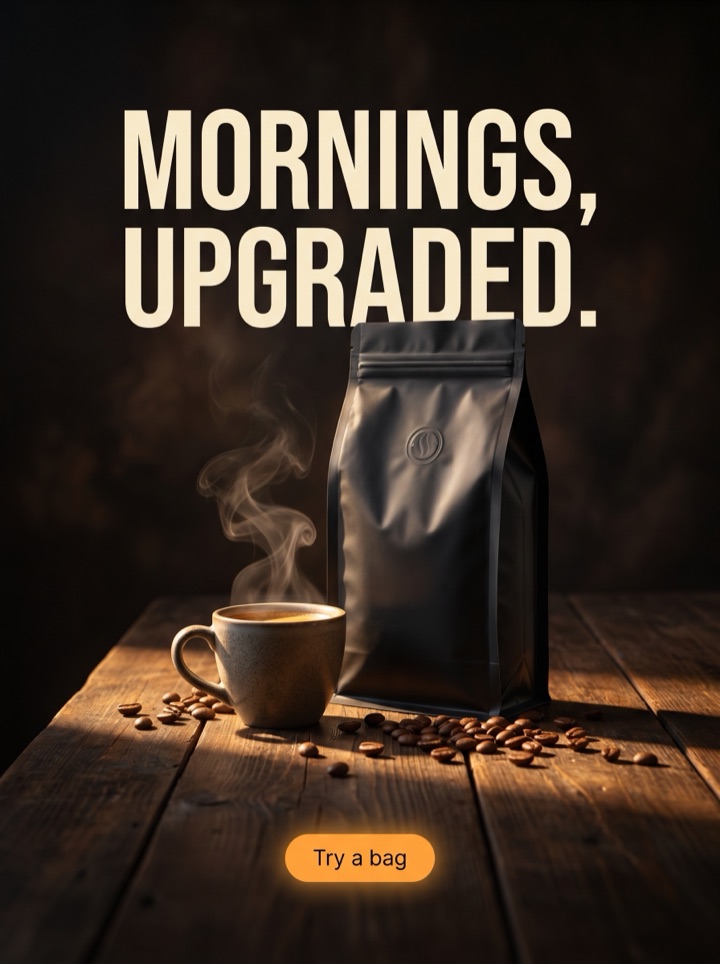
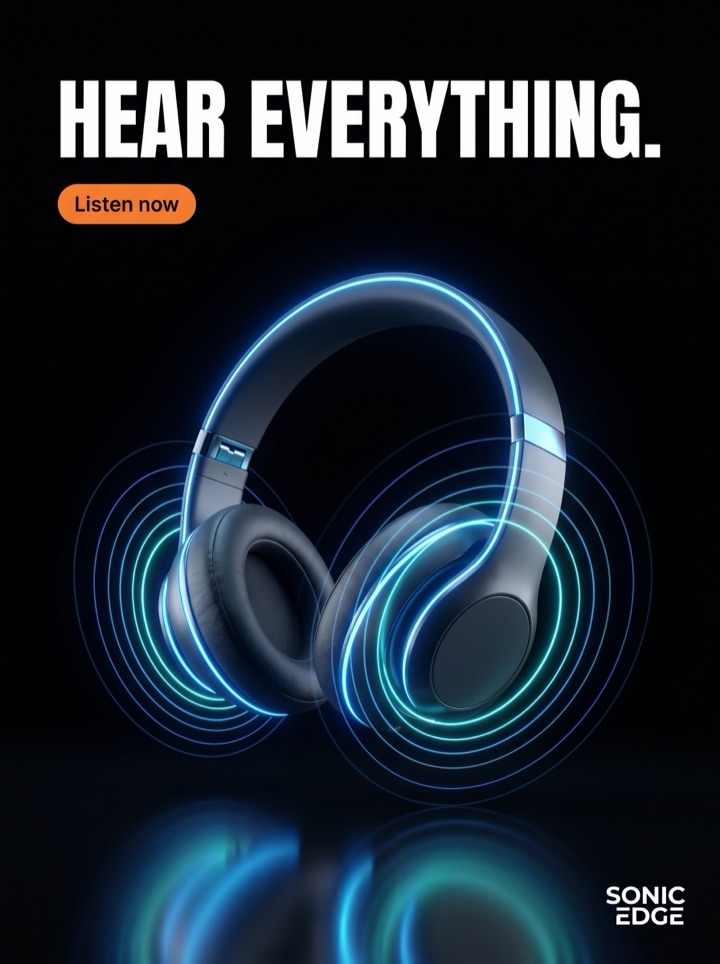
These are the kind of variations you would normally brief a designer for one at a time. Each one started from a single product photo and came back as a finished, ready-to-run angle, the volume side of the job a freelancer rarely turns around in an afternoon.



Methodology
Comparison method and disclosure.
We make Product AdKit, so this page is not neutral. It compares the job each tool is best for, cites public sources, and states where the other product is the better choice.
Sources checked
Prices and feature claims should be rechecked before major edits. This version was reviewed on June 4, 2026 against official hiring a designer source and Product AdKit's shipped static-ad workflow.
Where hiring a designer wins
A designer is stronger for original brand systems, high-stakes launch campaigns, art direction, and custom creative judgment.
Where Product AdKit wins
Product AdKit wins for repeatable static testing: fast angle generation, copy you steer up front, and make-more-like-this after a winner emerges.
Campaign brief
Deciding between a designer and Product AdKit
This is not a quality argument, it is a job-and-budget one. Use these notes to figure out which work belongs with a designer and which belongs in a fast self-serve pack.
Keep with a designer
Brand identity, packaging, your logo, and the one launch campaign that has to feel original. These reward a human's strategy and craft, and they happen rarely enough to justify a project rate.
Move to Product AdKit
The repetitive part: spinning up many product ad variations every week to feed Meta testing. That volume is slow and expensive to brief out one ad at a time.
What you upload
One clean product photo with a little breathing room for copy. No creative brief, no mood board, no kickoff call, the photo is the input.
Turnaround
A designer's cycle is brief, draft, and revision rounds across days. Product AdKit returns a pack of ready-to-run angles in minutes so you can test this week, not next sprint.
Where you stay in control
Headlines, CTA, offer, and layout follow the direction you set, and you regenerate before paid export, the same way you would mark up a designer's draft, just without the back-and-forth.
When to bring the designer back
If a generated variation is winning and you want to elevate it into a hero asset, that is the moment to hand it to a designer rather than start the whole campaign with one.
How it works
The same job, without the brief-and-wait cycle.
1
Skip the brief
Instead of writing a creative brief and scheduling a kickoff, you upload one product photo. The photo and the product are the brief.
2
Get angles, not one comp
You get a pack of buying reasons at once, proof, urgency, launch, premium, bundle, where a freelancer would usually deliver one concept per round.
3
Redline, then regenerate
Judge the view-only preview, steer the headline, CTA, offer, or layout, and regenerate, the way you would redline a draft, but immediately instead of next revision.
4
Pay only for keepers
Unlock high-res, no-watermark files only for the variations worth running. No project minimum, no paying for rounds you discard.
Examples
Product AdKit vs hiring a designer examples
A designer turns these into a list of revision rounds. Product AdKit generates the set from one photo, so you can test several buying reasons in the time it takes to scope a single freelance gig.
Field notes
Field notes on splitting work with a designer
Practical guidance from running both at once: where a freelancer earns their rate, and where a self-serve pack is the smarter buy.
Creative review
- If the deliverable is a logo, packaging, a brand kit, or your tentpole launch, hire the human. These set the look everything else borrows from, and they are worth original strategy.
- If you cannot describe the result without saying "make it feel like us," that is taste work, not variation work. Brief a designer rather than expecting a generator to invent your brand.
- If a generated ad starts winning and you want a premium hero cut of it, that is the right moment to bring a designer in, with a proven angle instead of a blank scope.
- If the task is "I need eight more variations of this product to test by Friday," that is volume work. Briefing it out one ad at a time is slow and expensive; generate the pack instead.
Placement review
- Keep one calm premium version, one direct promo version, and one proof-led version in any batch. That contrast is the whole point of testing, and it costs you nothing extra to produce.
- Check each variation at phone width before export. Benefit copy that reads fine on desktop often disappears in feed, and a designer would catch that on your behalf, so do the pass yourself here.
- A pack is worth unlocking when at least two previews show a genuinely different buying reason, not the same layout with a new headline, the same bar you would hold a designer's drafts to.
Export review
- If the product has real texture, materials, ingredients, or scale, let those carry the proof instead of stacked badges, the detail a good designer would foreground anyway.
- Keep the export decision boring: product readable, offer clear, CTA obvious, and nothing roadmap-only presented as live. Polish you cannot ship is not polish.
Sizes and exports
Sizes you get back without a resize round
Asking a designer to adapt one concept across placements is usually its own line item. Product AdKit returns the common Meta sizes in the pack. Static posters come first; display and HTML5 exports stay clearly labeled as agency or roadmap workflows until enabled.
1:1 square
The default workhorse: a balanced product, hook, and CTA that holds up across feed and most placements.
4:5 feed
More vertical room than a square while still sitting in feed, handy when the product is tall or the hook needs a second line.
9:16 story/reels
Full-screen mobile, where the product and CTA need strong top-to-bottom spacing instead of a centered square crop.
Facebook feed
The same concept fitted to Facebook's feed proportions, so you are not paying for a separate adaptation per channel.
Hiring a designer is the right move for brand work and flagship campaigns. But most ad testing is volume: more hooks, more angles, more placements, every week. Product AdKit covers that side from one product photo, so your designer's hours go to the work only a human can do, and your testing budget is not eaten by revision rounds.
Copy examples
Hooks, CTAs, and mistakes when weighing a designer against Product AdKit.
Headline hooks
- Keep your designer for the brand. Generate the variations.
- Ten ad angles in the time it takes to write the brief.
- No kickoff call, no revision round, no project minimum.
- The volume work your freelancer hates, done from one photo.
- Designer-grade decisions are still yours; the busywork is not.
- Test more hooks this week than you could brief this month.
- One product photo, a pack of distinct angles, your direction before you pay.
- Pay project rates for the hero, not for every A/B test.
CTA examples
- Generate a free preview
- See the ad pack
- Compare the workflows
- Test it before you brief a designer
- View pricing
Common mistakes
- Paying a designer's project rate to crank out routine A/B variations that just need volume.
- Briefing a brand-new campaign to a generator when the real need is a logo, packaging, or art direction.
- Treating it as either/or when most stores want the designer for brand work and a pack for testing.
- Waiting on a revision round to test an idea that a same-day variation could have answered.
- Expecting bespoke hero polish from a high-volume tool, or expecting cheap volume from a bespoke designer.
Examples
Product AdKit vs hiring a designer examples
Run this pass to decide whether the next piece of creative belongs with a designer or in a self-serve pack.
1
Is this brand-defining work, or one of many test variations? The first belongs with a designer; the second does not.
2
Could you describe the result in a sentence, or does it need taste and strategy you would have to explain in a call?
3
How many versions do you actually need this week, and would briefing each one out be slower than generating the set?
4
Is the product still readable after the crop into each placement, the check a designer would do that you must do yourself here?
5
Are you separating live static exports from roadmap-only formats like HTML5 or video before you promise anything?
FAQ
Product AdKit vs hiring a designer questions
Should I hire a designer or use Product AdKit?
It depends on the job. Hire a designer for brand systems, a logo, packaging, or a hero campaign that needs custom strategy and original art direction. Use Product AdKit for the weekly grind of producing many product ad variations to test, when a founder needs more creative than they can brief out or make by hand.
How is the Product AdKit workflow different from a freelance designer's?
A designer works from a brief and a revision cycle: you scope the project, wait for drafts, and review rounds over days. Product AdKit works from one product photo: you upload it and get a pack of ready-to-run ad angles, hooks, CTAs, and Meta sizes back in minutes, then steer and regenerate until the copy and layout land before exporting.
Can a designer and Product AdKit work together?
Yes, and most stores end up doing both. Let a designer own the brand kit, fonts, and tentpole launch creative, then use Product AdKit to mass-produce on-brand variations for routine testing so you are not paying project rates for every new hook.
Will Product AdKit ads look as polished as a designer's?
For a bespoke hero campaign, a good designer will go further on original concept and craft. For high-volume product ads where the job is readable layout, a clear offer, and enough variations to test, Product AdKit gets you export-ready statics fast, and you steer the copy and layout up front, regenerating until they land before you pay.
Related tools