Product AdKit vs Canva
Product AdKit vs Canva
Canva is great when you want a blank canvas and time to lay things out by hand. Product AdKit is better when you want one product photo to become a complete ad pack automatically, with the layouts, hooks, and placements already done for you.
Free previews are full-quality and view-only, like a rough comp before you commit. Unlock the full pack only once the generated angles beat what you would have hand-built in Canva, then export high-res, no-watermark files in your Meta sizes.
Examples
Product AdKit vs Canva examples
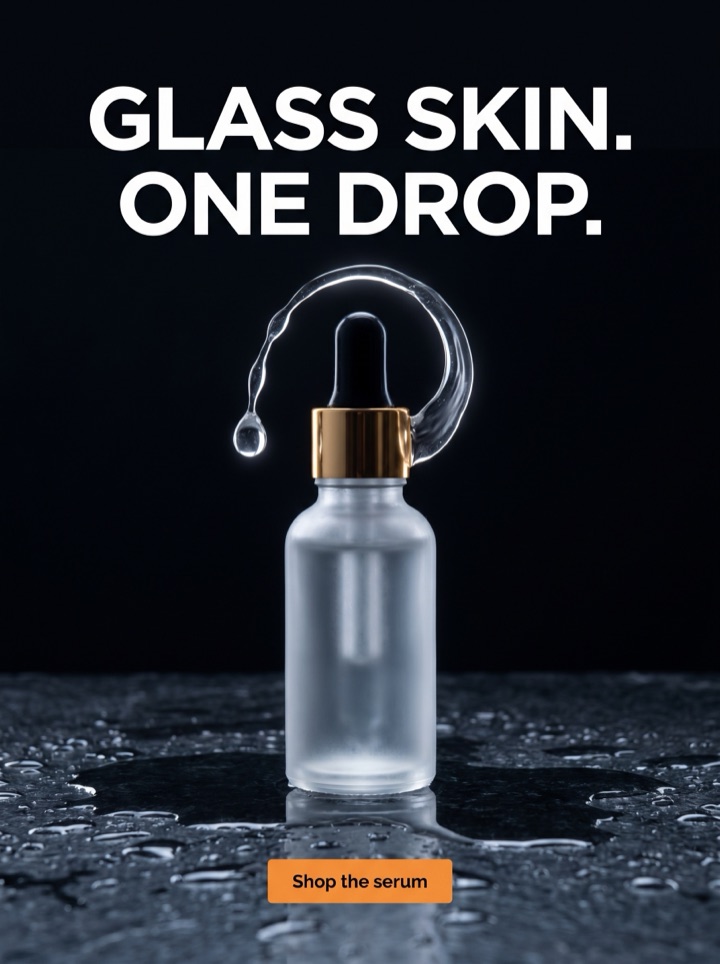
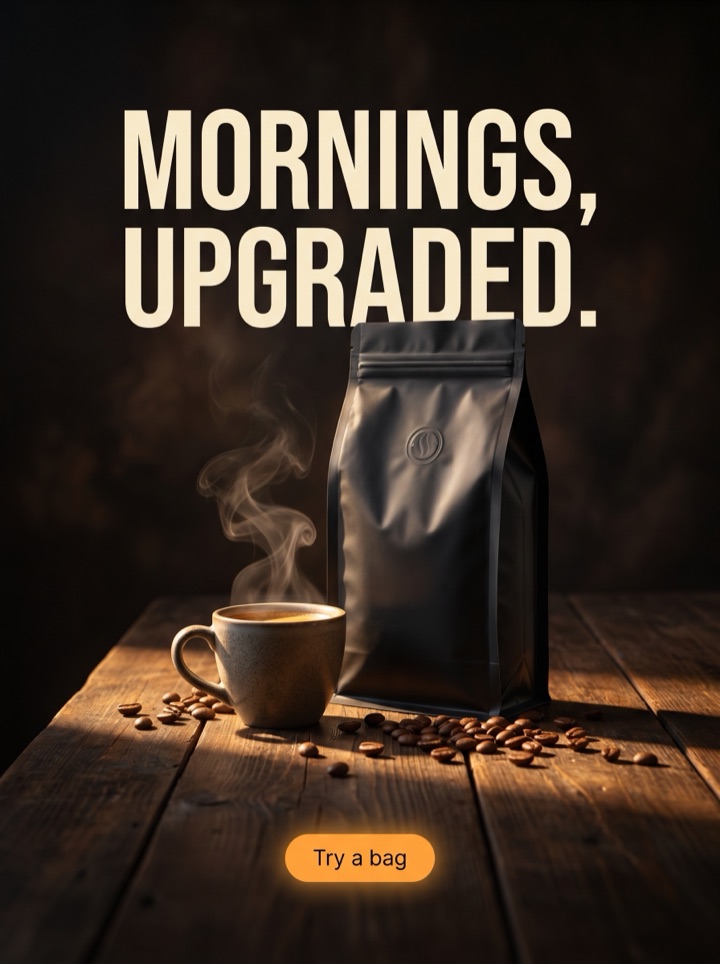
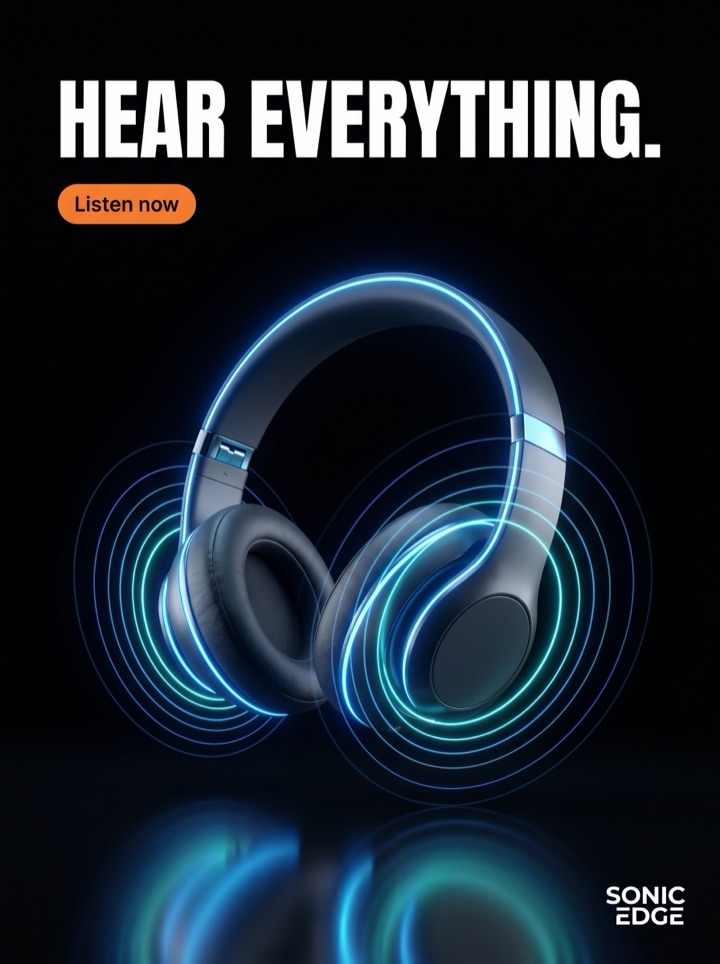
Each of these started as a single product photo, not a blank Canva artboard. Instead of dragging text boxes onto an empty frame, the layout, hook, and crop arrived already built. Use them to picture what the generator hands you before you touch a single element.



Methodology
Comparison method and disclosure.
We make Product AdKit, so this page is not neutral. It compares the job each tool is best for, cites public sources, and states where the other product is the better choice.
Sources checked
Prices and feature claims should be rechecked before major edits. This version was reviewed on June 4, 2026 against official Canva source and Product AdKit's shipped static-ad workflow.
Where Canva wins
Canva is the stronger choice for broad design work: decks, social posts, brand kits, collaboration, and one-off custom graphics.
Where Product AdKit wins
Product AdKit wins when a solo ecommerce founder needs static Meta ad angles from one product photo without starting on a blank canvas.
Campaign brief
Comparison points: Product AdKit vs Canva
Both tools end with an exportable ad, but the work in between is different. These are the honest workflow differences, not knocks against Canva. Canva is a fine product; it is just built for a different job than turning one photo into a pack of ad angles.
Broad design tool vs ad-pack workflow
Canva is a general design surface for decks, social posts, flyers, and almost anything else. Product AdKit only does one thing: take an ecommerce product photo and produce a pack of ad angles. Narrower scope, but no setup tax for the ad job.
Manual layout vs generated layout
In Canva you decide where the product sits, which template to start from, and how the type stacks for every variation. Product AdKit proposes the layout and offer placement, so you react to a finished angle and steer the next run, rather than starting from an empty frame.
Manual resize vs built-in sizes
Canva users resize each design by hand unless they are on a plan with the resize feature, and still re-check spacing per size. Product AdKit generates around ad placements, so square, feed, and story crops come from one pass.
You write the angles vs angles come back
A blank canvas does not suggest a hook. Product AdKit returns several buying reasons at once, such as discount, premium, proof, and bundle, so the first comparison is between angles instead of between fonts.
When Canva still wins
Reach for Canva when you want pixel control, a one-off custom graphic, or a non-ad asset like a pitch deck or a print piece. Product AdKit is the wrong tool for those, and that is fine.
When Product AdKit wins
Reach for Product AdKit when you need many on-brand ad variations this week and the product photo can carry the first impression. Volume and speed beat blank-canvas control here.
How it works
The same ad pack, without opening a blank Canva file.
1
Upload, do not start blank
Instead of opening an empty artboard and hunting for a template, drop in one product photo. That single asset is enough to seed the whole pack.
2
Get angles back, not a toolbar
The generator returns several buying reasons at once: proof, urgency, launch, premium, bundle, or a format-specific crop. No manual layout step in between.
3
Steer, do not build
Give direction on a layout that already exists — headline, CTA, color, crop — and regenerate, the way you would give notes on a finished comp rather than assemble one element by element.
4
Export the sizes together
Unlock high-res files once the angles are worth running, with square, feed, and story crops coming out together instead of one manual resize at a time.
Examples
Product AdKit vs Canva examples
In Canva, each of these would be a separate file you design from a template. Here they arrive as a set from one upload, so your first decision is which angle to run, not which empty layout to start.
Field notes
Product AdKit vs Canva field notes
If you have spent evenings nudging text boxes in Canva to get one ad right, these are the things that change when the layout comes pre-built. They are the human review layer that decides whether the generated pack is actually better than what you would have made by hand.
Creative review
- You stop choosing a starting template. The first screen already answers what the product is, who it is for, and why the ad deserves attention, so your review is editorial, not assembly.
- You stop fighting alignment. The product is sized larger than the decoration by default, where in Canva that balance is something you set by hand on every file.
- You stop building each angle from zero. Compare one proof-led version against one offer-led version side by side, instead of duplicating a Canva design and rewriting it.
- The safe starter layout is still product first, hook second, CTA third. Move price or discount copy up only when the offer is the real reason to click.
Placement review
- Automation does not excuse a tiny benefit line. Check the ad at phone width before export, exactly as you would proof a Canva design at the placement size.
- Keep one version calm and premium, one direct and promotional, and one proof-heavy. The generator gives you the variety; you decide which contrast is worth testing.
- Do not let the copy make a claim the product page cannot support. A generated headline can promise more than the landing page delivers, so read it the way you would read your own Canva copy.
Export review
- Unlock a paid pack when at least two previews show a genuinely distinct buying reason, not the same layout with a swapped headline. If they all look the same, a quick Canva edit may be the better call.
- If the product has packaging, texture, materials, ingredients, or scale to show, let those carry the proof rather than dropping in generic badges, just as you would resist clip-art stickers in Canva.
- The final export should be boring in the best way: product readable, offer clear, CTA obvious, and no roadmap-only format presented as if it ships today.
Sizes and exports
Sizes and exports for Product AdKit vs Canva
This is where the Canva resize step disappears. The shapes below come out of a single generation instead of one manual resize at a time. Static posters ship first; display and HTML5 exports stay clearly labeled as agency or roadmap workflows until they are enabled.
1:1 square
The default feed workhorse. Square keeps the product, hook, and CTA balanced without the per-file alignment work a blank Canva square needs.
4:5 feed
The tallest in-feed shape on Meta. Use it when the product wants a little more vertical room than a square but should still sit inside the feed.
9:16 story/reels
Full-screen mobile placement. The product drops lower and the hook sits up top, generated for top-to-bottom spacing rather than cropped from a square after the fact.
One pass, not four resizes
In Canva each of the above is usually a separate resize you re-check by hand. Here they arrive from the same upload, so the product stays consistent across every placement.
If your weekly job is more product ad variations and not a one-off custom graphic, the blank canvas is the slow part. Product AdKit centers the product workflow, so you spend your time choosing which angle to test and which placement to export, instead of arranging text boxes from an empty Canva frame. When you do need pixel control or a non-ad asset, Canva is still the right place for that.
Copy examples
Hooks, CTAs, and mistakes for Product AdKit vs Canva.
Headline hooks
- Love Canva, hate the blank canvas? Start from a finished ad instead.
- One product photo in, a pack of ad angles out, no template hunting.
- The ad pack you would have built in Canva, generated in a single pass.
- Skip the resize step: square, feed, and story from one upload.
- For founders who need ten ad variations this week, not one perfect file.
- Stop arranging text boxes. Start choosing which angle to test.
- Canva for the brand deck. Product AdKit for the weekly ad refresh.
- From product photo to export-ready ads without opening an empty artboard.
CTA examples
- Skip the blank canvas
- Generate a free preview
- See the ad pack
- Compare the workflows
- View pricing
Common mistakes
- Treating this as a feature checklist when the real difference is blank-canvas effort versus generated angles.
- Expecting Product AdKit to replace Canva for decks, flyers, or one-off custom graphics. It does not, and should not.
- Sticking with manual layout for a weekly variation task where volume and speed matter more than pixel control.
- Forgetting that Product AdKit produces copy, layouts, sizes, and exports together, so you compare angles instead of fonts.
- Assuming the generated headline is safe to ship without checking it against what the product page can actually back up.
Examples
Product AdKit vs Canva examples
Run this quick pass before you decide whether the generated pack beats reopening Canva for the same ad.
1
Did the generated angles save you the blank-canvas setup, or would a quick Canva edit have been just as fast?
2
Do at least two previews show a genuinely different buying reason, not the same layout with a new headline?
3
Are the live static formats clearly separated from roadmap formats such as HTML5 or video?
4
Is the product still readable after the ad is cropped into the square, feed, and story placements?
5
Does the headline make a promise the product page can actually back up, the way you would check your own copy?
FAQ
Product AdKit vs Canva questions
What is the real difference between Product AdKit and Canva?
Canva hands you a blank canvas and a library of templates you arrange by hand. Product AdKit skips the canvas: you upload one product photo and it generates a pack of finished ad angles with headlines, CTAs, and layouts already built around your product.
Do I have to design the layout myself like I do in Canva?
No. In Canva you place the product, pick a font, and align everything yourself for each variation. Product AdKit proposes the layout, hook, and offer placement for you, and you adjust the headline, CTA, and color direction rather than building from an empty frame.
Does Product AdKit handle ad sizes the way Canva resize does?
Product AdKit is built around ad placements, so square, 4:5 feed, and story crops come out of one generation. In Canva you typically resize each design manually unless you are on a plan with the resize feature, and you still re-check every layout by hand.
Can I export Product AdKit ads without a watermark?
Free previews are full-quality and view-only so you can compare angles first. Paid packs unlock high-res, no-watermark exports for the Meta sizes you choose.
Related tools