Product AdKit vs BannerBoo
Product AdKit vs BannerBoo
BannerBoo is a template-driven banner editor with an animation timeline for HTML5 and GIF display ads. Product AdKit starts a step earlier: upload one product photo and get a pack of static ad concepts to test, with display exports kept on the roadmap.
Free previews are full-quality and view-only. Unlock the full pack only when the static ads are worth exporting as high-res, no-watermark files with ZIP download and Meta sizes. Animated HTML5 banners, the kind BannerBoo specializes in, are roadmap, not a live export here.
Examples
Product AdKit vs BannerBoo examples
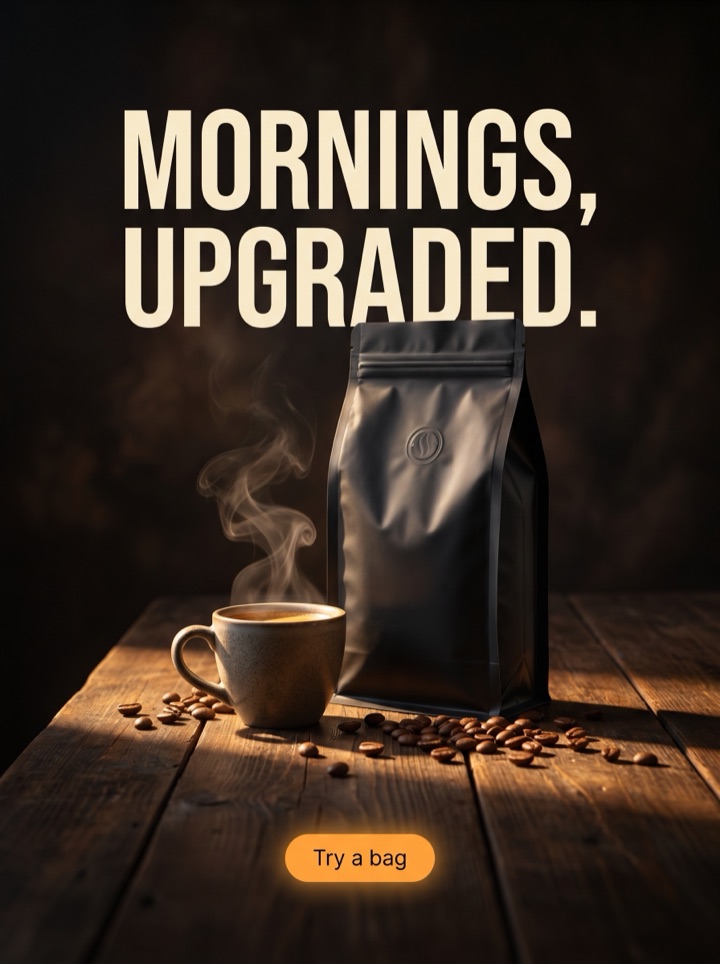
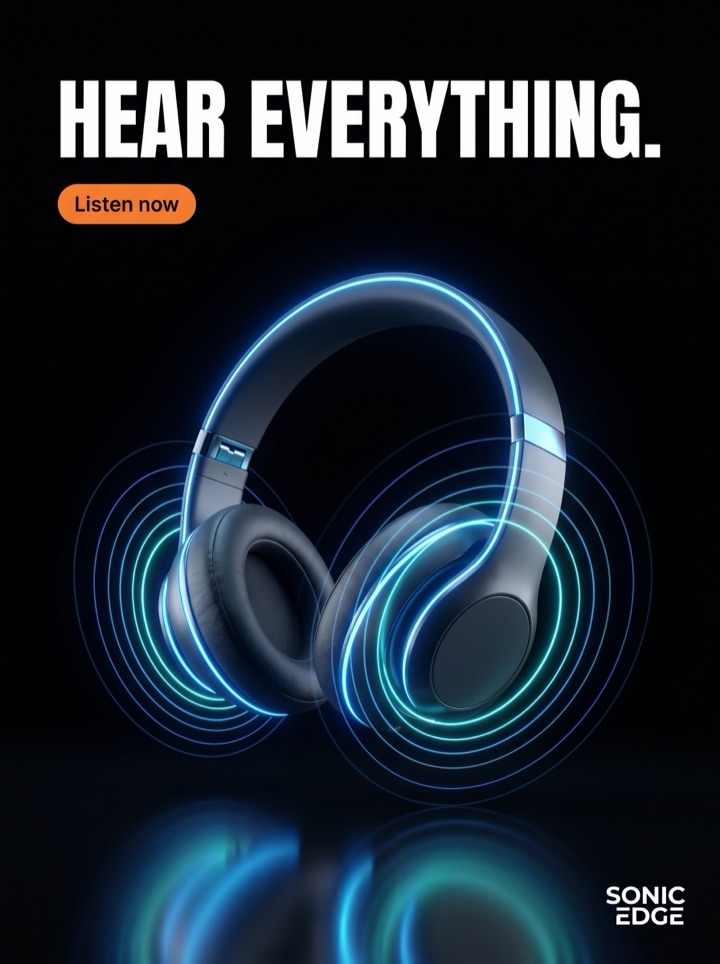
BannerBoo shows you a gallery of editable banner templates to start from. The cards below show the opposite move: static ad concepts Product AdKit generates around a single product photo, so the product, not a template frame, decides the layout. These are angle patterns to react to, not stock filler.




Methodology
Comparison method and disclosure.
We make Product AdKit, so this page is not neutral. It compares the job each tool is best for, cites public sources, and states where the other product is the better choice.
Sources checked
Prices and feature claims should be rechecked before major edits. This version was reviewed on June 4, 2026 against official BannerBoo source and Product AdKit's shipped static-ad workflow.
Where BannerBoo wins
BannerBoo is stronger for animated HTML5/GIF/MP4 banners, manual layer control, display sizes, and ad-network exports.
Where Product AdKit wins
Product AdKit wins before the banner-build step, when the founder needs static ad concepts and buying angles to test quickly.
Campaign brief
Product AdKit vs BannerBoo campaign brief
If you are weighing BannerBoo against Product AdKit, the real question is which job you have today: animating a display banner, or getting a batch of product ads to test. These notes help you decide which side of that line you sit on.
When BannerBoo fits
Reach for BannerBoo when you already know the layout you want and need to animate it: a moving HTML5 or GIF banner for a display network, built by hand on a timeline. That is its home turf, and Product AdKit does not try to replace the timeline.
When Product AdKit fits
Reach for Product AdKit when you have a product photo and no layout yet. It generates the first round of static concepts so you have something to react to, instead of opening an empty banner template and deciding everything yourself.
Asset to upload
Start with a clean product image with enough empty space for a headline and one visible detail, packaging, texture, or label, that an ad can point to. BannerBoo expects you to bring that layout sense; here the layout is generated for you.
First test
Generate a few static angles, then compare a promotional version against a calmer premium version. Keep the crop and offer consistent so you are testing the angle, not noise. This is faster than rebuilding the same idea across BannerBoo templates by hand.
Format choice
Export 1:1 square and 4:5 feed first, since those are static placements you can ship immediately. Animated display sizes, BannerBoo's specialty, stay on the Product AdKit roadmap rather than being offered as a live export.
Human review
Whichever tool you finish in, check that the headline could only belong to this product. A polished BannerBoo animation with a generic line still reads as filler; so does a clean static ad. The specific buying reason matters more than the motion.
How it works
How the Product AdKit flow differs from opening a BannerBoo template.
1
Lead with the product, not a frame
Instead of choosing a banner template first the way you would in BannerBoo, you upload the product photo and let it decide which crop, offer, and detail should lead.
2
Choose the buying reason
Generate angles that fit the campaign: proof, urgency, launch, comparison, premium, or bundle. BannerBoo gives you a canvas; here the angle and copy come prefilled so you can react.
3
Preview the pack
Review view-only static previews side by side before paying. You are comparing finished concepts, not nudging layers on a single template.
4
Export the static winners
Unlock high-res, no-watermark files once a layout is clearly testable in Meta. Animated HTML5, BannerBoo's output, stays roadmap and is never shown as live.
Comparison points
Product AdKit vs BannerBoo, by workflow
In BannerBoo you choose a template and then bend it toward your message. Product AdKit generates these angles directly from the product photo, so the buying reason is baked into the layout from the first preview.
Field notes
Product AdKit vs BannerBoo field notes
Practical notes from running both kinds of workflow: when the motion BannerBoo offers earns its keep, and when a static pack you can test today is the better move.
Creative review
- BannerBoo's animation is a real advantage on display networks where movement catches the eye. But motion cannot rescue a weak message, so settle the hook on a still frame first, then decide whether animation adds anything.
- If you are mostly buying Meta feed and stories, animated HTML5 matters less than you think; those placements often run static or short video, so a strong static pack covers more of your spend.
- When you do need motion, BannerBoo's timeline is the right tool. Product AdKit is the right tool for generating the static concept that motion would later be built on, not a replacement for the timeline itself.
- A static ad that reads in half a second usually beats an animated banner whose punchline only lands on the last keyframe, especially on a fast-scrolling feed.
Placement review
- BannerBoo starts you in a template and asks you to fit the product in. That is fine for a one-off, but it gets slow when you want ten variations, since each one is a manual edit.
- Generating from the product photo means the layout already accounts for your specific crop and packaging, instead of you resizing a stock frame to make the product fit.
- If you only need one polished banner and enjoy hand-placing layers, a template editor like BannerBoo will feel more controlled. If you need volume for a weekly refresh, generated concepts win on speed.
Export review
- Keep the product larger than the decoration in either tool. A busy animated background and a busy static background are the same mistake at different frame rates.
- Product AdKit exports high-res, no-watermark static files and a ZIP. It does not export animated HTML5 banner ZIPs today; if you need that this week, BannerBoo or a display-native tool is the honest answer.
- A paid static pack here is worth unlocking when at least two previews show a genuinely different buying reason, not the same layout with a swapped headline.
Sizes and exports
Sizes and exports for Product AdKit vs BannerBoo
BannerBoo is built around display banner sizes and animated HTML5 output. Product AdKit ships static social placements first; animated display and HTML5 exports stay clearly labeled as roadmap until enabled, never sold as live.
1:1 square
The static workhorse for Meta feed. Use it when the product, hook, and CTA need a balanced layout, no animation required to land the point.
4:5 feed
Use 4:5 when the product needs more vertical room than a square but still sits in feed. It is one of the highest-coverage static placements you can run.
9:16 story/reels
Full-screen mobile placement where the product and CTA need strong top-to-bottom spacing. Static here often outperforms an animated banner that was designed for a desktop display slot.
Display / HTML5 (roadmap)
Animated leaderboard and MPU banner sizes are BannerBoo's territory and Product AdKit's roadmap. They are listed honestly as not-yet-live, so you are never told a format ships when it does not.
BannerBoo hands you a template and an animation timeline to build a banner. Product AdKit decides what to make next for you, which product image to lead with, which hook to test, which static placement to export, so a solo founder can run a weekly refresh without learning a layer-based editor. Use BannerBoo when you want to animate a banner by hand; use Product AdKit when you want testable static ads fast.
Copy examples
Hooks, CTAs, and mistakes for Product AdKit vs BannerBoo.
Headline hooks
- BannerBoo animates banners. Product AdKit generates the static ads you test first.
- Skip the timeline: go from product photo to a pack of ad angles.
- Choose by the job, not the template count: hand-built banner or generated batch.
- Pick Product AdKit when this week's priority is more product ad variations, not one polished animation.
- No layer editor, no template shuffle, just concepts built around your product.
- One product photo, several reasons to buy, ready for Meta feed.
- For display motion, BannerBoo. For fast static testing, Product AdKit.
- The static concept comes first; the animation, if you need it, comes after.
CTA examples
- Compare the workflows
- Generate a free preview
- See the static ad pack
- Skip the timeline
- View pricing
Common mistakes
- Picking BannerBoo for animation when most of your spend is static Meta feed and stories.
- Choosing Product AdKit and expecting animated HTML5 export today; that is roadmap, not live.
- Hand-editing ten near-identical banner templates when you actually need a fast batch of variations.
- Letting motion stand in for a message; the hook has to work on a still frame first.
- Comparing raw feature lists instead of the job you have this week: animate one banner, or test many static ads.
Comparison points
Product AdKit vs BannerBoo, by workflow
A quick human pass before you commit to one tool or turn previews into production ads.
1
Is the job in front of you animation (a BannerBoo strength) or fast static variations (a Product AdKit strength)? Name it before you start.
2
Does your hook work on a single still frame, before any motion is added? If not, no timeline will save it.
3
Have you kept animated HTML5 in the roadmap column rather than assuming Product AdKit exports it today?
4
Is the product still the largest, most readable element after the ad is cropped into its target placement?
5
Do at least two of your variations show a genuinely different buying reason, not one layout with swapped text?
FAQ
Product AdKit vs BannerBoo questions
Is Product AdKit a replacement for BannerBoo?
Not exactly. BannerBoo is a banner editor built around templates and an animation timeline, so it shines when you want to hand-place layers and animate them. Product AdKit covers the earlier step: it turns one product photo into a set of static ad concepts with hooks, layouts, and sizes, so you have something to test before you ever open an editor.
Does Product AdKit make animated HTML5 banners like BannerBoo?
Not today. BannerBoo's core output is animated HTML5 and GIF banners for display networks. Product AdKit generates static product ad posters first; animated and display HTML5 ZIP export is on the roadmap and is labeled as such, never presented as a live feature.
Why start with a product photo instead of a BannerBoo template?
With BannerBoo you pick a template, then drop your product into it and adjust the layout to fit. Product AdKit reverses that: the product photo leads, and the layout, hook, and crop are generated around it, so the ad is built for your specific product rather than retrofitted into a stock frame.
Can I edit the ads, and can I export without a watermark?
Each ad is a finished image with the text baked in — you steer the direction, offer, and reference before you generate, then regenerate or make more like the winners. Per-banner timeline editing is BannerBoo's strength, not Product AdKit's. Free previews are full-quality and view-only; paid packs unlock high-res, no-watermark static exports and ZIP download.
Related tools