best seller ad generator
Best Seller ad generator
Turn a product photo into best-seller ad variations that lead with proven demand, sales rank, and review counts for Facebook, Instagram, and paid social testing.
Free best-seller previews are full-quality and view-only. Unlock the full pack only when the proof reads clearly and the ad is worth exporting as high-res files, no-watermark assets, ZIP download, and Meta sizes.
Examples
Best Seller ad generator examples
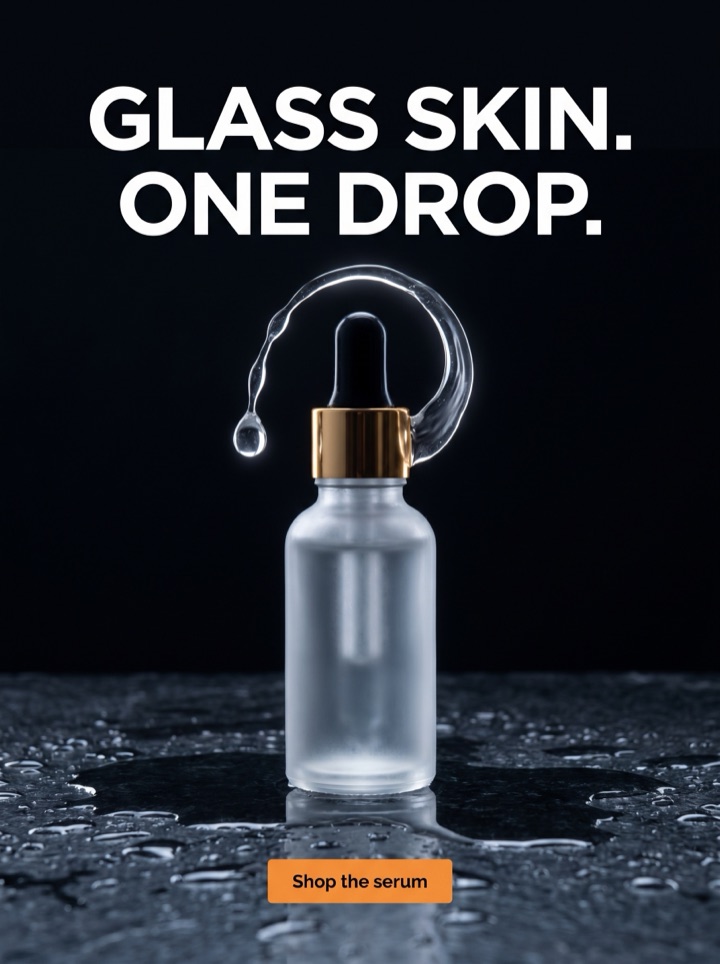
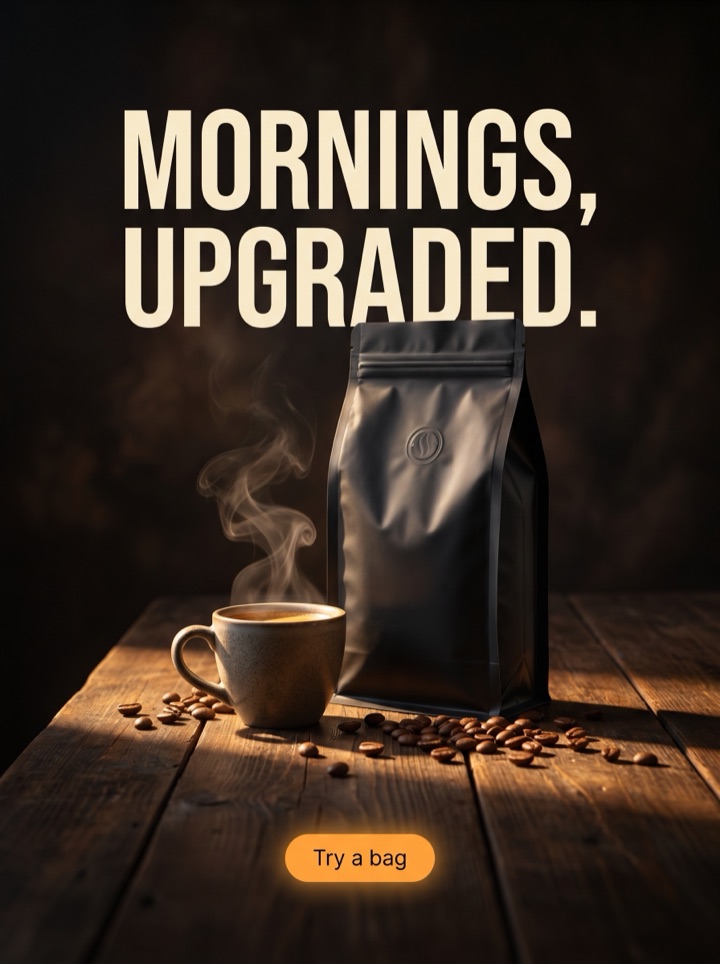
Every layout below leads with proven demand: a rank line, a review count, or a sell-out signal earns the first second, and the product photo confirms the claim. These are the patterns that make a "this is the one everyone buys" ad read in feed, not stock-gallery filler.




Campaign brief
Best-seller ad campaign brief
The best-seller angle works on one psychological shortcut: if a crowd already chose this, it is probably safe to buy. The job of the creative is to make that crowd visible in the first second. Use these notes to turn proven demand into a testable ad.
Best use
Run the best-seller angle when you actually have demand to point at: a top SKU, a strong review base, or a product that keeps selling out. It rewards momentum, so it works best on a proven product, not a brand-new launch with no track record.
Asset to upload
Upload the photo of your hero product with clear space near the top for a rank badge or counter. The proof stat and the product should never fight for the same corner of the frame.
First test
Run a rank-led version ("#1 in category") against a volume-led version ("over 40,000 sold") on the same product crop. You are testing which proof signal your audience trusts more, not changing the product.
Format choice
Export 1:1 square and 4:5 feed first, where the proof number sits comfortably above the product. Add display or HTML5 formats only when the rank line still reads at the smaller placement size.
Copy direction
Use Shop the bestseller when the proof is the whole pitch. Use See why it sells when the audience is colder and needs the reason behind the demand before they click.
Human review
Check that the proof claim is true and specific. "Best seller" with no number is a slogan; "best seller, 12,000 five-star reviews" is the angle. If you cannot back the line, drop it.
How it works
Build a best-seller ad around proof your buyer can verify.
1
Pick your strongest proof
Decide which signal carries the ad: sales rank, units sold, review count and star rating, or a repeat sell-out. Lead with the one a skeptical shopper would find most believable for your category.
2
Give the number top billing
Generate layouts where the proof stat sits above or beside the product, not buried in body copy. The shortcut only works if the crowd is visible before the shopper reads anything else.
3
Preview the proof variants
Review view-only previews of rank-led, volume-led, and review-led versions so you can see which proof signal reads cleanest in feed before you pay.
4
Export the believable winner
Unlock high-res files only when the proof is legible and accurate at placement size. A best-seller claim that the landing page cannot confirm wastes the click.
Examples
Best-seller ad examples
Best-seller is your proof-of-demand control. Pair it with the angles below to learn whether your audience buys on social proof, on urgency, or on the product story. Product AdKit gives each one a layout, not just a swapped headline.
Field notes
Best-seller ad field notes
These notes are specific to running the proof-of-demand angle. They are the human review layer that keeps a best-seller ad credible instead of just loud.
Creative review
- The proof has to be specific. "Best seller" alone is wallpaper; "#1 in skincare, 18,000 reviews" gives the brain a number to grab. Pick the most concrete signal you can defend.
- Match the proof to the audience. Cold traffic trusts review counts and star ratings; warm traffic that already knows the category responds to rank and sell-out signals.
- If the only proof you have is "we think it's great," this angle is the wrong one. Run a product-story or before/after ad until you have real demand to point at.
- Round honestly. "Over 40,000 sold" reads better than "41,388 sold" and is still true. Precision that looks invented hurts trust more than it helps.
Placement review
- Check the proof number at phone width before export. A rank badge that looks crisp on desktop often turns to mush in a 4:5 feed crop, and a blurry proof stat reads as fake.
- Keep the stat and the product in separate zones. When a "#1 best seller" badge overlaps the product, both get harder to read and the credibility drops.
- For the first test, build a rank-led, a volume-led, and a review-led version of the same product. That isolates which proof signal your audience actually buys on.
Export review
- Every number on the ad must be defensible if a buyer asks. A best-seller claim the landing page cannot confirm gets the click and then loses the sale at a worse cost.
- Do not borrow another platform's rank. If "#1" came from a marketplace, do not imply it is a Google or sitewide rank. Name the source or drop the word.
- The good export is boring and true: product readable, one clear proof signal, CTA obvious, and no roadmap-only format presented as live.
Sizes and exports
Sizes and exports for best-seller ads
For the best-seller angle, the export shape has to keep the proof number legible. Static posters are available first; display and HTML5 exports stay clearly labeled as agency or roadmap workflows until enabled.
1:1 square
Use 1:1 square when the rank badge or review count can sit cleanly above a centered product without crowding either element.
4:5 feed
Use 4:5 feed when the proof stat needs its own band at the top and the product still wants vertical room in the feed.
9:16 story/reels
Use 9:16 story/reels when the sell-out or "back in stock" signal can run full-width at the top and the product fills the lower screen.
Facebook feed
Use the Facebook feed crop when you want the review count and stars beside the product so the proof is the first thing read on desktop.
The hard part of the best-seller angle is not the design, it is deciding which proof signal to lead with and keeping the claim honest. Product AdKit hands you rank-led, volume-led, and review-led versions of your hero product so you can test the believable winner instead of staring at a blank canvas.
Copy examples
Hooks, CTAs, and mistakes for the best-seller angle.
Headline hooks
- The one 18,000 reviews keep recommending.
- #1 in [category] for a reason. See it.
- Sold out three times. Back in stock.
- Over 40,000 sold. Here is what they know.
- Our best seller, and it is not close.
- The product our customers reorder most.
- Rated 4.8 stars by 12,000 buyers.
- Everyone's buying it. Here's why.
CTA examples
- Shop the bestseller
- See why it sells
- Join 40,000 buyers
- Get the one everyone buys
- Read the reviews
Common mistakes
- Saying "best seller" with no number, so the claim reads as a slogan instead of proof.
- Running the angle on a brand-new product with no demand to point at yet.
- Making the rank badge or review count too small to read once the ad is cropped for feed.
- Implying a marketplace rank is a sitewide or Google rank, which the landing page then has to walk back.
- Inventing oddly precise figures that look manufactured, when an honest rounded number would build more trust.
Examples
Best-seller ad examples
Use this checklist as a human quality pass before turning a best-seller preview into a production ad.
1
Is the proof signal a specific number a skeptical shopper could verify, not just the words "best seller"?
2
Can the landing page confirm the exact claim the ad makes, including the source of any rank?
3
Does the proof stat read clearly at phone width after the ad is cropped for feed or story?
4
Do the stat and the product sit in separate zones instead of overlapping and muddying each other?
5
Does the test isolate one proof signal per version, so you learn what your audience actually buys on?
FAQ
Best Seller ad generator questions
What makes a best-seller ad different from a normal product ad?
A best-seller ad leads with proven demand instead of a feature list. The hook says other people already chose this product, so the creative gives a sales-rank line, a review count, or a sell-out signal top billing and lets the product photo confirm it.
What proof do I need before running a best-seller angle?
Use a number you can stand behind: a real units-sold figure, a verified review count and star rating, a #1-in-category position, or a restock cadence. Product AdKit gives you the layout, but the claim has to match what your product page can show, or the click bounces.
Can I edit the proof numbers and best-seller copy?
Feed in the exact figure before you generate — the best-seller headline, rank or review stat, CTA, and layout are baked in from your direction. Use your real number, regenerate if it changes, and the claim stays honest through paid export.
Can I export best-seller ads without a watermark?
Free best-seller previews are full-quality and view-only. Paid packs unlock high-res, no-watermark exports and ZIP download when that workflow is available.
Related tools