supplement ad generator
Supplement ad generator
Most supplement ads die in review, not in the auction — Meta rejects personal-attribute hooks ('struggling with low energy?') and anything that smells like a treatment claim. The angles that survive talk about the product: ingredients, dosages, certifications, the routine it slots into. Upload one product photo and get a pack built around what you can actually say.
Generate a free preview — full-quality and view-only, no credit card — and use that pass to read the baked-in text the way a Meta reviewer would. The $29 pack unlocks 10 high-res, no-watermark concepts in the Meta sizes; only QA-passed ads spend credits, and under 12 auto-refunds the difference.
Examples
Supplement ad generator examples
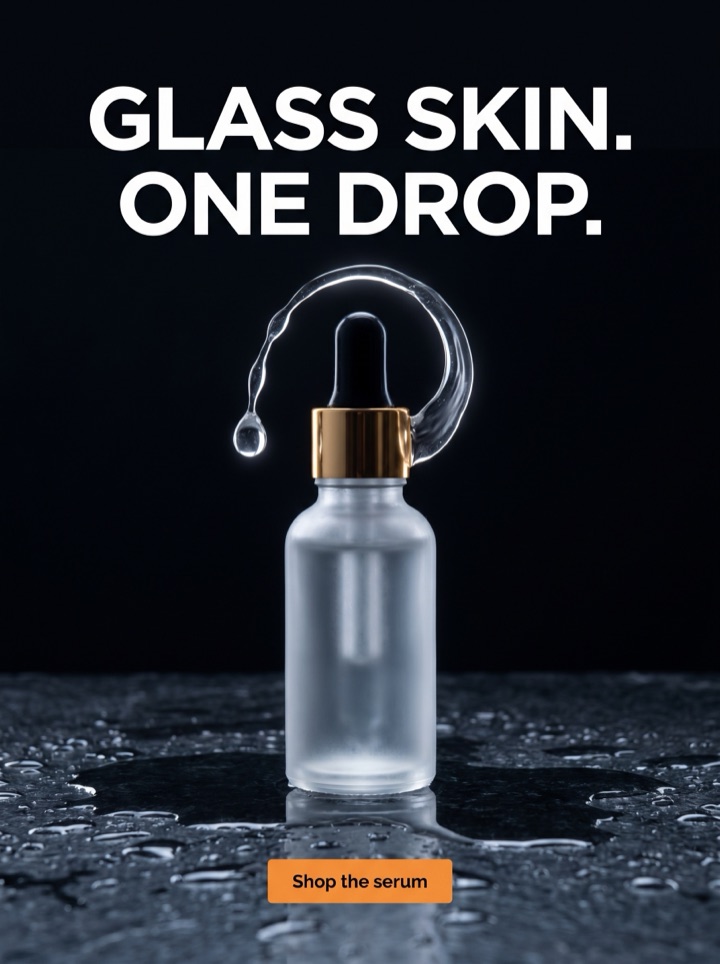
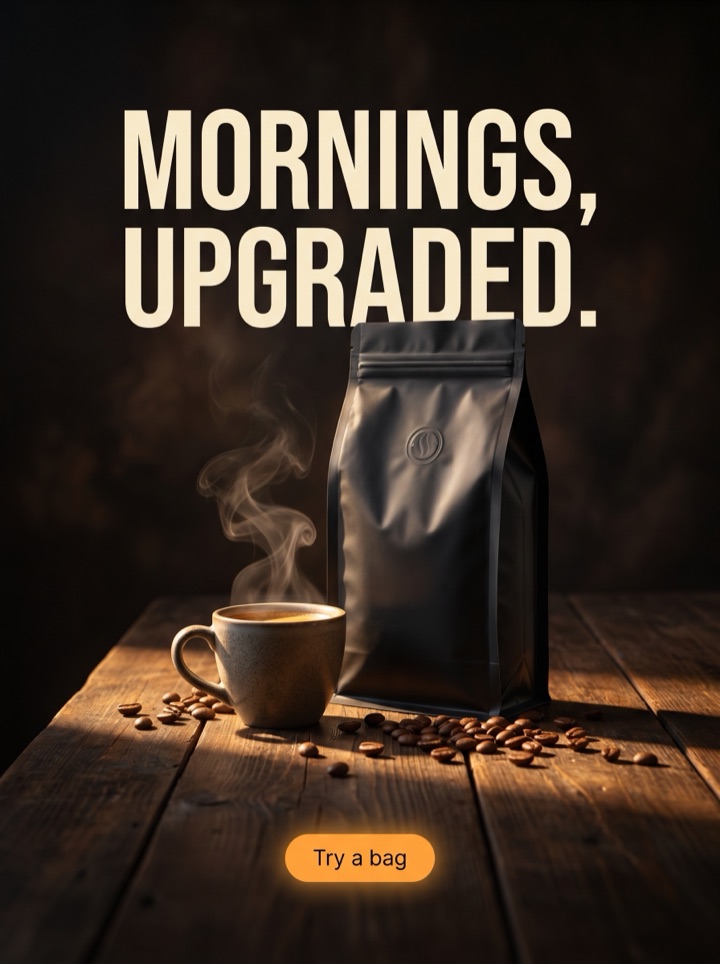
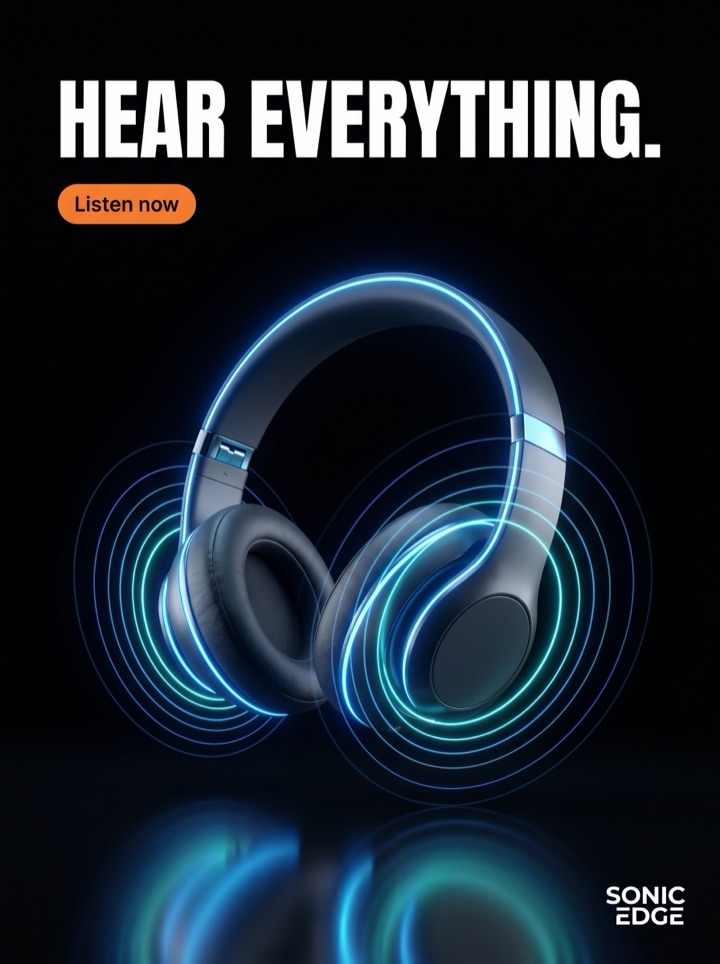
All six below come from one supplement photo, and all six stay on the right side of the line: they describe the product — what's in it, how much, who verified it — not the viewer's body or what the product will fix. That constraint isn't a limitation; it's the entire playbook for ads that clear review and keep the ad account healthy.



Campaign brief
Supplement Ad Generator campaign brief
A useful supplement product ads page should give the visitor a better creative decision than they had before arriving. Use these notes to turn the keyword into a practical ad test.
Best use
Use the generator when you need a compliant creative refresh fast — supplement creative fatigues quickly, and every manual redesign is another chance for a risky claim to slip in. Steering angles around ingredients and certifications keeps the refresh inside the lines.
Asset to upload
One sharp photo of the actual bottle or pouch with the label legible. The label is your best compliance asset — facts panel, certifications, serving count — so don't crop it out of the source photo.
First test
Test an ingredient-led angle (named compound, real dosage) against a certification-led angle (third-party tested, GMP). Both are compliant; the test tells you whether your buyers trust chemistry or auditors more.
Format choice
1:1 and 4:5 feed first — supplement discovery is feed-driven and label detail needs the pixels. 9:16 story suits routine angles, product in context up top and copy below. Pin earns its slot for evergreen ingredient-education angles people save.
Copy direction
Steer with what the label proves: compound names, dosages per serving, certifications, serving counts. Never steer toward outcomes ('for better sleep') or toward the viewer ('do you struggle with...'). Text is baked into the poster, so a rejected claim means regenerating, not editing.
Human review
Read every baked-in line as a Meta reviewer and as an FTC lawyer: no disease names, no 'treats/cures/fixes', no before-after implication, no 'you' statements about the viewer's health. If a structure/function phrase survives, make sure your label and supplier documentation back it.
How it works
Build Supplement Ad Generator creative around a real buying reason.
1
Upload the bottle
One clean shot with the label readable. The facts panel, certifications, and serving count on that label are the raw material for every compliant angle.
2
Steer with the label
Set the direction using what you can prove: ingredients, dosages, certifications, routine. The text is baked into each poster, so compliance happens here — before generation, not in an edit pass.
3
Review like a reviewer
Previews come back in a few minutes, view-only. Read every headline for personal-attribute and health-claim language before anything else — a beautiful rejected ad is worth nothing.
4
Export the survivors
Unlock high-res, no-watermark files in 1:1, 4:5, 9:16, feed, and pin for the angles that pass both your compliance read and the thumbnail test. Under 12 QA-passed auto-refunds the difference.
Ad angles included
Ad angles for Supplement ad generator
Supplement advertising is the rare category where the constraint is the strategy. You can't talk about the viewer's body, and you can't promise outcomes — so the winning ads talk about the product with unusual specificity: the compound and its dose, the third party that tested it, the routine slot it fills. Every angle on this page is built around that line, because your ad account depends on staying on the right side of it.
Field notes
Supplement Ad Generator field notes
These field notes are a quick human quality pass before you turn previews into production ads.
Creative review
- The fastest compliance check: does the headline talk about the product or the viewer? 'Magnesium glycinate, 400mg' is about the product. 'Tired of restless nights?' is about the viewer — that's a personal-attribute flag and a likely rejection.
- Banned-word sweep before anything else: cure, treat, heal, fix, prevent, plus any disease or condition name. Any of these in baked-in poster text means regenerate, not run.
- Dosage is the most underused compliant claim. '400mg per serving' is specific, verifiable, and says more than any adjective — and most competitors hide it.
- Certifications are headline material, not footer material: third-party tested, NSF, GMP, non-GMO. They're the trust transfer that replaces the outcome promise you can't make.
Placement review
- Routine framing is the compliant way to imply a place in someone's life: 'two capsules with breakfast' positions the product without promising what it does to a body.
- Structure/function language ('supports', 'contributes to') is regulated, not free: if you steer toward it, the claim needs your label and supplier documentation behind it — and Meta may still push back.
- Before-and-after implications can be visual, not just verbal — a tired-face-to-bright-face layout is a claim. Keep the imagery on the product, not on bodies changing.
Export review
- The supplement-facts label blown up large as the hero is a legitimately strong angle: transparency reads as confidence, and it's the one asset no competitor can copy exactly.
- Account health compounds: one rejected ad is a nuisance; a pattern of rejections throttles the whole account. The boring compliant pack that runs beats the clever risky pack that doesn't.
- If an angle clears Meta but overpromises against your landing page, cut it anyway — the FTC reads further than Meta does.
Sizes and exports
Sizes and exports for Supplement ad generator
For supplement product ads, the export shape should support the product story. Static posters are available first; display and HTML5 exports stay clearly labeled as agency or roadmap workflows until enabled.
1:1 square
Use 1:1 square when the supplement product ads concept needs a balanced product, hook, and CTA layout.
4:5 feed
Use 4:5 feed when the product in supplement product ads needs more vertical room than a square ad but still appears in feed.
9:16 story/reels
Use 9:16 story/reels for full-screen mobile placements where the product and CTA for supplement product ads need strong top-to-bottom spacing.
Facebook feed
Use Facebook feed when the product in supplement product ads needs more vertical room than a square ad but still appears in feed.
Supplement Ad Generator pages should help a founder decide what to make next: which product image to use, which hook to test, which placement to export, and what should stay locked behind a paid pack. That is why Product AdKit centers the product workflow instead of offering a generic design surface.
Copy examples
Hooks, CTAs, and mistakes for Supplement ad generator.
Headline hooks
- Magnesium glycinate. 400mg. Nothing else in the capsule.
- Third-party tested, every batch. Results are on our site.
- Read the label. That's the whole pitch.
- Two capsules with breakfast. The rest of the routine is yours.
- 60 servings. Zero fillers. One ingredient you can pronounce.
- NSF certified — because 'trust us' isn't an ingredient.
- The facts panel we're proud to enlarge.
- Subscribe once. The next bottle ships itself.
CTA examples
- Shop Supplement
- Try the Supplement
- See the offer
- Build my ad pack
- Get the bundle
Common mistakes
- Addressing the viewer's body in the hook ('low energy?', 'can't sleep?') — personal-attribute language is a top rejection reason on Meta.
- Letting a treatment claim into baked-in text — 'cures', 'treats', 'fixes', or any condition name can't be edited out later, only regenerated.
- Implying a before-and-after visually even when the words are clean — imagery of bodies changing is a claim.
- Using structure/function phrases like 'supports immunity' without label and supplier documentation to back them.
- Hiding the dosage and leaning on adjectives — 'potent' is filler; '400mg per serving' is an ad.
Editorial review
Supplement Ad Generator review checklist
Use this supplement product ads checklist as a human quality pass before turning previews into production ads.
1
Does every headline talk about the product, not the viewer's body or state?
2
Zero disease names, zero 'treats/cures/prevents', zero before-after implication — verbal or visual?
3
Is every structure/function phrase backed by your label and supplier documentation?
4
Do the dosage, serving count, and certifications in the ad match the label exactly?
5
Would the landing page survive the same compliance read as the ad pointing to it?
FAQ
Supplement ad generator questions
Why do supplement ads keep getting rejected on Meta?
Usually one of two tripwires: personal-attribute language that addresses the viewer's health ('do you have low energy?'), or implied health claims — treating, curing, preventing, or naming a condition. The fix isn't rewording the same idea; it's switching the angle to product facts: named ingredients, dosages, certifications, and routine placement.
Will the generator write health claims for my supplement?
You control the direction, and the right direction is the label: steer toward compound names, dosages, serving counts, certifications, and routine framing. Because text is baked into each poster, review every line before running — this page's checklist is the pass to apply. Anything that talks about the viewer's body or promises an outcome should be regenerated, not rationalized.
What can a supplement ad actually say?
Product facts, stated plainly: what's in it ('magnesium glycinate'), how much ('400mg per serving'), how many servings, who verified it (third-party tested, NSF, GMP), and where it fits in a routine ('two capsules with breakfast'). Cautious structure/function phrasing is possible only with documentation behind it. Disease names, treatment language, and before-after implications are off the table — verbally and visually.
How does pricing work, and what if ads fail QA?
The first preview is $0 and view-only, with no credit card. The $29 Product Pack delivers 10 ad concepts; $49 covers two products and $59 adds Premium 3D. Only QA-passed ads spend credits, and if fewer than 12 pass, the difference is automatically refunded — you never pay for ads that didn't clear the bar.
Related tools