home decor ad generator
Home Decor ad generator
Upload one photo of a vase, lamp, throw, print, or planter and generate room-styled ad angles — new-collection drops, seasonal refreshes, gift sets, material and craft callouts, and customer-styled social proof.
Free previews are full-quality and view-only so you can judge the room styling and finish before paying. Unlock the full pack only once a layout actually makes the piece look at home — then it exports as high-res, no-watermark files in Meta feed, square, and story sizes.
Examples
Home Decor ad generator examples
Decor sells on context: shoppers buy the room they imagine, not the object on white. The examples below are ad-pack patterns built around that — styled scenes, finish close-ups, and gift framing — not stock-gallery filler.





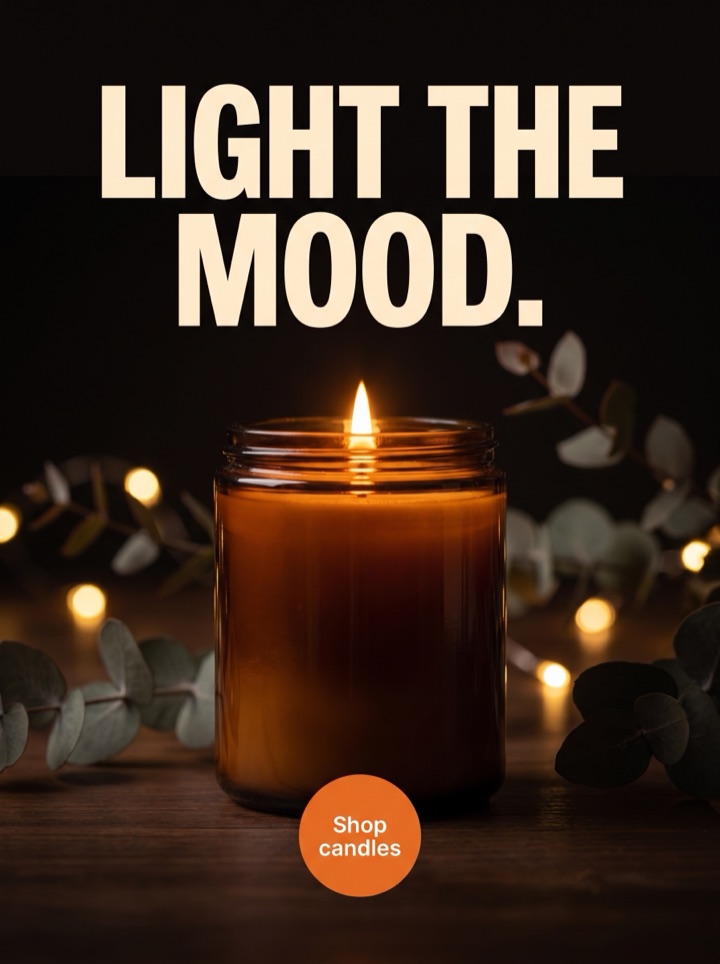
Campaign brief
Home decor ad generator campaign brief
A home decor ad lives or dies on whether the shopper can picture the piece in their own space. Use these notes to turn one product photo into a styled, testable ad pack.
Best use
Reach for this when you have a single hero shot of one piece — a vase, lamp, mirror, or print — and need it placed in a believable room before it can run as a paid-social ad.
Asset to upload
A clean, well-lit cut-out works best: even lighting, true color, and the texture visible. If the finish is the selling point — glaze, grain, weave, patina — make sure that detail is sharp in the source file.
First test
Pit a styled-room scene against a tight finish close-up for the same piece. One sells the vibe, the other sells the craft — which earns the click usually tells you how your audience shops.
Format choice
Export 4:5 feed and 9:16 story first, since most decor browsing happens on a phone. Reserve wide and display crops for retargeting once the styled scene still reads when it shrinks.
Copy direction
Lead with the room outcome ("Warms up a bare corner") rather than the SKU. Save dimensions, material, and care notes for a secondary line so the hook stays about the feeling.
Human review
Check that the styled scene matches the price point. A budget planter staged in a designer loft sets an expectation the product page can't keep, and the return rate shows it.
How it works
Build a home decor ad around the room a shopper wants.
1
Start with the piece
Pick the one shot that shows the object cleanly. The generator handles the surrounding scene — shelf, mantel, bedside, or styled tabletop — so you don't need a photoshoot.
2
Pick the buying reason
Choose an angle that fits how decor sells: new-collection drop, seasonal refresh, gift set, finish and craft proof, or customer-styled social proof.
3
Preview the styling
Look at the view-only previews and judge whether the room feels real and on-brand before you spend on the full pack — steer and regenerate if it misses.
4
Export what you'll run
Unlock high-res, no-watermark files once a layout makes the piece look like it belongs in the buyer's home and reads at feed and story size.
Examples
Home Decor ad generator examples
Decor shoppers buy a feeling and a finished room. These are the angles that move pieces — each one builds a layout where the object reads clearly and the scene does the selling.
Field notes
Home decor ad field notes
The things that actually trip up decor ads — staging, scale, and finish — and the checks that keep a styled scene honest enough to convert.
Creative review
- The scene should flatter the piece, not bury it. If the eye lands on the sofa or the plant before the lamp you're selling, the styling is winning the wrong battle.
- Keep the room palette in the same family as the product so the piece looks like it belongs there rather than dropped in. A cool grey object in a warm terracotta room reads as a paste-up.
- Watch the scale. A small ceramic dish staged next to oversized props looks tiny; a big floor mirror staged in a cramped frame looks cheap. Match the prop scale to the real dimensions.
- Run one styled-room version against one finish close-up. Lifestyle wins on cold audiences; the macro texture shot often wins on people who already know the brand.
Placement review
- Decor browsing is overwhelmingly mobile, so check the ad at phone width first. Fine grain and subtle glaze that look gorgeous on desktop can flatten to grey mush in feed.
- Keep one version calm and editorial, one gift- or seasonal-led, and one proof-heavy with a review quote. That spread tells you fast whether your audience buys on aesthetics or reassurance.
- Don't let the styled scene promise a level of finish or color the product can't deliver in the box. The ad accelerates the click; the unboxing has to back it up or the returns pile up.
Export review
- A paid pack is worth unlocking when at least two previews show genuinely different buying reasons — say a gift angle and a small-space-fix angle — not one room reshuffled.
- If the piece has real selling details — hand-thrown marks, solid-oak grain, organic cotton, exact dimensions — let those carry the proof instead of stacking on generic "premium quality" badges.
- The final export should be calm and clear: piece readable, room believable, one CTA, and nothing presented as live that's still on the roadmap, like motion or display ZIP export.
Sizes and exports
Sizes and exports for home decor ads
Pick the crop that lets the room breathe around the piece. Static posters export first; display and HTML5 formats stay clearly labeled as agency or roadmap workflows until they're enabled.
1:1 square
The safe default for a single styled object — a vase on a shelf or a lamp on a nightstand — where the piece, a short hook, and the CTA share one balanced frame.
4:5 feed
The workhorse for decor. The extra height lets you show a piece and the surface it sits on — console, sofa arm, mantel — so the room context comes through in feed.
9:16 story/reels
Full-screen mobile, ideal for a top-to-bottom room scene: a print above a styled console or a throw cascading down a chair, with the CTA anchored low.
Facebook feed
A wider crop for desktop and right-rail placements, useful for set and bundle layouts where two or three coordinated pieces need room to sit side by side.
Most decor founders are stuck choosing between a flat white-background SKU and an expensive styled shoot. Product AdKit gives you a third path: upload the piece, get believable room scenes and finish close-ups you can test this week, and only pay once a layout makes the product look like it belongs in someone's home.
Copy examples
Hooks, CTAs, and mistakes for home decor ads.
Headline hooks
- The corner that finishes the room.
- Warm up the bare wall.
- Small space, big upgrade.
- Hand-finished. No two alike.
- The piece guests always ask about.
- Refresh the room without repainting.
- Built to be the thing they notice first.
- Wrapped, gift-ready, on its way.
CTA examples
- Shop the look
- See it in a room
- Style my space
- Get it gift-wrapped
- Bring it home
Common mistakes
- Running the flat white-background SKU as the ad, so the shopper never sees the piece in a room they can picture.
- Styling the scene so heavily that the sofa, plant, or props outshine the product you're actually selling.
- Mismatching scale — a tiny trinket staged like a statement piece, or a large item crammed into a frame that hides its size.
- Staging a budget item in an aspirational loft, setting a finish-and-quality expectation the box can't keep.
- Shipping only one angle when a gift version, a seasonal version, and a finish close-up would each reach a different buyer.
Examples
Home Decor ad generator examples
Run this quick pass before you turn a styled preview into a production ad and put spend behind it.
1
Could a shopper picture this piece in their own room, or does the staged scene only work in this exact set?
2
Is the product still the clear hero, or is a prop — the plant, the sofa, the window light — stealing the frame?
3
Does the prop scale honestly show how big the item really is, so nobody is surprised when it arrives?
4
Does the room's price-point signal match the actual product, so the styling doesn't oversell the finish?
5
Are roadmap formats like motion or HTML5 clearly held back, with only static crops presented as ready to run?
FAQ
Home Decor ad generator questions
My home decor photo is on a plain studio background. Can the ads still feel styled?
Yes. A clean cut-out of a vase, throw, lamp, or print is a good starting point. The generator builds the surrounding scene — shelf, sofa corner, mantel, or styled tabletop — so the piece reads as something a shopper can picture in their own room, not a product on white seamless.
Can I make the material and finish a selling point in the ad?
Yes. Texture is how decor sells, so the layout keeps the crop close enough to read hand-glazed ceramic, brushed brass, oak grain, or chunky-knit weave. Set the callout copy and crop direction before you generate, and regenerate before you pay so the finish, dimensions, and care notes match your product page.
Will these work for gift and seasonal home decor campaigns?
Yes. You can generate a gift-led angle, a seasonal-refresh angle, and an evergreen styling angle for the same piece, then test which one earns the click. Meta-ready square, feed, and story crops are produced first; HTML5 and video formats stay labeled as roadmap until they are live.
Can I export home decor ads without a watermark?
Free previews of your home decor ads are full-quality and view-only so you can judge the styling first. Paid packs unlock high-res, no-watermark files once a layout is genuinely worth running.
Related tools