beauty product ad generator
Beauty Product ad generator
Upload one beauty product photo — serum, lipstick, haircare, or fragrance — and generate ad angles built for the category: ingredient callouts, before/after results, shade range, scent story, and review proof.
Free beauty ad previews are full-quality and view-only. Unlock the full pack only once a swatch reads true, the ingredient or result claim holds up, and the layout is worth exporting as high-res, no-watermark files in Meta sizes.
Examples
Beauty Product ad generator examples
Beauty ads live or die on whether the shopper trusts the result. These example layouts cover the angles that actually move skincare, makeup, haircare, and fragrance — ingredient proof, before/after, shade range, and scent story — not generic product-on-gradient filler.
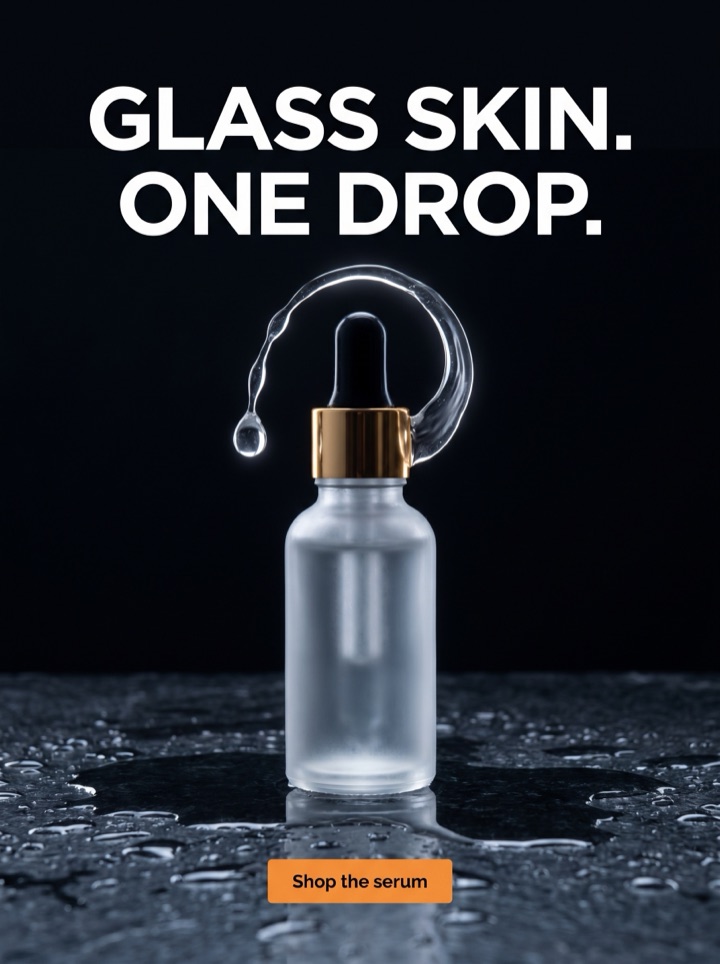

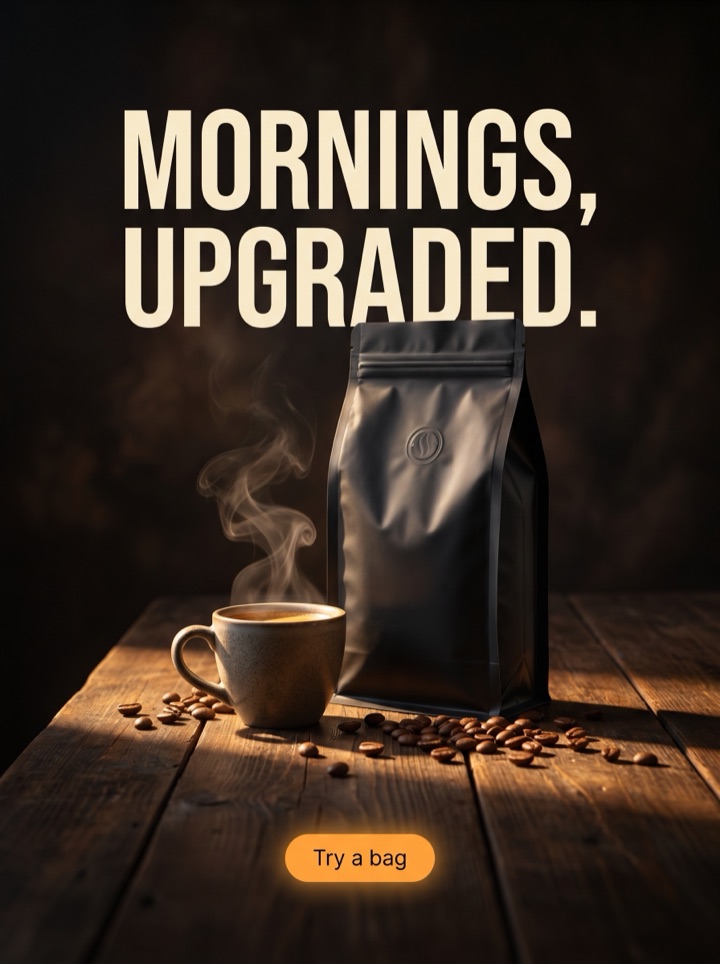
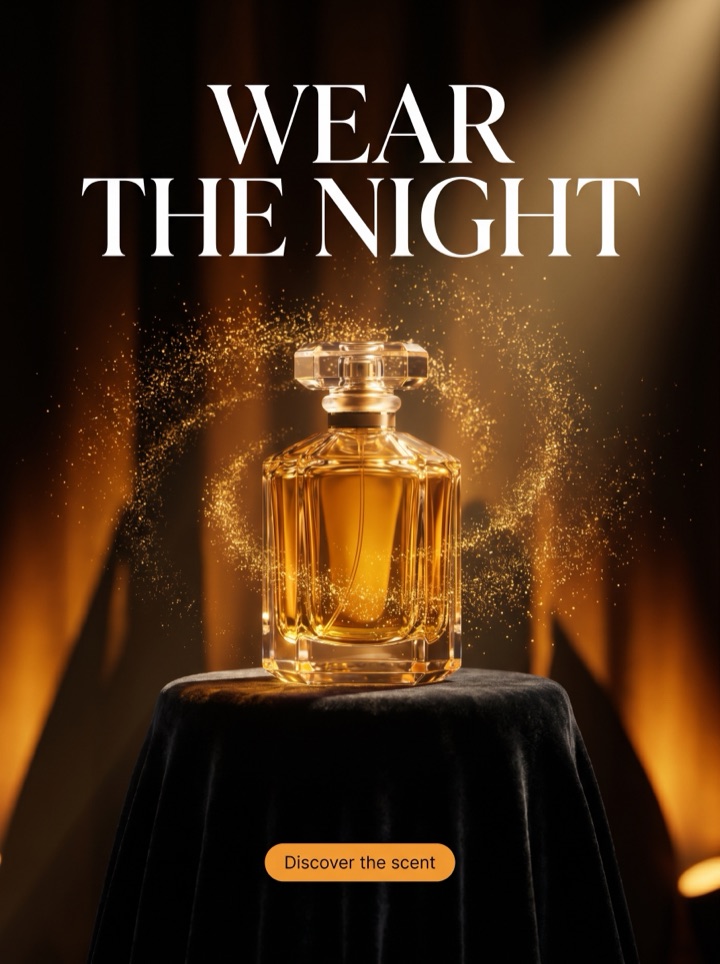
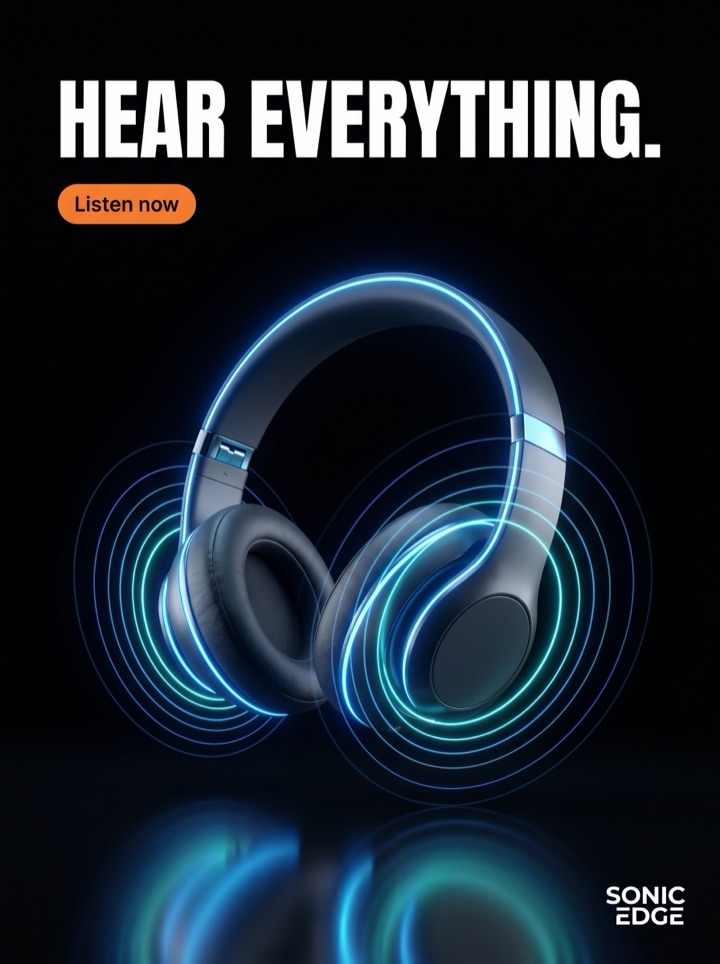
Campaign brief
Beauty ad campaign brief
Beauty is a high-trust, high-return category: shoppers want to know what is in it, whether it works, and whether the shade or scent is right for them. Use these notes to turn a single product photo into an ad that answers those questions fast.
Best use
Reach for the generator when you have a clean shot of the product — bottle, tube, compact, or flacon — and you want to test ingredient, result, and shade angles before you brief a designer or buy a content shoot.
Asset to upload
Use a sharp photo where the texture is visible — the cream's finish, the swatch's undertone, the liquid in the bottle — plus a little negative space for an ingredient or claim line. Beauty buyers zoom in, so detail sells.
First test
Run one ingredient-callout version against one before/after version on the same product. Whichever earns the click tells you whether your audience buys on the formula or on the proof.
Format choice
Export 1:1 square and 4:5 feed first, then 9:16 for Stories and Reels, where a swatch swipe or a single-drop pour reads well full-screen. Add display formats only when the shade still reads tiny.
Copy direction
Use "Shop the routine" or "See your shade" when the buyer already knows the brand. Use "Try it for 30 days" when the product is new and the result needs a lower-risk first step.
Human review
Check every claim against your label and your real reviews. "Reduces the look of fine lines" is fine if your page says it; "removes wrinkles" is a problem Meta and your customers will both catch.
How it works
Build a beauty ad around a real reason to buy.
1
Lead with the hero detail
Pick the photo that shows the thing buyers care about most — the dropper, the swatch, the cream's finish, the bottle silhouette — and let it carry the first impression.
2
Pick the buying reason
Choose the angle that fits this product: a key-ingredient callout, a before/after result, a shade or scent story, a clean-formula claim, or a routine bundle.
3
Preview against the claim
Review view-only previews and gut-check each line against your label. If a claim is softer than the headline, dial the headline back before you pay.
4
Export what you can run
Unlock high-res files once the swatch reads true and the claim holds. Export the square and feed sizes Meta will actually serve.
Examples
Beauty ad examples by angle
Beauty buyers decide on formula, proof, and fit. These are the angles that earn the click across skincare, makeup, haircare, and fragrance — generated as product-first layouts with hooks and CTAs built for paid social.
Field notes
Beauty ad field notes
These notes are specific to selling skincare, makeup, haircare, and fragrance — the human review layer that keeps the ad credible and on-label, not just pretty.
Creative review
- Make the texture legible. Beauty shoppers zoom in on the cream's sheen, the serum in the dropper, or the swatch's undertone — if those go muddy, the ad loses trust before a word is read.
- Show the shade or finish honestly. A swatch that reads warmer or glossier than the real product earns clicks and then returns; match the photo to what ships.
- One claim per ad. Pick the single strongest reason — the ingredient, the result, the review — rather than stacking "hydrating, brightening, anti-aging" until none of them land.
- The safest beauty layout is product first, claim second, CTA third. Move a discount line up only when the promo, not the formula, is the real reason to click.
Placement review
- Check the swatch at phone width before export. A shade row or before/after split that reads on desktop often collapses into mush in a feed thumbnail.
- Build the test as a contrast: one ingredient-led version, one proof/before-after version, one shade-or-scent version. That tells you how this audience actually buys.
- Keep ingredient names spelled and dosed the way your label and PDP do. A "2% retinol" headline over a 0.2% product is the fastest way to lose a customer at checkout.
Export review
- A paid pack is worth unlocking when at least two previews show a genuinely different reason to buy — formula vs. result vs. fit — not the same bottle with a new headline.
- Use the product's real proof — clinical-style "4 weeks" timelines, clean-formula or dermatologist-tested badges, real star ratings — instead of inventing generic trust marks.
- The final export should be boring in a good way: shade true, claim defensible, CTA obvious, and no roadmap-only format (video, HTML5) presented as if it were live.
Sizes and exports
Sizes and exports for beauty ads
The export shape should serve the product story. Static posters are available first; display and HTML5 exports stay clearly labeled as agency or roadmap workflows until enabled.
1:1 square
Best for a single hero — one serum bottle or one lipstick — with the ingredient or shade name balanced beside it.
4:5 feed
The extra height suits a before/after split or a routine of stacked products without cramping the result line.
9:16 story/reels
Full-screen mobile is where a swatch swipe, a single-drop pour, or a scent-note reveal reads best top to bottom.
Facebook feed
Keep the bottle and the claim line large; the feed crops aggressively, so shade and texture need to survive a small thumbnail.
The job here is to help a beauty founder decide what to make next: which product shot leads, whether to test the ingredient or the before/after, which shade to circle, and which size to export. That is why Product AdKit centers the beauty workflow instead of handing you an empty design surface.
Copy examples
Hooks, CTAs, and mistakes for beauty ads.
Headline hooks
- One ingredient. The whole routine, simpler.
- The before they screenshot. The after they buy.
- Your shade is in here — find it in two taps.
- Skincare that does the work while you sleep.
- Clean formula, no compromise on the glow.
- A scent people ask about before they ask your name.
- Dermatologist-tested. Reviewer-approved. Restock-worthy.
- The 30-day step toward skin you stop hiding.
CTA examples
- Find your shade
- Start the 30-day routine
- See the before & after
- Shop the bestseller
- Build my gift set
Common mistakes
- Leading with lifestyle mood and shrinking the product, so the shopper never sees the texture or shade they are buying.
- Shooting a swatch that reads warmer, glossier, or lighter than what actually ships — clicks now, returns later.
- Stacking five benefits ("hydrating, brightening, firming, plumping, smoothing") until none of them carry weight.
- Writing a claim the label can't back — "removes wrinkles," "permanent" — that Meta flags and customers dispute.
- Running the same ingredient angle on a fragrance or the same scent angle on a serum, instead of matching the angle to the sub-category.
Examples
Beauty ad examples by angle
Run this human pass before you turn a preview into a live beauty ad.
1
Does the swatch, finish, or bottle color in the ad match what actually ships to the customer?
2
Can every claim — ingredient percentage, "dermatologist-tested," a result timeline — be backed by your label or PDP?
3
Is there exactly one strongest reason to buy, rather than a pile of competing benefits?
4
Does the texture and shade still read at feed-thumbnail size, not just on desktop?
5
Is the before/after honest — real timeframe, comparable lighting — so it survives a skeptical scroll?
FAQ
Beauty Product ad generator questions
Does this work for skincare, makeup, and fragrance, or just one?
All of them. Upload a serum bottle, a lipstick, a haircare jar, or a perfume flacon and the generator builds beauty ads around the angles that sell that sub-category: ingredient callouts for skincare, shade range for makeup, scent story for fragrance.
Can I show before-and-after results in a beauty ad?
You can build a before/after layout, and you write the claim direction yourself, so only state what your product page and customer photos can actually back up. The generator gives you the frame; you keep the results honest and on-label.
Will the generator keep my product shade and bottle color accurate?
The poster is built around your uploaded photo, so the swatch, undertone, and packaging color come from your image rather than a stock render. Always preview at phone width to confirm the shade still reads before you export.
Can I export beauty ads without a watermark for Meta and Instagram?
Free previews are full-quality and view-only. A paid pack unlocks high-res, no-watermark exports in square, 4:5 feed, and 9:16 story sizes for Facebook and Instagram placements.
Related tools