food product ad generator
Food Product ad generator
Food ads sell on appetite, not adjectives. Upload one photo of your sauce, snack, or pantry product and get a pack of ad posters built around what makes people hungry — texture, pour, crumb — plus the bundle and restock angles that make the ad math work on a $12 jar.
Free previews are full-quality and view-only — enough to judge whether the appetite shots and flavor hooks land. Unlock the $29 pack only when an angle is worth running, for high-res, no-watermark files in every Meta size.
Examples
Food Product ad generator examples
Every example below is a different reason to buy the same food product, drafted from one photo. Appetite carries some of them, the offer carries others — and the spread is the point: you find out whether texture or the bundle deal sells your product before you spend on either.
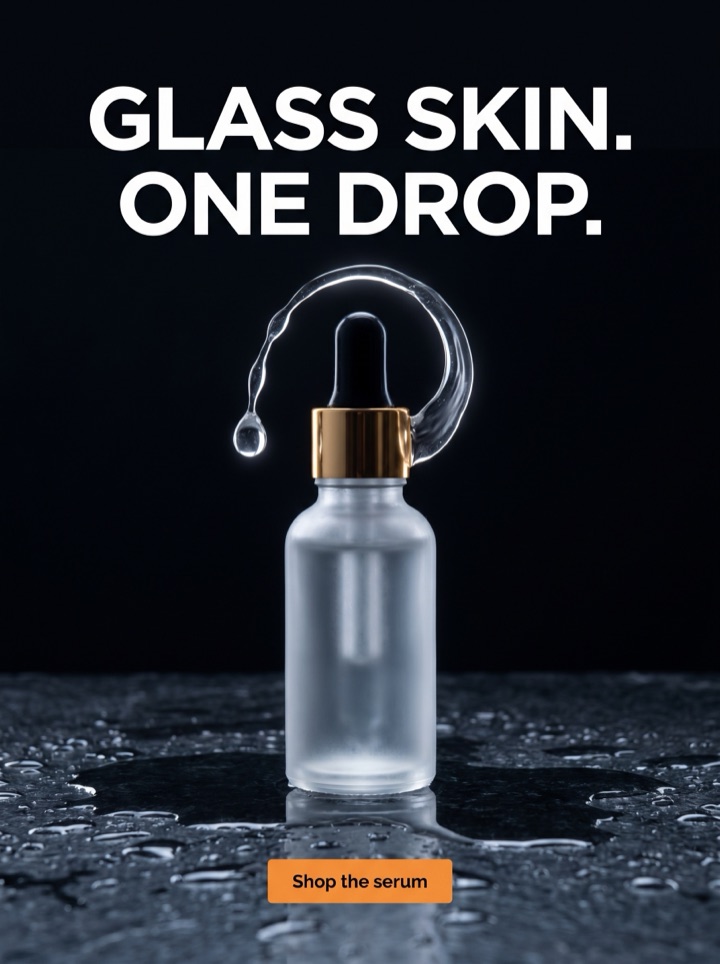

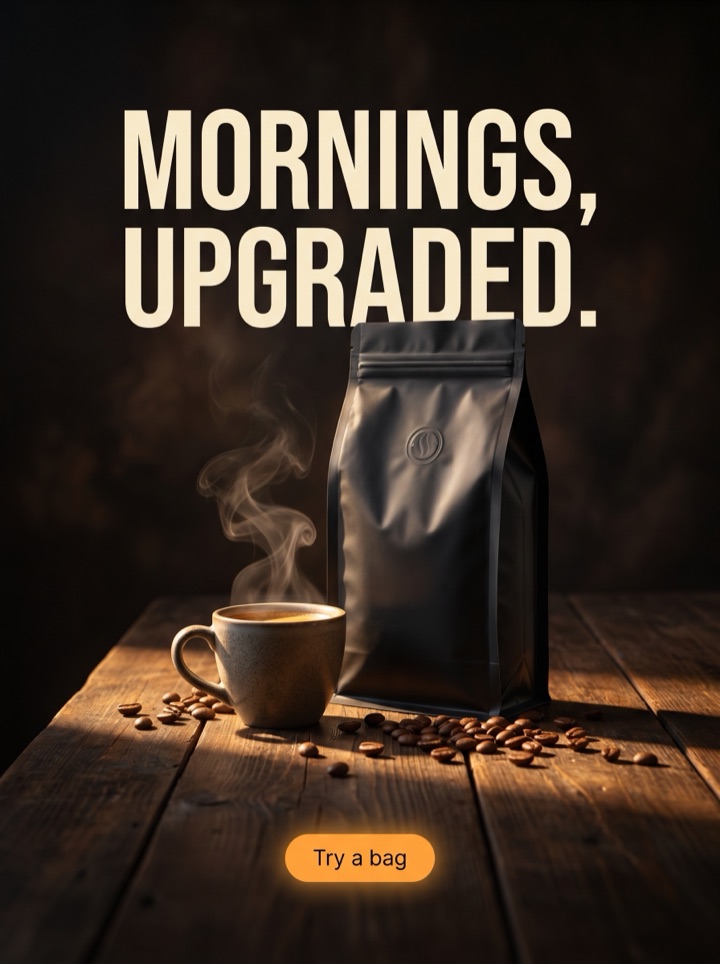

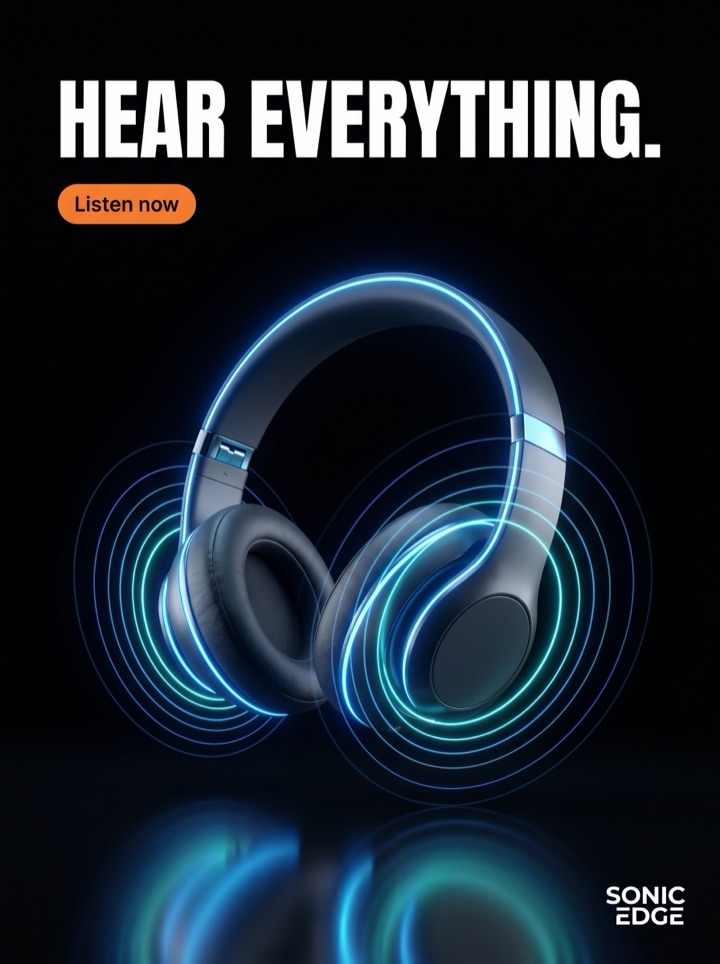
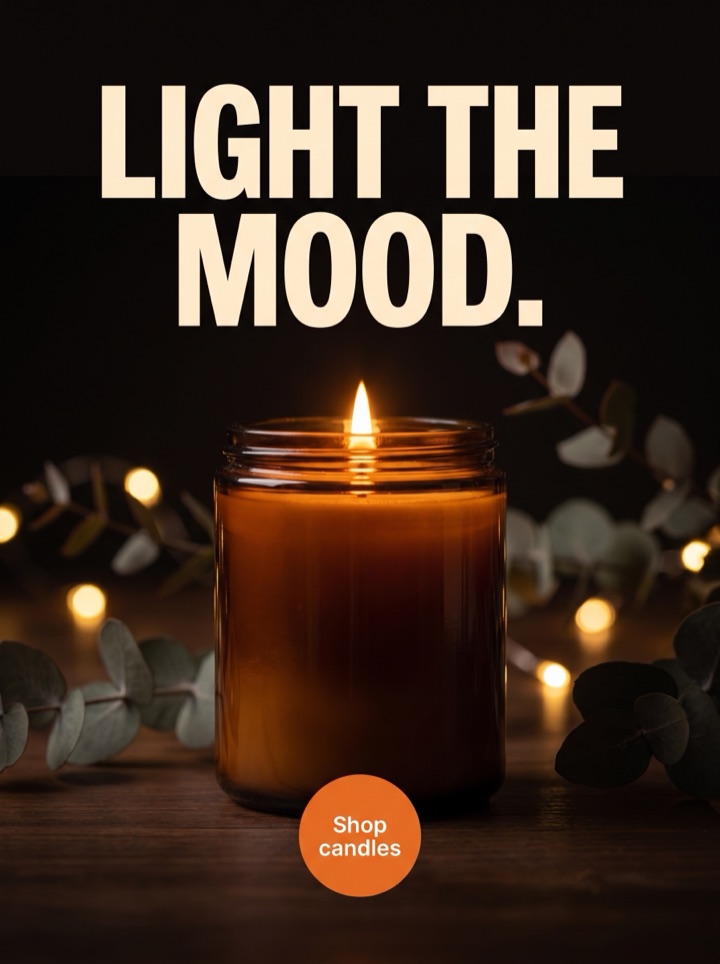
Campaign brief
Food Product Ad Generator campaign brief
A useful food product product ads page should give the visitor a better creative decision than they had before arriving. Use these notes to turn the keyword into a practical ad test.
Best use
Reach for the generator when your product photos look fine but your ads aren't making anyone hungry. It drafts appetite-led layouts — pour, crumb, texture — alongside the offer-led angles, so you can test which one actually moves a food product.
Asset to upload
One sharp photo where the food itself is visible — not just the packaging. A jar with the sauce showing or a snack with the bag open beats a sealed box every time. The generator can only sell texture it can see.
First test
Run an appetite angle against a bundle angle. Food margins are thin, so the bundle test isn't optional — find out early whether your ad math needs a three-pack to survive a paid click.
Format choice
Start with 1:1 and 4:5 for Meta feed, where food ads earn most of their early spend. Add the pin size if your product photographs like a recipe — food travels unusually well on Pinterest.
Copy direction
Steer the pack toward flavor facts and ingredient counts, not wellness language. 'Slow-simmered, seven ingredients' is safe and specific; 'boosts immunity' is a claim that gets food ads flagged and founders in trouble.
Human review
Before exporting, read every headline as a regulator would. Flavor, ingredients, and process are yours to claim; health outcomes are not. If a generated line drifts toward medicine, regenerate it — no ad is worth that letter.
How it works
Build Food Product Ad Generator creative around a real buying reason.
1
Upload the food shot
One photo where the product looks edible, not just shelved. Open packaging, visible texture, or a pour beats a sealed box — it's the single asset every angle in the pack is built from.
2
Get the angle spread
The generator drafts a pack of distinct posters — appetite close-up, ingredient honesty, bundle, restock, premium — each with its own headline and CTA baked into the image.
3
Steer and shortlist
Text is baked in, so you steer up front: set the flavor facts, the offer, and the direction before generating, then keep the appetite shots that actually look appetizing and regenerate winners in that direction.
4
Export the Meta sizes
Unlock high-res, no-watermark files in 1:1, 4:5, 9:16, feed, and pin. Only QA-passed ads spend credits, and a pack that comes back under 12 auto-refunds the difference.
Ad angles included
Ad angles for Food Product ad generator
Food is the rare category where the photo does the persuading — if the ad makes someone hungry, the headline just has to not get in the way. These angles split between appetite (texture, pour, crumb) and economics (bundle, restock, set): test one from each side and let the results tell you which sells your product.
Field notes
Food Product Ad Generator field notes
These field notes are a quick human quality pass before you turn previews into production ads.
Creative review
- The appetite test is brutal and simple: does the generated ad make you want to eat the product? If the answer is 'it looks professional,' regenerate — professional doesn't sell food, hungry does.
- Texture is the proof. A cross-section, a pour, or a crumb shot outsells a sealed-package shot in almost every food test — upload a photo that shows the food, not just the label.
- Flavor facts are your safest strong copy: ingredient counts, origin, process ('slow-simmered,' 'stone-ground'). They're specific, ownable, and they don't trip ad review the way wellness language does.
- Never let a health claim through, even a soft one. 'Boosts immunity,' 'gut-friendly,' 'supports focus' — Meta's review and FDA-adjacent rules both punish these, and the generator doesn't know your legal exposure. You do.
Placement review
- Do the ad math before the creative work: a $12 jar rarely survives a paid CPC alone. If your AOV needs a three-pack or a variety box, make the bundle angle a primary test, not an afterthought.
- The restock angle is food's unfair advantage — pantry products run out on a schedule. An ad that says 'running low?' to past buyers does work a launch ad never will.
- Check the headline against the label. If the generated copy says 'seven ingredients,' your panel had better say seven — food buyers read labels, and the mismatch costs more than the click.
Export review
- Seasonal pegs work hard in food — grilling season, holiday baking, back-to-school lunches. Steer one angle at the season you're entering, not the one you're leaving.
- At phone width, appetite shots survive and busy layouts don't. View every draft small: if the texture isn't legible at feed size, the ad's whole argument is gone.
- The bundle headline should sell the outcome, not the count. 'Stock the pantry' beats '3-pack' — the buyer is solving next month's dinners, not collecting jars.
Sizes and exports
Sizes and exports for Food Product ad generator
For food product product ads, the export shape should support the product story. Static posters are available first; display and HTML5 exports stay clearly labeled as agency or roadmap workflows until enabled.
1:1 square
Use 1:1 square when the food product product ads concept needs a balanced product, hook, and CTA layout.
4:5 feed
Use 4:5 feed when the product in food product product ads needs more vertical room than a square ad but still appears in feed.
9:16 story/reels
Use 9:16 story/reels for full-screen mobile placements where the product and CTA for food product product ads need strong top-to-bottom spacing.
Facebook feed
Use Facebook feed when the product in food product product ads needs more vertical room than a square ad but still appears in feed.
Food Product Ad Generator pages should help a founder decide what to make next: which product image to use, which hook to test, which placement to export, and what should stay locked behind a paid pack. That is why Product AdKit centers the product workflow instead of offering a generic design surface.
Copy examples
Hooks, CTAs, and mistakes for Food Product ad generator.
Headline hooks
- Seven ingredients. You can name all of them.
- Tastes like it simmered all day. It did.
- The jar that empties first.
- Dinner was missing one thing.
- Stock the pantry once. Thank yourself for weeks.
- Three flavors. One box. Better math.
- Running low? You know the one.
- Small batch. Loud flavor.
CTA examples
- Shop Food Product
- Try the Food Product
- See the offer
- Build my ad pack
- Get the bundle
Common mistakes
- Letting a health claim ship — 'boosts immunity' or 'gut-friendly' can get the ad rejected and the brand flagged, when flavor and ingredient facts sell just as hard.
- Uploading a sealed-package photo and expecting appetite ads. The generator can't show a texture the photo doesn't have.
- Running single-jar ads when the unit price can't survive a paid click — test the bundle angle before deciding ads don't work for your product.
- Writing headlines the label can't back. Ingredient counts, origins, and process claims get checked by exactly the buyers you want.
- Skipping the restock angle because it isn't glamorous. For pantry products it's often the cheapest conversion in the account.
Editorial review
Food Product Ad Generator review checklist
Use this food product product ads checklist as a human quality pass before turning previews into production ads.
1
Does the ad make the food look edible at phone width, or just professionally packaged?
2
Is every claim a flavor, ingredient, or process fact the label can back — with zero health language?
3
Have you tested a bundle or set angle so the ad math survives your unit price?
4
Does the headline name something only your product has — an ingredient count, an origin, a process?
5
Are you exporting the Meta sizes you'll actually run — 1:1 and 4:5 first, pin if it photographs like a recipe?
FAQ
Food Product ad generator questions
Can an ad generator really make packaged food look appetizing from one photo?
It can only amplify what the photo shows, which is why the upload matters more in food than in any other category. A photo with visible texture — sauce on a spoon, the snack broken open — gives the generator real appetite material to build layouts around. A sealed box gives it a label. Product AdKit turns one good food photo into a pack of distinct poster angles with the headline and CTA baked in.
What food claims are safe to put in the ad copy?
Flavor, ingredients, origin, and process are safe ground: 'seven ingredients,' 'stone-ground,' 'made in small batches.' Health outcomes are not — lines like 'boosts immunity' or 'supports digestion' risk Meta ad rejection and FDA-adjacent trouble. Steer the generator toward flavor facts up front, and cut any draft that drifts toward medicine before you export.
My product is $12 a jar — can paid ads ever work at that price?
Usually only through order value. That's why the pack includes bundle and set angles alongside the hero shots: a three-pack or pantry box turns a $12 product into an order that can absorb a paid click. Test a bundle angle against a single-jar angle early — the result decides your whole paid strategy, not just the creative.
How much does a pack cost, and what if some ads come back weak?
The free preview is $0 and view-only, no credit card. The $29 Product Pack is 10 ad concepts; $49 covers two products, and $59 adds the Premium 3D treatment. Only QA-passed ads spend credits, and if a pack delivers under 12 passing ads the difference is auto-refunded. A pack takes a few minutes to generate.
Related tools