ecommerce ad generator
Ecommerce ad generator
Built for online stores running across more than one channel. Upload a product photo and get a pack of static ads sized for Meta feed, Stories, and Reels, with hooks and offers tuned to how shoppers actually buy from a store, not a single placement.
Free previews are full-quality and view-only so you can sanity-check how a SKU reads across channels first. Unlock the full pack only when an ad is worth exporting as high-res, no-watermark files for your store's campaigns. Bulk catalog and brand-kit workflows are paid; HTML5 ZIP and video exports are roadmap, not live.
Examples
Ecommerce ad generator examples
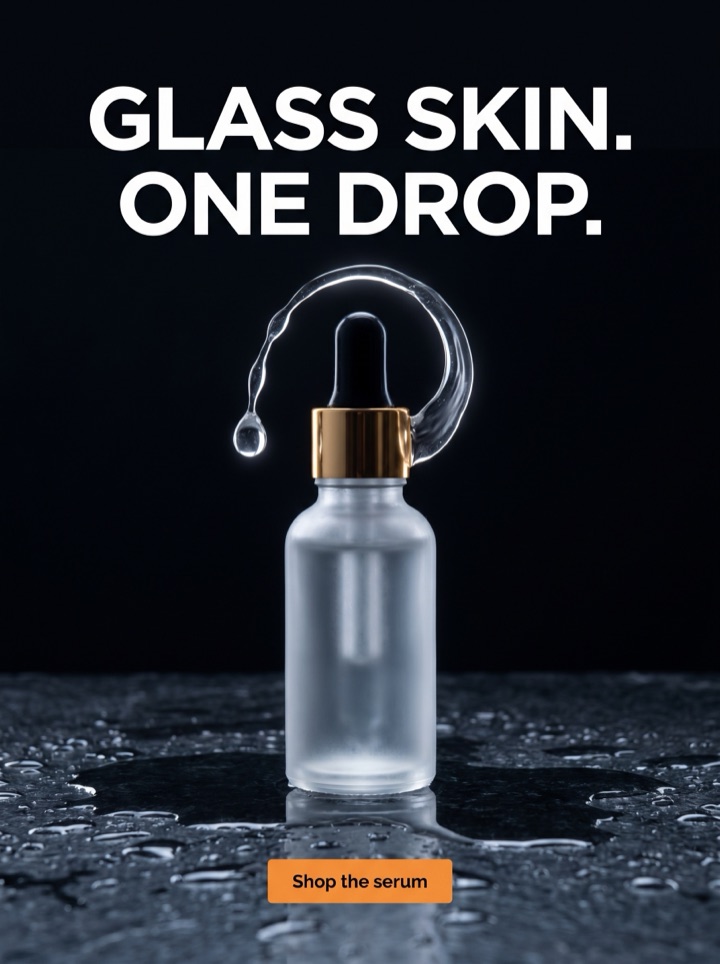
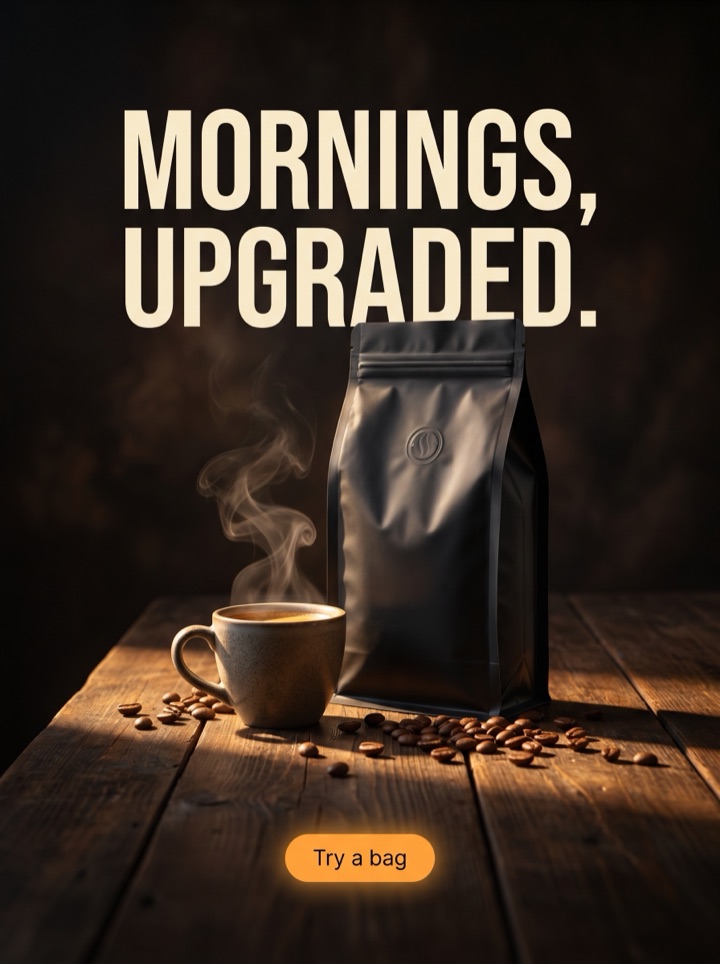
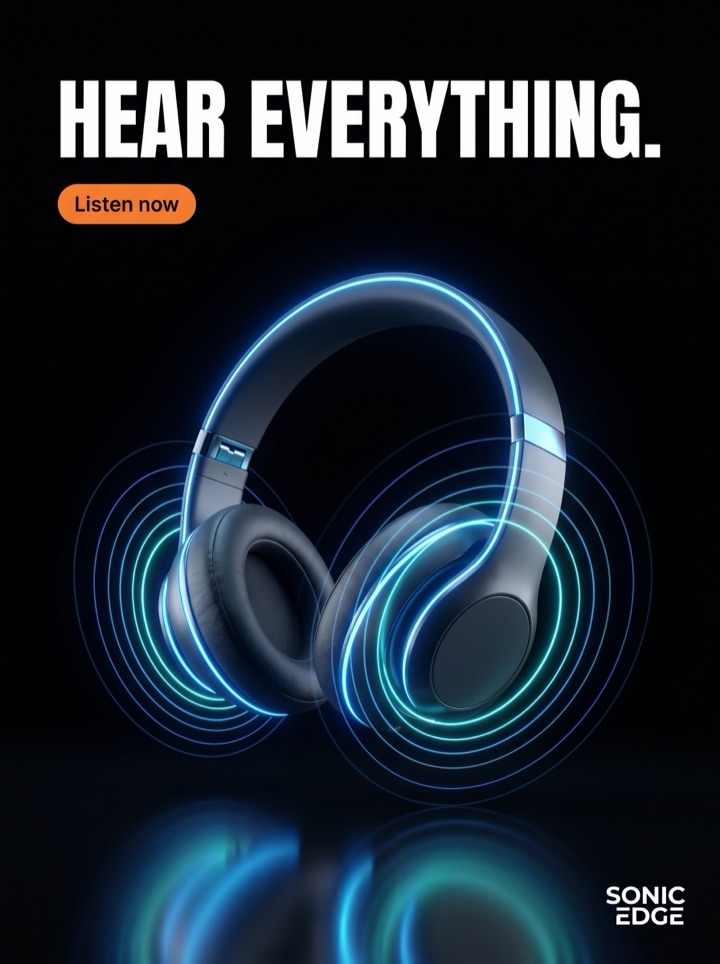
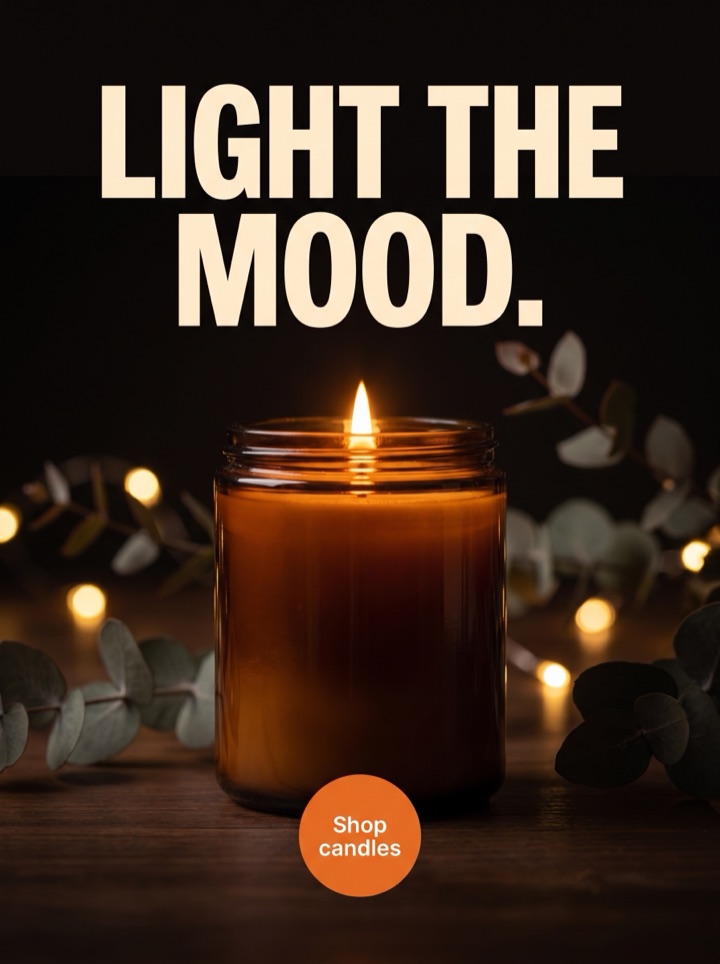
A store rarely needs one ad — it needs a handful of angles for the same product so you can test which buying reason works on which channel. The six below are the patterns ecommerce founders reach for most: a bestseller hero, a sale push, a review-backed proof ad, a launch announcement, a bundle, and a clean catalog-style frame.


Campaign brief
Ecommerce ad generator campaign brief
Most stores aren't launching one campaign — they're keeping a rotation alive across bestsellers, new arrivals, and a recurring sale. Use these notes to decide which SKU and which angle to put in front of which channel first.
Which SKU first
Lead with the product that already converts on your store. A proven bestseller gives the clearest read on whether an ad angle works, before you spend test budget on a slower-moving item.
Photo to upload
Use the same clean, well-lit shot you use on the product page, with room around the product for a headline and price. Consistency between ad and PDP is what keeps the click from bouncing.
First A/B test
Run one offer-led version (sale, bundle) against one proof-led version (reviews, social proof) on the same product. The winner tells you whether your shoppers buy on price or on trust.
Channel order
Export 1:1 and 4:5 for Meta feed first, then 9:16 for Stories and Reels. Add display banner sizes for retargeting once the feed creative has proven it can hold attention.
Catalog consistency
Pick one crop, one type treatment, and one CTA word, then reuse them across products. A store's ads should look like they came from the same shelf, not five different brands.
Honest claims
Only put an offer in the ad that the cart can actually honor. If the headline says free shipping or 20% off, the checkout has to match it, or you burn the click and the trust.
How it works
From product page to ad pack in four steps.
1
Bring in the product
Upload the photo from any store. Use the image your shoppers already recognize from the listing.
2
Pick the buying reason
Choose the angle that matches where the shopper is: sale and urgency for cold reach, reviews and proof for retargeting, launch and bundle for existing customers.
3
Preview across channels
See view-only previews in feed, story, and reels shapes at once, so you know the product still reads before you commit budget or export.
4
Export what earns it
Unlock high-res, no-watermark files only for the angles worth running. Add more SKUs to build out the store's full rotation.
Examples
Ecommerce ad generator examples
Different stages of the funnel need different reasons to click. These are the angles ecommerce stores cycle through across a season — pick the one that fits whether you're reaching new shoppers, retargeting cart abandoners, or rewarding repeat buyers.
Field notes
Ecommerce ad generator field notes
What we've learned watching online stores run these packs — the practical stuff that separates an ad that sells from one that just looks fine in the feed.
Creative review
- Match the angle to the audience temperature. Cold prospecting wants a clear product and one strong reason; retargeting can lean on reviews and an offer because the shopper already knows you.
- Don't lead a cold audience with "back in stock" or a loyalty discount — those land with people who already shopped, and they fall flat on a first impression.
- For a store with a wide range, advertise the SKU that hooks people, not the one with the best margin. The hero product earns the click; the cart does the upsell.
- Keep your ad and product page visually in sync. If the photo, color, or price differs from the PDP, the shopper hesitates exactly when you need them to move.
Placement review
- Check every export at phone width. A discount badge that reads on desktop often shrinks to nothing in the Meta feed, where most ecommerce impressions actually happen.
- Feed and Stories want different framing. A square ad fills the feed; a 9:16 needs the product and CTA spread top-to-bottom or it looks cramped on a full screen.
- Reserve display banner sizes for retargeting warm visitors, not cold reach. They work as a reminder, not as a first introduction to your store.
Export review
- A pack is worth unlocking when two previews show genuinely different buying reasons — sale vs. proof — not the same layout with a swapped headline.
- Let the product do the proof work. Real texture, packaging, ingredients, or size cues beat a generic "premium quality" badge every time.
- Treat HTML5 ZIP and video as roadmap, not live. Static posters for Meta and feed are what you can export and run today — don't promise formats the store can't ship yet.
Sizes and exports
Sizes and exports for online stores
An ecommerce store usually runs the same product across several placements at once. Static posters in these shapes are live today; display banner sizes are an agency workflow, and HTML5 ZIP and video stay on the roadmap until the export pipeline ships.
1:1 square
The workhorse for Meta and Instagram feed. Best when you want a balanced product shot, headline, and price in a shape that travels across nearly every placement.
4:5 feed
Takes up more vertical real estate in the mobile feed than a square, so it tends to win attention. A safe default for prospecting a new product.
9:16 story/reels
Full-screen vertical for Stories and Reels. Give the product the top two-thirds and keep the CTA low so it sits clear of the platform's interface chrome.
Display banner
Static 300x250, 728x90, and 300x600 sizes for retargeting store visitors on the web. An agency workflow — useful as a reminder ad, not a cold first touch.
A blank-canvas tool like Canva assumes you already know the layout, the angle, and the sizes. An ecommerce store running ads across Meta, Stories, and retargeting doesn't have time for that on every SKU. Product AdKit starts from your product photo and hands back a ready-to-test pack, so a one-person store can keep a real ad rotation going without a designer on call.
Copy examples
Hooks, CTAs, and mistakes for store ads.
Headline hooks
- The [product] our customers reorder most.
- Selling fast — [X] left at this price.
- Rated [4.9] by [2,000+] shoppers.
- Free shipping on every order this week.
- Just dropped: the [product] you asked for.
- Buy the set, save [20%].
- Back in stock — and it won't last.
- Why [thousands] of stores switched to [product].
CTA examples
- Shop now
- Add to cart
- Shop the sale
- Get yours
- See reviews
Common mistakes
- Advertising a discount the cart doesn't actually apply, so the shopper feels misled at checkout.
- Using a studio photo in the ad and a different angle on the product page, breaking the visual handoff.
- Running a loyalty or "back in stock" angle to a cold audience that has never heard of the store.
- Pushing your highest-margin item instead of the bestseller that actually earns the first click.
- Treating one square ad as the whole campaign instead of testing two buying reasons against each other.
Examples
Ecommerce ad generator examples
Run each preview through this before it goes live on your store's campaigns. It's the five-minute pass that catches the things that quietly waste ad spend.
1
Does the offer in the ad exactly match what the checkout will apply — price, discount, and shipping?
2
Is the product photo consistent with the product page, so the click lands somewhere familiar?
3
Does the angle suit the audience temperature — proof and offers for warm, simple product for cold?
4
Does the headline and CTA still read at phone size in the actual feed or story placement?
5
Are you exporting only live static formats, with display, HTML5, and video kept as roadmap?
FAQ
Ecommerce ad generator questions
Does the ecommerce ad generator work with my store platform?
It is platform-neutral. Whether you sell on Shopify, WooCommerce, BigCommerce, Squarespace, Etsy, or any other store, you upload a product photo directly. The output is the same multi-channel ad pack regardless of where you sell.
Can I make ads for a whole catalog, not just one SKU?
You work one product at a time, but the workflow is built for catalog rhythm: generate a pack per hero SKU, reuse a consistent crop and offer language across products, and keep your bestsellers and new drops on the same visual system. Bulk and brand-kit workflows that speed this up across many SKUs are paid features.
Which channels can one product photo cover?
One upload produces static ad posters sized for the placements most ecommerce stores run: 1:1 square and 4:5 for Meta feed, 9:16 for Stories and Reels, and Facebook feed. Static display banner sizes are an agency workflow, and HTML5 ZIP and video exports are roadmap, not live.
What does the free ecommerce preview include?
Free users get a few full-quality, view-only preview ads so you can see how a product reads across channels before paying. High-res, no-watermark exports, ZIP downloads, brand kits, and bulk catalog workflows are paid.
Related tools