problem solution ad generator
Problem Solution ad generator
Turn a product photo into problem-solution ad variations that name a buyer's pain first and your product as the fix, for Facebook, Instagram, and paid social testing.
Free problem-solution previews are full-quality and view-only. Unlock the full pack only once the pain-then-fix story reads clearly enough to run, then export high-res, no-watermark files, ZIP download, and Meta sizes.
Examples
Problem Solution ad generator examples
A problem-solution ad earns the click by naming the frustration before it shows the product. The examples below are built as pain-then-fix patterns: each one opens on a specific annoyance the buyer recognizes, then resolves it with the product in frame. They are ad-pack patterns, not stock-gallery filler.
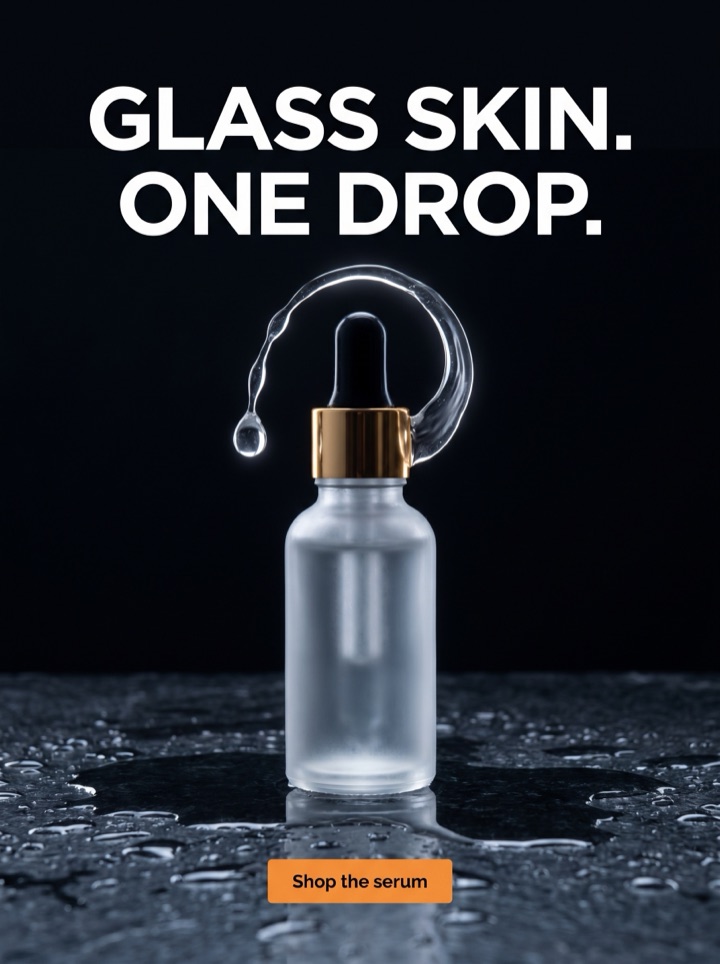

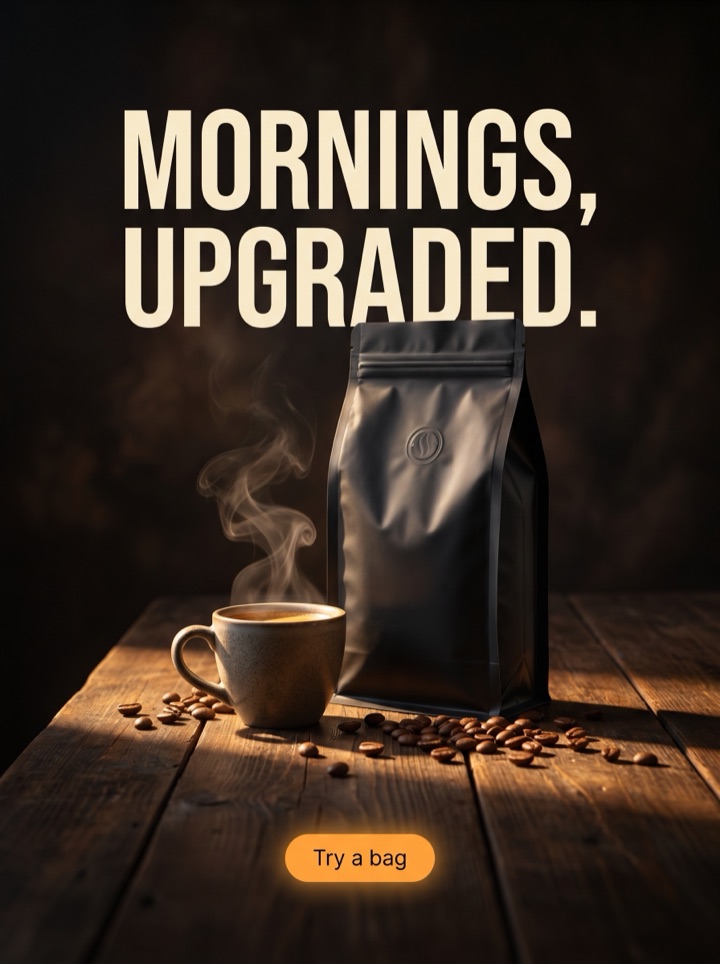

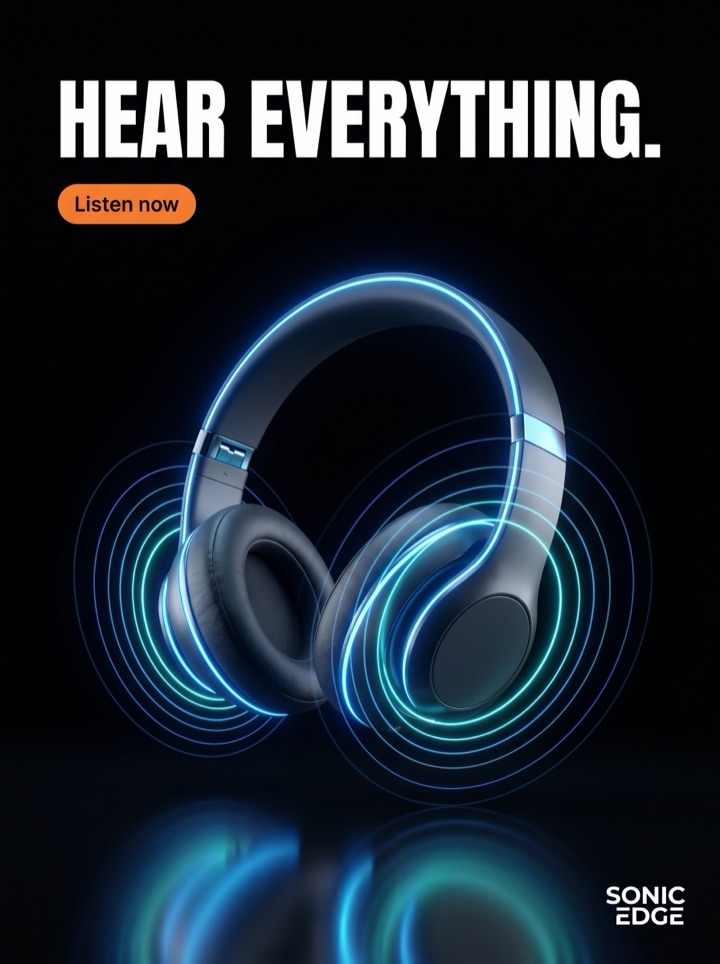

Campaign brief
Problem-solution ad generator campaign brief
The whole job of a problem-solution ad is to make the shopper feel seen before they feel sold to. These notes help you find the real pain, then earn the product as the answer instead of just announcing it.
Find the pain
The angle lives or dies on the opening line. Pick the one frustration your category creates that the buyer would nod at: the thing that runs out, clogs, fades, tangles, or wastes their time. Vague pain reads as a fear pitch; specific pain reads as understanding.
Asset to upload
Use a product photo that can visually read as relief: clean, calm, in-use, or mid-result. The fix half of a problem-solution ad needs an image that looks like the annoyance is already over, so avoid busy or cluttered shots.
First test
Run two pain lines against the same product hero: one that names a functional problem and one that names an emotional one. Keep the fix identical so the preview tells you which frustration your buyer actually feels harder.
Make the turn obvious
Every problem-solution ad needs a visible pivot from pain to fix, whether that is a divider, a split frame, a struck-through list, or a one-word "Until now." Don't let the product just sit next to the problem with no resolution.
Copy direction
Lead the headline with the problem in the buyer's own words, then let the CTA carry the relief. Use "Here's the fix" or "Solve it" when the pain is functional, and "Finally" when the pain is emotional or long-running.
Human review
Read the pain line out loud. If your actual customer would never phrase it that way, rewrite it. A problem-solution ad fails the moment the frustration sounds like marketing instead of something the buyer has said to themselves.
How it works
Build a problem-solution ad around a pain your buyer already feels.
1
Name the problem
Start by writing the frustration, not the feature. Upload the product photo, then let the generator open each preview on the specific annoyance your category creates so the shopper recognizes themselves first.
2
Show the fix
Generate layouts where the product enters as the resolution: a divider, a split frame, or a "before vs after the product" turn. The image should read as relief, not just a hero shot.
3
Preview the turn
Review view-only previews and judge one thing: does the pain land before the product does? If the fix arrives before the problem registers, the angle hasn't earned the click yet.
4
Export what reads
Unlock high-res files only when the pain-then-fix story stays clear at feed size. A problem-solution ad that needs the desktop view to make sense will not survive a phone screen.
Examples
Problem-solution ad generator examples
Problem-solution is the foundation angle: once you've named the pain, most other angles become the proof. Test it on its own, then layer one of these to show the fix is real.
Field notes
Problem-solution ad field notes
These notes are about the one thing this angle gets wrong most often: rushing past the pain. The pain is the whole reason the ad works, so it deserves more attention than the product shot.
Creative review
- Read the opening line as your customer, not as the brand. If it sounds like a slogan ("Say goodbye to bad hair days"), it's too generic; if it sounds like a complaint they've actually muttered, it's working.
- One pain per ad. Stacking three problems in the headline dilutes all of them. Pick the sharpest one and let the other frustrations live in the body or a struck-through list.
- Make sure the pain is something the product genuinely fixes. The fastest way to lose trust is to name a frustration and then resolve it with a vague benefit instead of the actual product feature.
- Avoid shaming the buyer. "Still wasting money on X?" lands worse than "X always runs out at the worst time." Aim the frustration at the situation, not at the person.
Placement review
- The pivot from problem to solution should be visible in under a second. A divider line, a split frame, or a single word like "Until now" tells the eye where relief begins.
- Check the order at phone width. In feed the pain line has to be the first thing read; if the product hero is winning the top of the frame, the angle collapses into a plain product ad.
- Keep three contrast versions in the first test: one with a functional pain, one with an emotional pain, and one that shows the before/after side by side. They fail differently, which is what you want to learn.
Export review
- A paid pack is worth unlocking when at least two previews open on a genuinely different pain, not the same complaint reworded. Different fixes, same product, is the goal.
- Use real product detail as the proof of the fix: the refill, the texture, the seal, the result. Generic "problem solved" badges undercut a problem-solution ad more than they help it.
- The final export should be boring in a good way: the pain is unmistakable, the turn is obvious, the product is the answer, and no roadmap-only format is presented as live.
Sizes and exports
Sizes and exports for problem-solution ads
The export shape decides whether the pain reads before the fix. Vertical formats give the problem line room to land first; square keeps both halves in view at once. Static posters are available first; display and HTML5 exports stay clearly labeled as agency or roadmap workflows until enabled.
1:1 square
Best when the problem and the fix should be seen together, side by side or above and below a divider, so the buyer takes in the whole turn at a glance.
4:5 feed
The workhorse for this angle: the extra height lets the pain headline sit clearly at the top while the product resolution anchors the lower frame.
9:16 story/reels
Strongest for a staged turn. The pain can fill the top of the screen, then the product fix reveals lower down as the thumb moves, giving the problem a beat to register.
Pain-first crop check
Whatever the size, confirm the frustration line is still the first thing read after the placement crops the ad. If the product hero wins the top, recrop before export.
The hard part of a problem-solution ad is not the design, it is naming the frustration in words your buyer would actually use and then earning the product as the fix. Product AdKit drafts that pain-then-fix structure for you across several layouts, so you can pick the version where the problem lands hardest instead of staring at an empty editor.
Copy examples
Hooks, CTAs, and mistakes for problem-solution ads.
Headline hooks
- Still dealing with [the annoying thing]? You don't have to.
- The part nobody warns you about — and the fix.
- You've tried everything except this.
- It keeps happening. Here's why it stops now.
- Tired of [pain]? Read the next line.
- The problem isn't you. It's the [old way].
- One small thing was making it harder than it needed to be.
- Before: [the struggle]. After: [the product].
CTA examples
- Here's the fix
- Solve it for good
- Make the switch
- End the hassle
- Finally fix it
Common mistakes
- Leading with the product instead of the pain, so the ad never gives the buyer a reason to care first.
- Naming a vague, slogan-style frustration nobody actually feels, instead of one specific, recognizable annoyance.
- Skipping the visible turn, so the problem and product just sit beside each other with no moment of relief.
- Resolving the pain with a fuzzy benefit rather than the real product feature that genuinely fixes it.
- Stacking multiple problems in one headline and diluting the single pain the ad should own.
Examples
Problem-solution ad generator examples
Run this pass before turning previews into production ads. Every question is about whether the pain earns the fix.
1
Is the frustration the very first thing read, before the product takes over the frame?
2
Would your real customer recognize the pain as something they've actually thought or said?
3
Is the turn from problem to solution visible at a glance — a divider, split frame, or "until now"?
4
Does the product genuinely fix the named pain, with a real detail standing in as the proof?
5
After the placement crop, does the pain line survive — or did the product hero quietly win the top?
FAQ
Problem Solution ad generator questions
What makes a problem-solution ad different from a regular product ad?
A problem-solution ad leads with the pain, not the product. The first line names the frustration your buyer already feels, and the product enters as the resolution. Product AdKit lays out the tension first and the fix second, so the shopper recognizes their own problem before they see what you sell.
How do I name the customer pain without sounding negative?
Keep the problem specific and lived-in rather than dramatic. Generate a few previews where the headline states a small, true annoyance your category creates, then make the product photo feel like relief. Steer the pain line up front and regenerate until it sounds like your customer talking, not a fear pitch.
Can I use problem-solution ads for Facebook and Instagram?
Yes. Product AdKit focuses first on Meta-ready static posters, including square, feed, story, and reels-style placements. The problem-solution structure reads well in feed because the pain line stops the scroll before the product even has to.
Can I export problem-solution ads without a watermark?
Free problem-solution previews are full-quality and view-only so you can judge whether the pain-then-fix story lands. Paid packs unlock high-res, no-watermark exports and ZIP download when the ad is worth running.
Related tools