toy ad generator
Toy ad generator
Every toy ad sells to two people at once: the kid who wants it and the parent who pays for it. The kid needs the toy to look fun at a glance; the parent needs an age range, a safety standard, and an honest answer about mess and noise. Upload one toy photo and get a pack of angles that work both sides of that negotiation.
Preview the pack free — full-quality, view-only, no credit card — and check that the fun and the fine print both read. The $29 pack unlocks 10 high-res, no-watermark concepts in the Meta sizes; only QA-passed ads spend credits, and under 12 auto-refunds the difference.
Examples
Toy ad generator examples
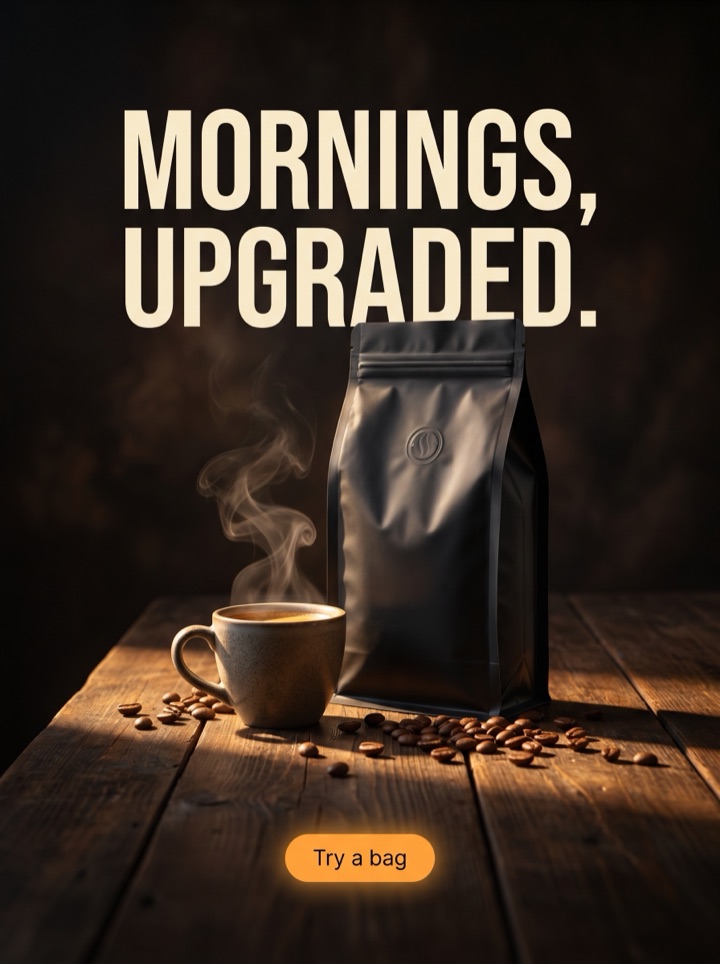
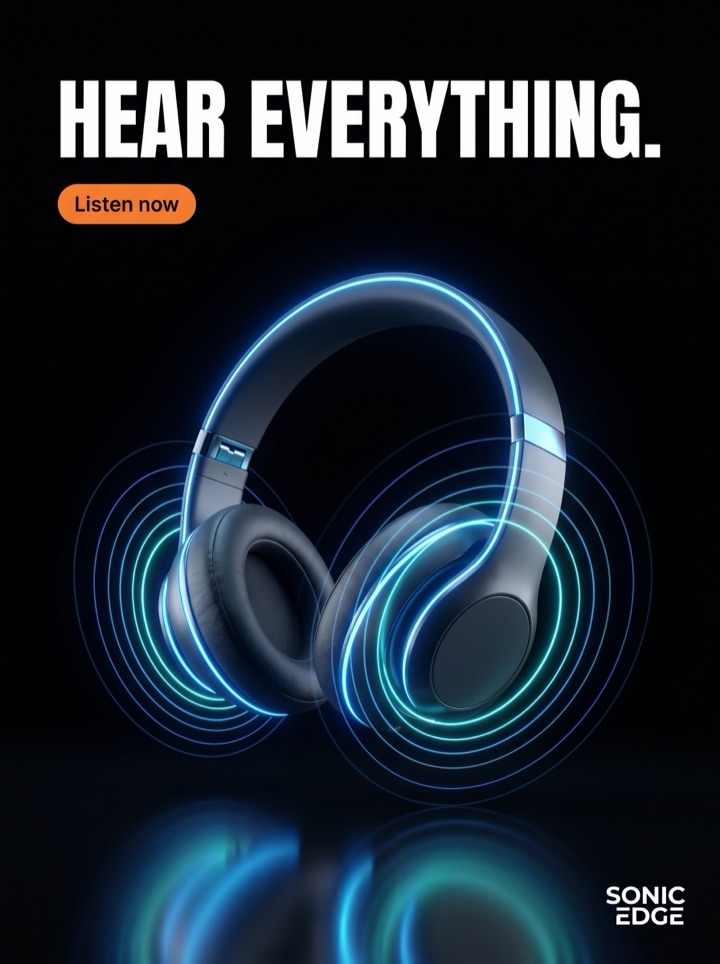
Six angles from one toy photo, each settling the parent-kid negotiation differently. Some lead with the grin factor and tuck the age range in a chip; some lead with 'screen-free' and let the toy be the proof; the gift angle does both, because December buyers are shopping a list, not a feed.




Campaign brief
Toy Ad Generator campaign brief
A useful toy product ads page should give the visitor a better creative decision than they had before arriving. Use these notes to turn the keyword into a practical ad test.
Best use
Strongest before gift seasons, when you need a spread of angles fast: kid-appeal for discovery, parent-proof for the click, gift framing for Q4 and birthday boards. The dual audience means one angle never carries a toy alone.
Asset to upload
One bright, sharp photo where the toy's scale and personality read — mid-play context helps if the frame stays uncluttered. If the toy's size is ambiguous in the photo, that ambiguity will follow you into returns.
First test
Run a kid-appeal angle (toy huge, minimal copy) against a parent-logic angle (age range, safety standard, screen-free line). The winner tells you who actually drives the click in your category — and it's not always who you think.
Format choice
1:1 and 4:5 feed carry the everyday spend. 9:16 story earns its place in gift season for list-shopping parents. Pin is a sleeper for toys: gift guides and birthday boards get saved months ahead of the purchase.
Copy direction
Steer with the age range first — it's the single line that qualifies the click and cuts wasted spend. Then the honest mechanics: screen-free, batteries or not, noise level, mess level. Parents reward candor; 'no glitter' has sold more toys than 'educational'.
Human review
Check the age range against your actual safety labeling — ad copy and box copy must agree. Then gut-check the fun: if the toy doesn't look like fun at a glance, no proof row saves the ad, because the kid vetoes first.
How it works
Build Toy Ad Generator creative around a real buying reason.
1
Upload the toy
One bright photo with scale and personality visible. Every angle in the pack gets built around this shot, so let the toy look like itself at its best.
2
Steer the negotiation
Set the direction up front: kid-appeal, parent-proof, screen-free, or gift. Add the age range and any standard (ASTM, CE) to the steer — text bakes into the poster, so the fine print ships as written.
3
Review both audiences
Previews arrive in a few minutes, view-only. Score each one twice: would a kid point at it, and would a parent click it? Regenerate anything that only works one side.
4
Export the winners
Unlock high-res, no-watermark files in 1:1, 4:5, 9:16, feed, and pin. Only QA-passed ads spend credits; under 12 auto-refunds the difference.
Ad angles included
Ad angles for Toy ad generator
Toys are a two-vote purchase: the kid casts the want, the parent casts the wallet. Ads that only do delight get vetoed at checkout; ads that only do specs never get pointed at. The pack approach exists for exactly this — generate angles for both votes, then test which one your product needs to win first.
Field notes
Toy Ad Generator field notes
These field notes are a quick human quality pass before you turn previews into production ads.
Creative review
- Every toy ad needs a visible age range. 'Ages 4–8' qualifies the click, cuts wasted spend, and is the first thing a gift-buyer scans for.
- Safety standards are parent-proof, not legal boilerplate: an ASTM F963 line or a CE mark in a small badge row does quiet work a headline can't.
- Mess-and-noise honesty converts: 'no glitter, no batteries, no sound module' filters out exactly the buyers who'd return it and wins trust with the rest.
- Screen-free is positioning gold only with specifics: 'an hour of independent play' beats 'screen-free fun' because it names what the parent is actually buying — time.
Placement review
- The kid votes on the image alone — they can't read the headline. If the toy doesn't look fun with the copy covered, regenerate the angle.
- Scale ambiguity is the toy category's silent returns engine. If the poster makes a palm-sized toy look tabletop-sized, the review section will say so.
- Gift seasons compress the funnel: a December buyer is shopping a list with a deadline. Gift angles should name the recipient ('for the kid who builds') and remove decision work.
Export review
- 'Educational' is the most worn word in the category — show the skill instead: 'sorts, stacks, counts' says more and reads honest.
- Collection mechanics ('complete the set') are honest order-value plays for toys with real variants — but lead with one toy's appeal first; nobody starts a collection from a lineup shot.
- Watch the poster's saturation: toy ads need brightness, but blown-out neon reads cheap to parents who are also judging build quality through the screen.
Sizes and exports
Sizes and exports for Toy ad generator
For toy product ads, the export shape should support the product story. Static posters are available first; display and HTML5 exports stay clearly labeled as agency or roadmap workflows until enabled.
1:1 square
Use 1:1 square when the toy product ads concept needs a balanced product, hook, and CTA layout.
4:5 feed
Use 4:5 feed when the product in toy product ads needs more vertical room than a square ad but still appears in feed.
9:16 story/reels
Use 9:16 story/reels for full-screen mobile placements where the product and CTA for toy product ads need strong top-to-bottom spacing.
Facebook feed
Use Facebook feed when the product in toy product ads needs more vertical room than a square ad but still appears in feed.
Toy Ad Generator pages should help a founder decide what to make next: which product image to use, which hook to test, which placement to export, and what should stay locked behind a paid pack. That is why Product AdKit centers the product workflow instead of offering a generic design surface.
Copy examples
Hooks, CTAs, and mistakes for Toy ad generator.
Headline hooks
- An hour of quiet that isn't a screen.
- Ages 4–8. No batteries, no glitter, no 6am sound module.
- ASTM tested. Toddler approved.
- The gift they'll still play with in February.
- Builds towers, sorts colors, survives the stairs.
- For the kid who takes things apart on purpose.
- Screen-free isn't a sacrifice when it looks like this.
- Complete the set before the birthday does.
CTA examples
- Shop Toy
- Try the Toy
- See the offer
- Build my ad pack
- Get the bundle
Common mistakes
- Writing the ad for only one of the two audiences — kid-only gets vetoed at checkout, parent-only never gets pointed at.
- Hiding the age range — the one line that qualifies every click and pre-answers the gift-buyer's first question.
- Pretending the toy is silent and tidy when it isn't — the mess-and-noise truth shows up in reviews either way; better it shows up in your ad first.
- Using 'educational' as the whole pitch instead of naming what the kid actually does with it.
- Letting the poster exaggerate the toy's size — scale surprise is the category's quietest returns driver.
Editorial review
Toy Ad Generator review checklist
Use this toy product ads checklist as a human quality pass before turning previews into production ads.
1
Is the age range visible and identical to your packaging and safety labeling?
2
Does the toy look fun with the copy covered — would a kid point at it?
3
Is there one parent-proof element — standard, material, or mess/noise honesty — in every exported angle?
4
Does the poster show the toy's true scale, not a flattering exaggeration?
5
Do you have a gift-framed angle ready before the next gift season, not during it?
FAQ
Toy ad generator questions
How do I write one ad for both the kid and the parent?
Split the jobs: the image carries the kid's vote (the toy big, bright, and mid-play), and the copy carries the parent's vote (age range, standard, screen-free or mess-honesty line). A pack lets you test which lead wins — a kid-appeal angle with the proof tucked in a chip versus a parent-logic angle with the toy slightly smaller. The click data settles who drives your purchases.
Should safety standards go in the headline?
Usually no — a small badge row (ASTM tested, CE mark) under the product does the work without making the ad read like a compliance document. Promote a standard to the headline only when your buyers are entering the category cold, like first-time gift-givers, where the reassurance is the reason to click.
Can I change the age range after the ads are generated?
No — text is baked into each poster, so set the age range in your steer before generating, and make sure it matches your packaging and safety labeling exactly. If the range needs to change, you regenerate the angle rather than editing it. That constraint is a feature here: it forces the ad and the box to agree.
What does a pack cost, and what's free?
The preview is $0 and view-only, with no credit card required. The $29 Product Pack delivers 10 ad concepts in 1:1, 4:5, 9:16, feed, and pin; $49 covers two products — handy for testing two toys from the same line — and $59 adds Premium 3D. Only QA-passed ads spend credits; under 12 auto-refunds the difference.
Related tools