stationery ad generator
Stationery ad generator
Nobody rebuys a notebook for its cover — they rebuy it for the paper and the layout. Upload one photo and get a pack of ad posters that sell the inside: open spreads, paper-weight proof, the planning system itself, plus the seasonal and 'planner person' angles that drive this category's spikes.
Free previews are full-quality and view-only — enough to judge whether the spread shots and paper angles sell your system. Unlock the $29 pack when they do, for high-res, no-watermark files in every Meta size.
Examples
Stationery ad generator examples
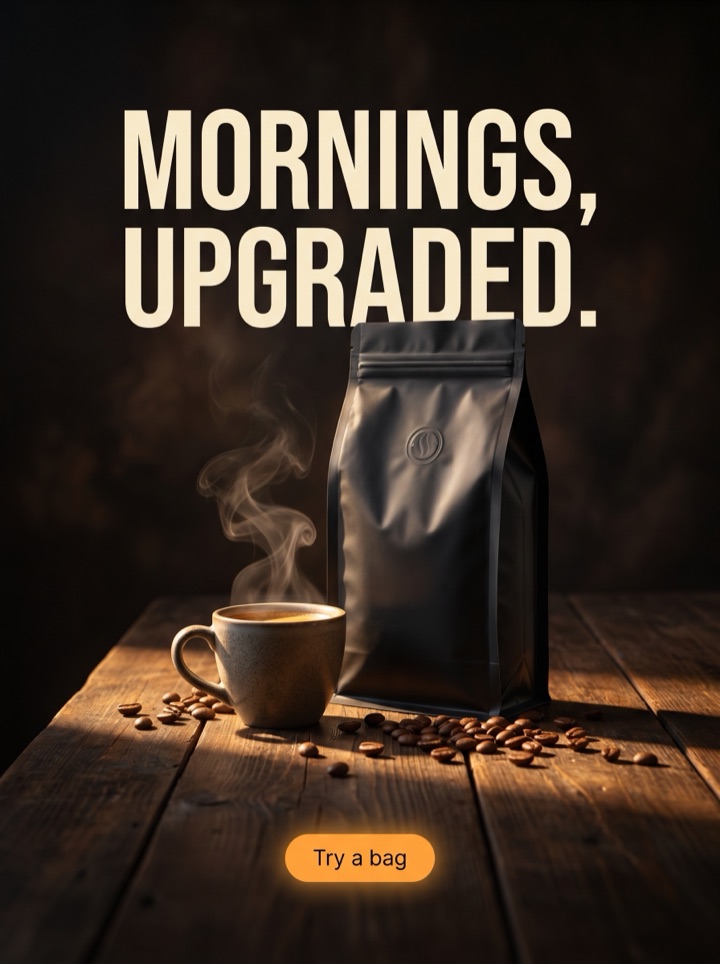
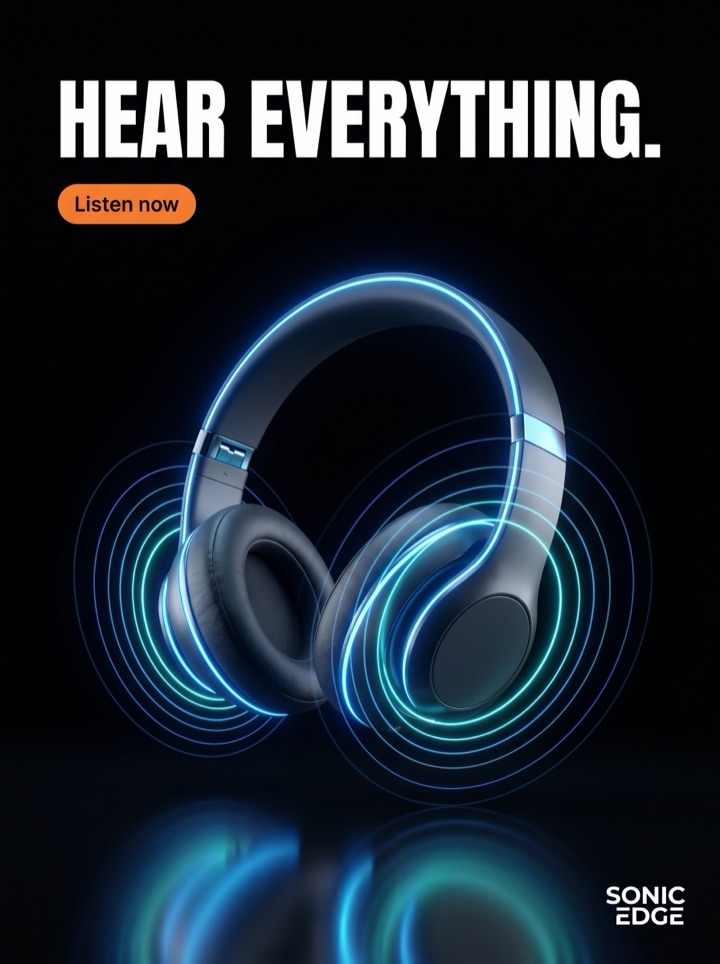
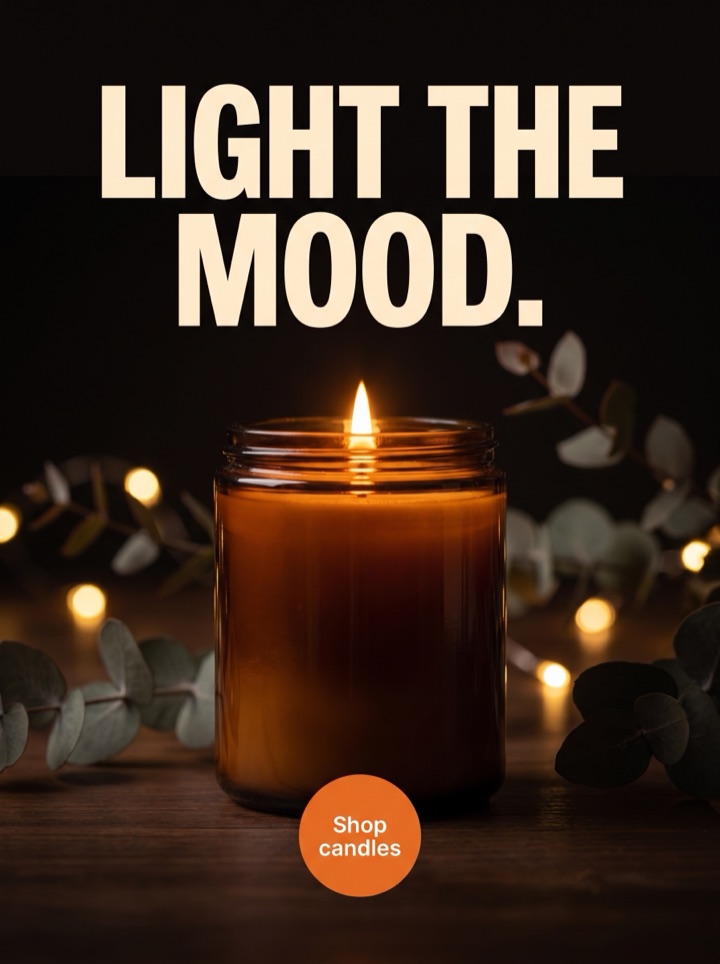
Each example below sells a different reason to buy the same notebook — and notice how rarely the closed cover stars. The inside pages, the paper, the ritual, and the calendar carry stationery; the cover is just the wrapping.



Campaign brief
Stationery Ad Generator campaign brief
A useful stationery product ads page should give the visitor a better creative decision than they had before arriving. Use these notes to turn the keyword into a practical ad test.
Best use
Use the generator when your ads keep showing covers and your conversion shows it. Stationery buyers are buying the inside — the pack drafts spread-first, paper-first, and system-first layouts most shops never photograph.
Asset to upload
A photo of the notebook open to its best spread, shot flat and evenly lit. If the layout system is your selling point, the upload has to show the layout — a closed cover gives the generator nothing to argue with.
First test
Run the open-spread angle against the identity angle. One sells the system, the other sells belonging to the planner tribe — stationery splits cleanly along that line, and your audience will pick a side fast.
Format choice
1:1 and 4:5 for Meta feed, and export the pin size without debate — planner content is core Pinterest territory, and stationery pins compound through every back-to-school and new-year wave.
Copy direction
Steer toward the specifics this audience actually compares: paper weight in gsm, lay-flat binding, dot grid versus ruled, undated versus dated. Vague 'premium quality' copy reads like a cover — and they're not buying the cover.
Human review
Check that any handwriting or page text in the draft is legible and plausible, that the gsm and binding claims match your spec sheet, and that seasonal angles are timed to land before the spike — a planner ad in mid-January is a parade after the rain.
How it works
Build Stationery Ad Generator creative around a real buying reason.
1
Upload the open notebook
Shoot it open to the spread that sells it — the weekly layout, the dot grid, the project pages. That one photo is what every angle in the pack gets built from.
2
Get the inside-first spread
The generator drafts distinct posters around the spread, the paper, the ritual, the season, and the set — each with headline and CTA baked into a finished image.
3
Steer and shortlist
Set the real specs — gsm, binding, dated or undated — and the offer before generating; the text is baked in. Keep the drafts where the page detail reads, regenerate winners in that direction.
4
Export the Meta sizes
Unlock high-res, no-watermark files in 1:1, 4:5, 9:16, feed, and pin. Only QA-passed ads spend credits; a pack under 12 passing auto-refunds the difference.
Ad angles included
Ad angles for Stationery ad generator
Stationery is identity merchandise that pretends to be a utility. The spread shot and the paper proof handle the utility argument; the flat lay and the 'planner person' headline handle the identity one; and the calendar — new year, back-to-school — decides when any of it works. These angles cover all three forces. Test across them, then spend on the one your audience confirms.
Field notes
Stationery Ad Generator field notes
These field notes are a quick human quality pass before you turn previews into production ads.
Creative review
- Lead with the open spread, always. The single highest-information image in stationery is the layout system at full frame — buyers can tell in one glance whether your weekly view matches how their brain works.
- Paper weight is a spec this audience genuinely shops on. State the gsm and show ink on the page; fountain-pen and marker users have been burned before, and the close-up is what convinces them.
- 'Planner person' is an identity before it's a purchase. A headline that says 'for the person with a pen for every mood' will outwork a feature list with the same audience — they're buying membership, not paper.
- The seasonality is extreme and unforgiving: new-year planner demand spikes in late December, back-to-school in August. Export the seasonal angle weeks before the wave — these buyers shop ahead of their fresh start.
Placement review
- Undated is a product feature that doubles as ad insurance: 'starts whenever you do' lets the same creative sell in February and September instead of dying with the calendar.
- Handle the notes-app objection head-on rather than ignoring it. The honest line isn't 'better than your phone' — it's the focus and ritual case: paper doesn't ping, and writing slows thought down on purpose.
- If a draft shows handwriting on the page, zoom in — it has to read as plausible writing at phone width. Garbled pen text in a notebook ad undercuts the exact quality story you're telling.
Export review
- Sets fix stationery's ad math like everywhere else: a $9 notebook can't fund a click, a three-pack or notebook-plus-planner bundle can. Run a set angle in the first test, not after the postmortem.
- Dot grid, ruled, blank, dated, undated — say which one this is in the layout. The category's buyers have a format religion, and an ad that hides the format wastes the click of everyone who practices a different one.
- Lay-flat binding is one of the few hardware claims worth headline space — it's visible in a photo, checkable on delivery, and a known pain for anyone who writes across the gutter.
Sizes and exports
Sizes and exports for Stationery ad generator
For stationery product ads, the export shape should support the product story. Static posters are available first; display and HTML5 exports stay clearly labeled as agency or roadmap workflows until enabled.
1:1 square
Use 1:1 square when the stationery product ads concept needs a balanced product, hook, and CTA layout.
4:5 feed
Use 4:5 feed when the product in stationery product ads needs more vertical room than a square ad but still appears in feed.
9:16 story/reels
Use 9:16 story/reels for full-screen mobile placements where the product and CTA for stationery product ads need strong top-to-bottom spacing.
Facebook feed
Use Facebook feed when the product in stationery product ads needs more vertical room than a square ad but still appears in feed.
Stationery Ad Generator pages should help a founder decide what to make next: which product image to use, which hook to test, which placement to export, and what should stay locked behind a paid pack. That is why Product AdKit centers the product workflow instead of offering a generic design surface.
Copy examples
Hooks, CTAs, and mistakes for Stationery ad generator.
Headline hooks
- The inside is the whole point.
- Paper your fountain pen can finally trust.
- Plan it where notifications can't follow.
- January starts whenever you open it.
- For the person with a pen for every mood.
- Lies flat. Stays put. Gets filled.
- Your brain, but with page numbers.
- Three notebooks. Every project gets its own.
CTA examples
- Shop Stationery
- Try the Stationery
- See the offer
- Build my ad pack
- Get the bundle
Common mistakes
- Advertising the cover when the buyer is purchasing the inside — spread shots outsell cover shots in stationery, and shops keep learning it the slow way.
- Hiding the format. Dot-grid people will not buy ruled, and an ad that doesn't say which one it is wastes half its clicks.
- Missing the seasonal window — launching the new-year planner angle in mid-January, after the fresh-start buyers have already bought.
- Fighting the notes app on its own turf ('faster,' 'smarter') instead of selling focus and ritual, which paper actually wins.
- Letting a draft ship with garbled handwriting on the page — illegible pen text undermines the paper-quality story in the same frame.
Editorial review
Stationery Ad Generator review checklist
Use this stationery product ads checklist as a human quality pass before turning previews into production ads.
1
Does the lead ad show the open spread — the layout system — at full frame?
2
Are the specs this audience compares stated plainly: gsm, format, binding, dated or undated?
3
Is any visible page text or handwriting legible at phone width?
4
Is the seasonal angle scheduled to run before the new-year or back-to-school spike, not during the hangover?
5
Does a set or bundle angle exist so a low-priced notebook can carry the click — with a pin export for Pinterest?
FAQ
Stationery ad generator questions
Why should stationery ads show the inside pages instead of the cover?
Because the inside is what's being bought. The layout system, the paper, the grid — that's the product; the cover is packaging. Product AdKit builds the pack from one photo, so upload the notebook open to its best spread: the generator turns that into spread-hero, paper-proof, and identity layouts, each a finished poster with the headline baked in.
How do I handle the 'I just use my phone' objection in ads?
Don't argue convenience — paper loses that fight. The honest, effective angle is focus and ritual: a notebook doesn't ping, doesn't tab-switch, and slows thinking down on purpose. An ad layout that puts the open notebook beside a face-down phone makes the case visually, and the headline only has to finish the thought.
When should I run new-year and back-to-school angles?
Ahead of the spike, every time. New-year planner buyers shop in late December and the first days of January; back-to-school starts moving in early August. Generate and export the seasonal angle weeks early so it's spending before the wave — and consider an undated angle ('starts whenever you do') that keeps selling between the spikes.
What does a pack cost and how fast is it?
The view-only preview is free with no credit card. $29 buys 10 ad concepts from one photo; $49 covers two products, and $59 adds Premium 3D. A pack takes a few minutes to generate, exports in 1:1, 4:5, 9:16, feed, and pin, and only QA-passed ads spend credits — under 12 and the difference auto-refunds.
Related tools