before after ad generator
Before After ad generator
Turn one product photo into split-frame before/after ads for Facebook, Instagram, and paid social testing — the transformation laid out and labeled, not faked.
Free before after product ads previews are full-quality and view-only. Unlock the full pack only when the ads are worth exporting as high-res files, no-watermark assets, ZIP download, and Meta sizes.
Examples
Before After ad generator examples
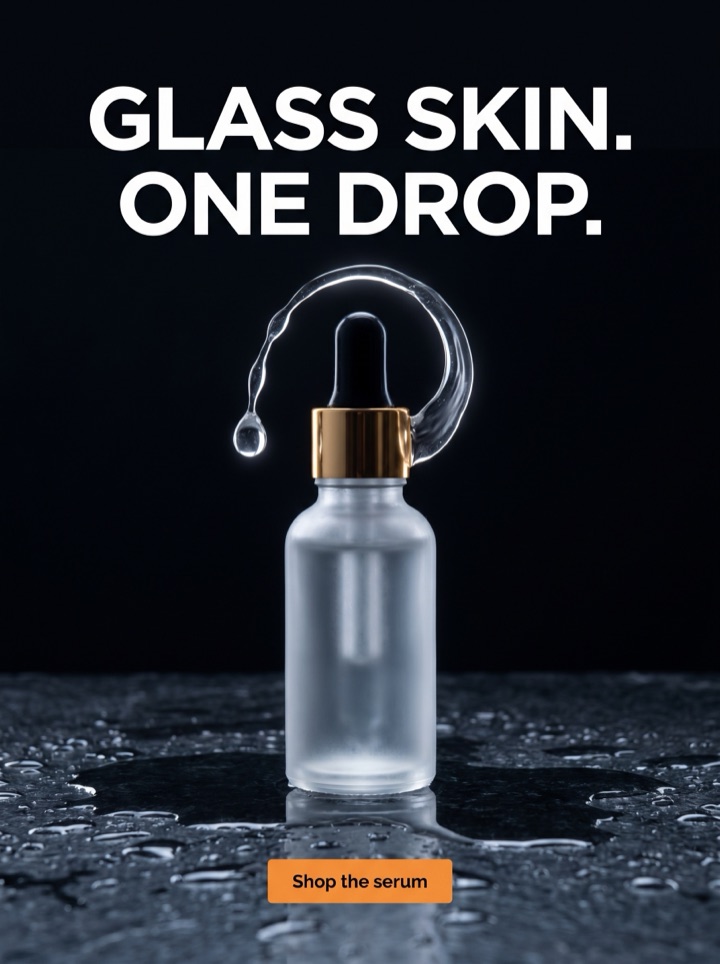
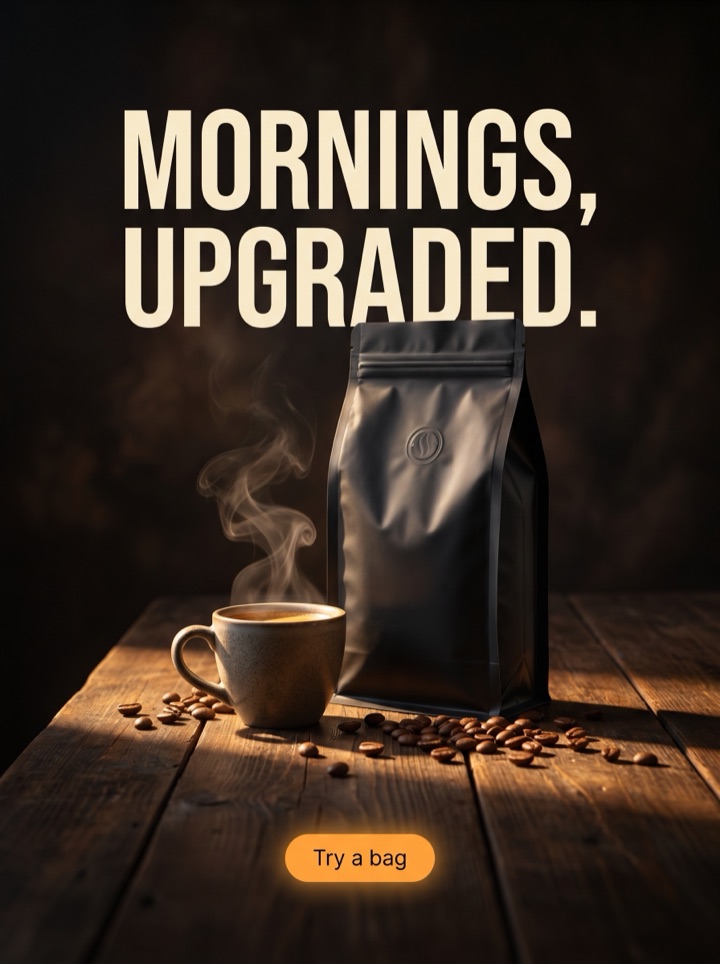
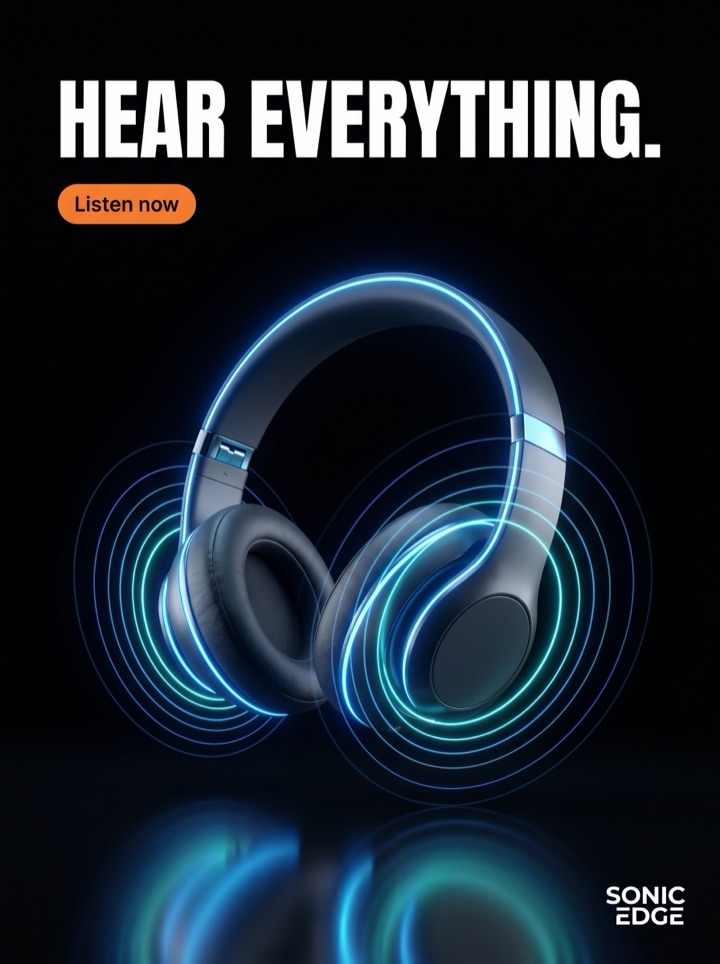
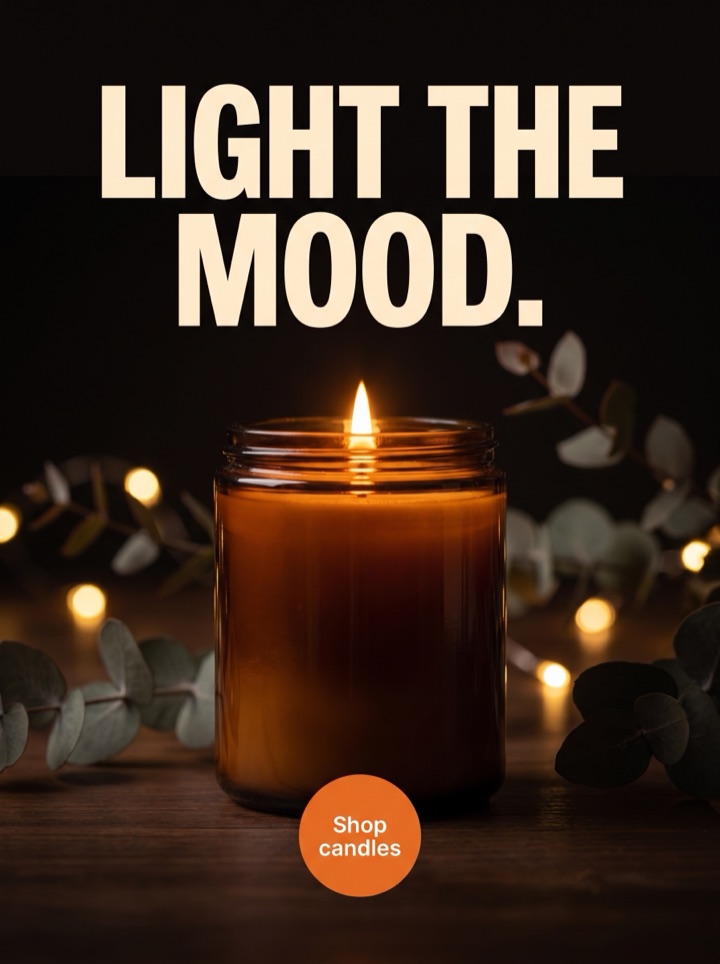
The before/after angle lives or dies on one thing: the two frames have to read as the same scene with only the product's effect changed. The examples below show different ways to stage that comparison — vertical split, side-by-side, slider-style, and result-caption layouts — so the transformation is obvious in the first second.


Campaign brief
Before After Ad Generator campaign brief
A before/after ad is a promise with the receipt attached. The job of this page is to help you stage that promise honestly — pick the right product, the right two frames, and a result you can actually defend. Use these notes to turn the comparison into a test worth running.
Best use
The before/after angle works best for products with a visible outcome — skincare, cleaning, hair, teeth, organization, fitness, repair. If the change can be photographed, the split frame does the selling for you.
Asset to upload
Ideally upload two shots of the same product context with matched lighting and crop. If you only have one photo, AdKit stages a single-product transformation layout and leaves room for an honest result caption rather than inventing a fake "before".
First test
Run a balanced split against an after-weighted layout. The balanced version reads as more honest; the after-weighted version is punchier. Keep the product, lighting, and timeframe label identical so you learn which split converts, not which photo.
Format choice
Export the comparison first as 1:1 square and 4:5 feed. A split frame loses its read fast at small sizes, so check that both states are still distinguishable at phone width before you commit to story or display crops.
Copy direction
Lead with the result, not the discount. "See the result" and "Shop the change" fit this angle; a result caption with a real timeframe ("After 4 weeks") beats a vague superlative every time.
Human review
The one question that protects a before/after ad: could you show this to the customer in the after frame and have them agree it's fair? If the answer is no, soften the claim before you spend a dollar on it.
How it works
Build a before/after ad around a transformation you can prove.
1
Define the two states
Decide what "before" and "after" actually mean for this product — duller vs. brighter, cluttered vs. organized, worn vs. restored. The clearer the contrast, the harder the ad works.
2
Stage the frames
AdKit lays out the comparison — split, side-by-side, slider, or after-weighted — and keeps both frames on a matched grid so the change reads as real, not as two unrelated photos.
3
Caption the result honestly
Add the result line and timeframe you can stand behind. Preview the view-only pack and cut any caption that promises more than the product delivers.
4
Export the version that reads
Unlock high-res files only once both states are still legible at the target placement size — a split frame that blurs together in feed isn't worth running.
Examples
Before After ad generator examples
Before/after is the most demanding static angle to get right — the comparison has to read in a single glance. When you're done staging the transformation, it's worth testing it against neighbouring angles so you know the split frame is actually pulling its weight.
Field notes
Before After Ad Generator field notes
These notes are specific to running the before/after angle — the staging, honesty, and placement traps that don't apply to a plain product poster. They're the human review layer that keeps a transformation ad credible.
Creative review
- Keep the before and after frames in the same lighting, crop, and angle. The moment the camera distance or color temperature shifts, viewers read the change as a trick instead of a result.
- Label the frames. An unlabeled split makes shoppers guess which side is which; a tiny "Before" / "After" tag removes the friction in the first half-second.
- Give the change a timeframe. "After 4 weeks" or "Day 1 vs. Day 30" is more believable than a vague "transformed" and sets the customer's expectation honestly.
- Don't over-edit the after frame. A retouched-looking result reads as fake and undercuts the whole angle — the before/after only works if both shots feel like the same camera.
Placement review
- Test the split at phone width before export. A side-by-side that's clear on desktop can collapse into one muddy image in feed; switch to a stacked layout if the divide stops reading.
- Watch the safe zones in 9:16. A story crop can slice the after frame or bury the result caption behind the UI overlay — keep both states and the caption inside the central band.
- For a slider-style layout, make the divider obvious. A subtle line gets lost at thumbnail size and the two states blur into a single confusing photo.
Export review
- Write the result caption as something you'd say to the customer's face. If you'd hedge it in person, hedge it in the ad — an overpromised before/after invites refunds and disputes, not conversions.
- Use the product's real proof — texture, residue removed, before-shade vs. after-shade — instead of stock "results may vary" badges that signal you're hiding something.
- Unlock the paid pack once both frames are legible, the labels are clear, the timeframe is honest, and the CTA points at the change. A clean, defensible comparison beats a dramatic one you can't back up.
Sizes and exports
Sizes and exports for Before After ad generator
The shape you export changes how the comparison reads. A split frame has limited room, so each size favours a different layout. Static posters are available first; display and HTML5 exports stay clearly labeled as agency or roadmap workflows until enabled.
1:1 square
The safest before/after shape. A square fits a side-by-side or vertical split cleanly with room for the result caption, and it reads the same across feed and grid placements.
4:5 feed
The extra height suits a stacked before-over-after layout, giving each state more room than a square split — strong when the change is most visible top to bottom.
9:16 story/reels
Best for a full-screen vertical before/after: before on the upper half, after below, with the result caption clear of the story UI. Avoid a tight side-by-side here — it gets too narrow to read.
Facebook feed
Keep the divider and both labels high-contrast for Facebook feed, where the comparison competes with a busy timeline and shrinks on smaller phones.
A good before/after ad isn't a design exercise; it's a decision about which transformation to show and how to frame it so a shopper believes it. Product AdKit handles the split layout, the labels, and the matched grid so you spend your time on the one thing that matters: a result you can stand behind.
Copy examples
Hooks, CTAs, and mistakes for before/after ads.
Headline hooks
- Same product. Same lighting. 30 days apart.
- Swipe to see the after.
- The before nobody posts. The after everybody asks about.
- One step. You can see the difference.
- Don't take our word for it — look at both frames.
- Before on the left. After is why you're still reading.
- Results you can photograph, not just promise.
- What [product] did in four weeks.
CTA examples
- See the result
- Shop the change
- Get this result
- Start your before
- Compare for yourself
Common mistakes
- Shooting the before and after with different lighting, crop, or camera distance — the change reads as a trick, not a result.
- Leaving the frames unlabeled, so shoppers can't tell which side is the "after" at a glance.
- Over-retouching the after frame until it looks unreal and kills the credibility the angle depends on.
- Promising a transformation with no timeframe, then watching it draw refund requests instead of conversions.
- Cramming a side-by-side into a 9:16 story until both states are too narrow to read on a phone.
Examples
Before After ad generator examples
Run this pass before you turn a transformation preview into a live ad. It's the honesty-and-legibility gate the before/after angle needs.
1
Do the before and after frames share the same lighting, crop, and angle, so only the product's effect appears to change?
2
Is each frame clearly labeled, and is there a real timeframe on the result rather than a vague "transformed"?
3
Could you show the after frame and its caption to the customer and have them agree it's fair?
4
Are both states still distinguishable at the target placement size, including the 9:16 story safe zone?
5
Does the CTA point at the change ("see the result"), and are roadmap formats like HTML5 or video kept clearly separate from what you can export today?
FAQ
Before After ad generator questions
How does Product AdKit build a before/after ad from one product photo?
Upload one product photo and AdKit lays out the transformation framing for you: a split or stacked frame with a labeled before state, an after state, and a result caption. You supply the real outcome the product delivers, and the layout makes the two states read as one honest comparison.
How do I keep a before/after ad believable instead of looking like a fake claim?
Match lighting, crop, and angle across both frames so only the product's effect changes, and write a caption you could defend to a customer. You set the before/after labels, the result caption, and the timeframe up front — soften an overpromise in the direction and regenerate before you export anything.
Should the before frame or the after frame be larger in the ad?
For most products a balanced split reads as the most honest, but you can weight the after frame larger when the result is the whole reason to click. AdKit gives you both layouts in the preview so you can test which split converts before paying for the pack.
Can I export a before/after ad in Meta sizes without a watermark?
Free before/after previews are full-quality and view-only so you can judge the comparison first. Paid packs unlock high-res, no-watermark exports and ZIP downloads in square, 4:5 feed, and 9:16 story sizes where the split still reads at phone width.
Related tools